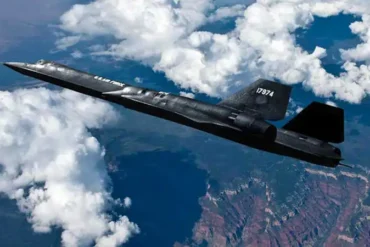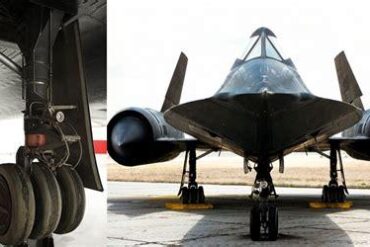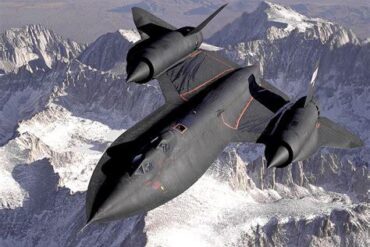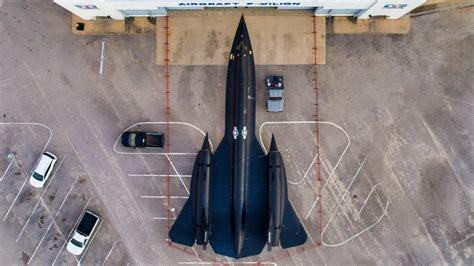
The Lockheed SR-71 Blackbird remains one of the most extraordinary aircraft ever built. More than half a century after its first flight, no direct successor has matched its combination of sustained Mach 3+ speed, operational altitude above 80,000 feet, and elegant survivability through speed rather than weapons. Many aircraft since then have become stealthier, smarter, or cheaper to operate. None have recreated the Blackbird’s airframe philosophy.
That challenge begins with one material: titanium.
The SR-71 was built from roughly 93% titanium by weight, a staggering figure even by modern aerospace standards. It was not a stylistic decision or an engineering flex. It was a necessity. Aluminum would soften under the intense aerodynamic heating caused by sustained flight above Mach 3. Steel was too heavy. Exotic composites of the modern era did not yet exist. Titanium was the only realistic path.
What followed was one of the most ambitious manufacturing efforts in aviation history—a program so difficult, so expensive, and so dependent on vanished skills that recreating it today would be nearly impossible.
The Blackbird was not simply an aircraft. It was a once-in-history industrial miracle.
The Blackbird Flew in a Temperature Range Most Aircraft Never See
At cruising speed, the SR-71 generated immense heat from air friction. During normal operations, parts of the aircraft skin exceeded 600°F, while some areas near engines and leading edges approached 1,000°F or more.
That heat changed everything.
Most conventional aircraft are designed to remain structurally stable in a relatively moderate temperature band. The Blackbird operated in an environment where the airplane itself became hot enough to expand dramatically during flight. The fuselage length could grow by several inches once the aircraft reached speed.
Designing around this meant the airframe could not be rigid in the traditional sense. It had to be built like a living machine—tightening, shifting, and sealing itself only when fully heated.
Titanium made that possible because it combined:
- High strength at elevated temperatures
- Lower weight than steel
- Excellent corrosion resistance
- Better heat tolerance than aluminum alloys
Even today, that combination is rare and expensive.
After paragraph three, the engineering story becomes even stranger.
Titanium Was the Right Choice—and a Manufacturing Nightmare
Titanium has impressive properties, but machinists know a cruel truth: it is notoriously difficult to work with.
It resists cutting, generates heat quickly, wears down tools, and can react unpredictably during fabrication if contaminants are present. During the SR-71 program, Lockheed’s Skunk Works had to invent manufacturing methods as they went.
Large percentages of raw titanium stock were lost while machining finished parts. Reports from former personnel indicate that in many cases, most of the original material was cut away just to create one usable component. Imagine buying premium marble only to turn 80% of it into dust.
That waste was not incompetence. It was the price of pioneering.
Titanium also reacted badly to common shop practices. Even chlorine present in ordinary tap water reportedly caused cracking or embrittlement in some components. Engineers were forced to switch to distilled water during cleaning and processing.
Standard tools created contamination problems. Many had to be replaced with custom-made tooling designed specifically for titanium handling.
This matters because reproducing the Blackbird today would not mean merely owning titanium. It would mean rebuilding an entire specialized industrial ecosystem.
The Supply Chain Was So Secret the CIA Had to Run It
One of the greatest ironies in Cold War history is that the United States sourced significant titanium used for the Blackbird from the Soviet sphere.
America lacked enough readily available domestic supply of suitable ore and refined material at the required scale. So intelligence agencies created shell companies and false commercial fronts to purchase titanium indirectly on world markets.
Some accounts describe fake firms supposedly buying metal for mundane industrial products such as ovens or machinery. In reality, that metal was headed toward one of the most secret aircraft programs on Earth.
The result was astonishing: Soviet-origin titanium helped build the American spy plane designed to outrun Soviet defenses.
Recreating the SR-71 today would require more than money. It would require:
- Massive high-grade titanium procurement
- Specialized refinement pathways
- Security-cleared fabrication networks
- Tight quality control for aerospace-grade consistency
Modern supply chains are powerful, but they are also lean, outsourced, and cost-driven. The Blackbird program was almost the opposite: expensive, redundant, secretive, and politically protected.
The Airframe Was Designed to Leak Fuel on Purpose
Few aircraft stories sound more absurdly brilliant than this one: the SR-71 leaked fuel on the ground because that was the correct engineering solution.
Since the titanium structure expanded significantly in flight, tightly sealed tanks on the runway would become dangerously stressed at speed. Engineers instead allowed gaps and tolerances that only closed once the aircraft heated up.
So when parked or taxiing, fuel seepage was common.
This was manageable because the aircraft used JP-7, a highly specialized fuel with a very high flash point. It was far less volatile than standard jet fuel, reducing the danger of fire despite leaks.
Once airborne and accelerated, the Blackbird’s skin heated, panels expanded, gaps narrowed, and the tanks sealed far better.
That means the aircraft’s structure, fuel system, and thermal behavior were all integrated into one design philosophy. You cannot casually copy one part of the SR-71. Every system depended on the others.
Even the Engines Were Part of the Airframe Puzzle
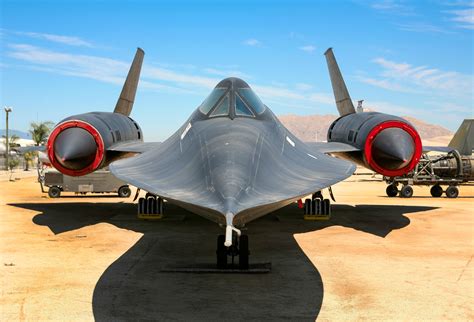
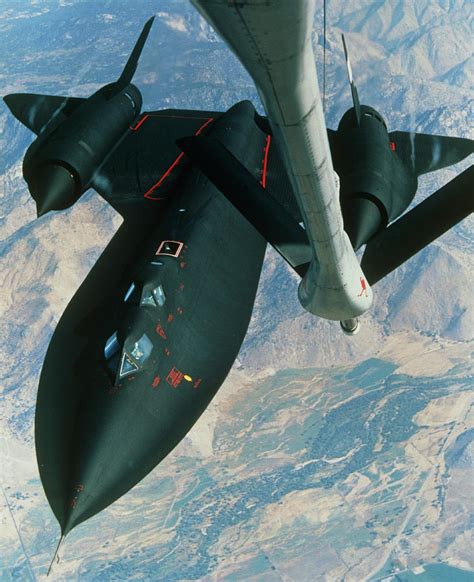
The Pratt & Whitney J58 engines were not ordinary turbojets. At high speed, they behaved increasingly like ramjets, with airflow bypassing portions of the core. The aircraft became more efficient at extreme speed than many jets are at lower speed.
To make that happen, the Blackbird used movable inlet spikes that shifted position during flight to manage shockwaves and slow incoming supersonic air before it reached engine compressors.
This matters because the airframe and engines were inseparable systems.
The nacelles, chines, inlets, and fuselage all influenced airflow. Thermal expansion altered tolerances. High-speed pressure effects changed engine behavior. If one component drifted outside spec, performance suffered or worse.
Modern engineers could certainly build a fast aircraft. But building that exact symphony of materials, heat, aerodynamics, and propulsion would still be a formidable challenge.
The Tools to Build It Were Destroyed
Here is where the replication problem becomes brutal.
Much of the tooling used to manufacture the Blackbird—special dies, molds, jigs, templates, and assembly fixtures—was reportedly destroyed under government orders during the program era.
At first glance, that sounds dramatic. In reality, it was devastating.
Aircraft blueprints describe dimensions. Tooling captures how those dimensions are achieved repeatedly in the real world. Anyone who has built complex hardware knows the drawing is not the factory.
The SR-71 required unique methods for bending, drilling, fastening, aligning, and assembling titanium structures. Without those physical references, decades of manufacturing knowledge vanished.
Many of the people who solved these problems also retired or passed away. Their undocumented instincts, shop-floor corrections, and practical workarounds disappeared with them.
That kind of lost expertise is harder to replace than metal.
Modern Technology Still Doesn’t Make It Easy
It is tempting to assume modern CNC machines, additive manufacturing, and advanced composites would make a Blackbird clone simple. They help—but they do not erase the challenge.
Today’s aerospace priorities differ sharply from the 1960s:
- Efficiency over raw speed
- Stealth over visible altitude dominance
- Lower lifecycle cost over heroic maintenance burden
- Satellites and drones over crewed strategic reconnaissance
Could modern industry build a titanium Mach 3 aircraft? Probably, with enough funding.
Would it replicate the original SR-71 airframe exactly? Very unlikely.
Modern engineers would redesign it using newer alloys, composites, digital manufacturing, and contemporary mission needs. That would create a new aircraft inspired by the Blackbird, not a true reproduction.
And that distinction matters.
The Real Secret Was Timing
The SR-71 emerged from a rare moment when political urgency, unlimited strategic value, elite engineering talent, and national resources aligned.
The Cold War created an environment where spending billions to fly faster than missiles made strategic sense. Risk tolerance was higher. Secrecy was intense. Failure was acceptable if success changed the balance of power.
Programs like that are rare today.
The Blackbird was born when America was willing to do something outrageously difficult simply because it needed to be done first.
That mindset cannot be machined from titanium.
Why the SR-71’s Titanium Airframe Will Remain Unique
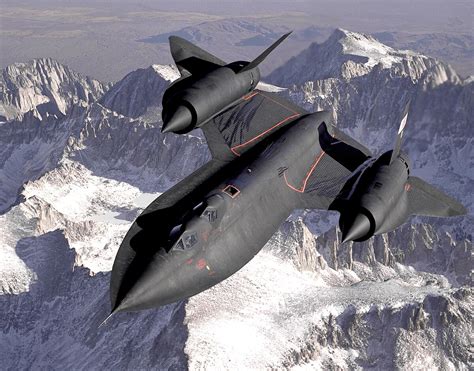
The SR-71 Blackbird’s titanium airframe is nearly impossible to replicate not because titanium no longer exists, but because the original program combined factors that no longer coexist:
- Specialized Cold War urgency
- Vast secret funding
- Custom-built industrial processes
- Exotic materials at scale
- Handcrafted manufacturing knowledge
- Integrated heat-speed-fuel-engine design logic
Many aircraft since then are more advanced in electronics and stealth. But none required an airframe that had to expand into shape while crossing continents at Mach 3.
That is why the Blackbird still commands awe.
It was not just fast. It was built from problems most nations would refuse to solve.
Final Thoughts
The SR-71 Blackbird remains a reminder that some machines are products of more than engineering. They are products of era, necessity, talent, and national obsession.
Its titanium airframe represented the edge of what was physically and industrially possible. Rebuilding it now would demand money, expertise, and political will on a scale few programs could justify.
So while modern aerospace can surpass the Blackbird in many categories, reproducing the SR-71 itself would be like reconstructing a lost cathedral using vanished tools and forgotten methods.
Possible in theory.
Nearly impossible in reality.