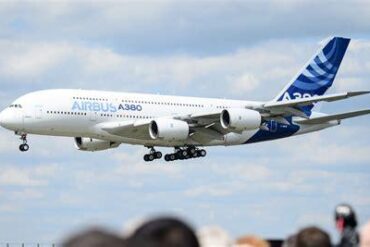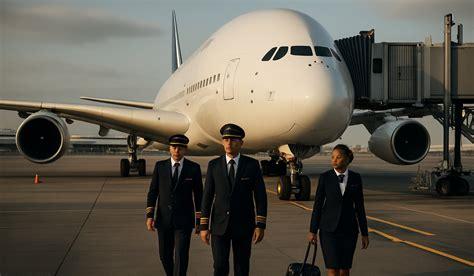
The Airbus A380 was once considered a symbol of aviation’s next great era. When Airbus introduced the world’s largest passenger aircraft, the vision was clear: airlines would increasingly rely on massive hub airports, and the demand for ultra-high-capacity aircraft would continue growing. The superjumbo was designed to move hundreds of passengers between the world’s busiest international gateways while offering an unmatched level of space and comfort.
However, the aviation industry moved in a different direction. Instead of concentrating passengers through a small number of mega-hubs, airlines increasingly embraced long-range twin-engine aircraft capable of connecting smaller cities directly. Aircraft such as the Boeing 787 Dreamliner, Airbus A350, and future Boeing 777X changed the economics of long-haul flying.
When Airbus ended A380 production in 2021, many industry observers expected the aircraft to gradually disappear. The final aircraft delivered to Emirates in December 2021 seemed like the closing chapter of a costly and ambitious experiment.
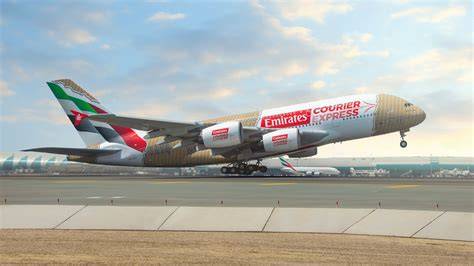
Yet several years later, the story has changed dramatically. The Airbus A380 is experiencing an unexpected second life, becoming one of the most surprising success stories in modern commercial aviation. Instead of being remembered only as an aircraft that arrived too early, the A380 has become a valuable specialist aircraft for airlines facing capacity shortages, airport congestion, and growing demand for premium travel.
Around 190 A380 aircraft remain in commercial service, representing a remarkable percentage of the total fleet ever built. Airlines are not simply keeping these aircraft flying temporarily; many are investing heavily in cabin upgrades, refurbishment programs, and long-term fleet plans. The superjumbo may no longer dominate the industry as Airbus originally imagined, but it has discovered a profitable niche that no other passenger aircraft can completely replace.
The Aircraft Shortage That Changed The A380’s Future
When Airbus announced the end of A380 production, airline planners expected the aircraft to gradually be replaced by newer and more efficient widebody jets. The Boeing 777X was expected to become the next-generation flagship aircraft for many long-haul operators, while the A350 family and 787 Dreamliner continued expanding across global fleets.
The traditional fleet replacement cycle depends on predictable aircraft deliveries. Airlines normally retire older aircraft when new models arrive, allowing them to improve fuel efficiency, reduce maintenance costs, and modernize passenger experiences.
However, the aviation industry has faced an unexpected challenge. New aircraft deliveries have been delayed by production constraints, supply chain problems, engine shortages, and manufacturing limitations. The Boeing 777X program has experienced significant delays, while both Airbus and Boeing continue managing historically large commercial aircraft backlogs.
Airlines that expected to replace older aircraft quickly have instead found themselves operating in a difficult environment. Demand for international travel has recovered strongly, but new aircraft are not arriving quickly enough to meet capacity requirements.
This situation has completely changed how airlines view the A380. Aircraft that were once considered expensive and outdated have become valuable assets because replacing them is no longer as simple as ordering a new jet.
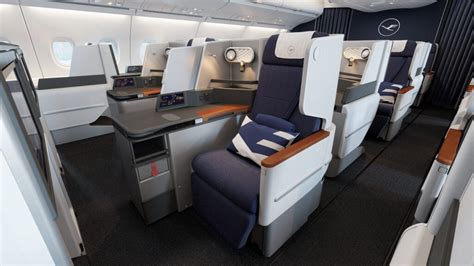
A perfect example is Lufthansa. During the pandemic, Lufthansa stored its A380 fleet and suggested that the aircraft might never return. However, changing market conditions forced the airline to reconsider. The carrier not only returned the A380 to service but also began investing in modern cabin upgrades.
The aircraft that once appeared destined for early retirement became a solution to a very practical problem: airlines needed capacity, but replacement aircraft were unavailable.
Why Airport Congestion Is Bringing Back The Superjumbo
The original concept behind the A380 was based on a simple idea: the world’s busiest airports would eventually run out of space, and airlines would need larger aircraft to carry more passengers through limited airport slots.
For many years, critics argued that Airbus had misunderstood the market. Airlines preferred operating multiple smaller aircraft rather than relying on one enormous aircraft. Smaller jets provided scheduling flexibility, allowing carriers to offer more departure times throughout the day.
However, airport congestion has become a serious challenge again. Major international hubs such as London Heathrow, Dubai International, Singapore Changi, and Hong Kong International face significant capacity limitations. Expanding airports is often politically difficult, expensive, or impossible due to surrounding urban development.
In this environment, the A380 has regained one of its greatest advantages: maximum passenger capacity from a single airport slot.
Depending on airline configuration, the aircraft typically carries between 450 and 520 passengers, while some high-density layouts can exceed 600 seats. By comparison, many Boeing 777-300ER aircraft carry approximately 350 to 390 passengers, and Airbus A350-1000 configurations usually range between 350 and 410 seats.
The A380’s advantage is not simply size. It is efficiency in situations where airport capacity is limited. If an airline cannot add another departure because there are no available slots, adding hundreds of extra seats to an existing flight can create significant financial value.
For busy routes where demand consistently exceeds available capacity, replacing a smaller aircraft with an A380 can generate more revenue without increasing the number of flights.
This explains why some airlines continue operating the A380 on high-demand routes despite newer aircraft offering better fuel efficiency. The question is no longer whether the A380 is the most efficient aircraft in every situation. Instead, the question is whether any other aircraft can deliver the same passenger volume under specific operational conditions.
Premium Travel Has Created A New Business Case For The Airbus A380
Another major factor behind the A380’s revival is the changing economics of airline cabins. Modern airlines increasingly depend on premium passengers for profitability. Business class, first class, and premium economy seats generate significantly higher revenue compared with standard economy seating.
The A380 provides something smaller aircraft cannot easily replicate: enormous interior space.
The aircraft features approximately 5,920 square feet (550 square meters) of cabin floor area across two complete passenger decks. This allows airlines to create premium experiences while still maintaining substantial economy capacity.
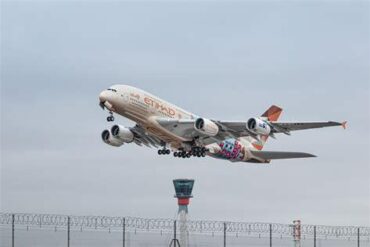
The aircraft’s size has allowed airlines to introduce unique products that have become part of their brand identity. Etihad Airways famously introduced The Residence, a private three-room suite featuring a living room, bedroom, and private bathroom on selected A380 aircraft.
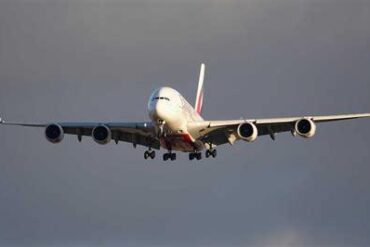
Emirates transformed the A380 into a flagship product with private first-class suites, onboard showers, premium lounges, and spacious cabin layouts.
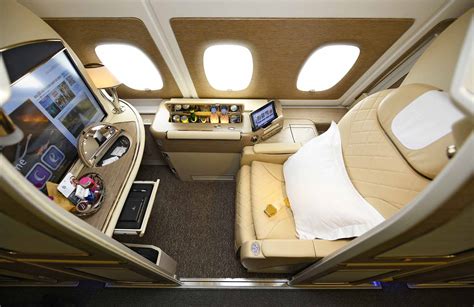
Passenger perception also benefits the A380. Many travelers actively choose flights operated by the superjumbo because of its reputation for comfort. The aircraft offers a quieter environment, especially on the upper deck, where passengers are physically separated from the engines and experience less cabin noise.
This emotional value is difficult to measure financially, but airlines understand that aircraft choice can influence customer loyalty. The A380 is not merely transportation; for many passengers, it has become part of the travel experience itself.
Airlines Are Spending Billions To Keep A380 Fleets Flying
Perhaps the strongest evidence of the A380’s unexpected comeback is the amount of money airlines are investing in aircraft that were once expected to disappear.
The clearest example is Emirates, the world’s largest A380 operator. The airline has committed billions of dollars to a major fleet refurbishment program covering both its A380 and Boeing 777 aircraft.
The program includes upgraded interiors, redesigned cabins, expanded premium economy seating, refreshed business class areas, and improvements to first-class suites. Emirates expects more than 100 A380 aircraft to remain active through the second half of the decade.
Airlines generally do not spend tens of millions of dollars modernizing aircraft that they plan to retire shortly afterward. These investments demonstrate confidence that the A380 still has years of commercial value.
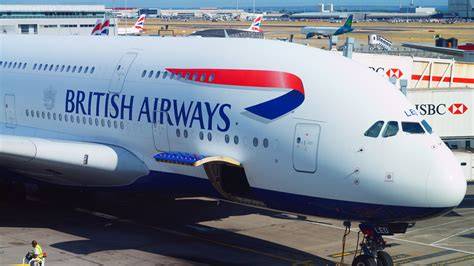
British Airways has also upgraded its A380 fleet with its latest Club Suite business-class product, while Lufthansa is introducing a modern business-class arrangement featuring direct aisle access for passengers.
These decisions reveal a major shift in airline thinking. The A380 is no longer viewed only as an outdated four-engine aircraft. It is now considered a specialized premium-capacity platform.
The Airbus A380 Has Become A Specialist Aircraft
The A380 did not fail because airlines stopped needing large aircraft. Instead, it failed because the market became more selective about where large aircraft were useful.
Airbus originally expected the A380 to become the backbone of international aviation, connecting major hubs around the world. The company predicted demand for more than 1,000 aircraft, but only 251 A380s were produced before production ended.
The rise of efficient twin-engine aircraft changed everything. Airlines discovered that two smaller aircraft could often provide better scheduling flexibility than one massive aircraft.
However, the same market changes that limited A380 sales also created its modern role.
Today, the aircraft is not expected to operate everywhere. It does not need hundreds of routes to justify its existence. Instead, airlines use it strategically on routes where its strengths are impossible to match.
The A380 works best on extremely busy international markets where airlines need maximum capacity, premium space, and strong passenger demand.
It has evolved from a general-purpose aircraft into a specialist tool.
Why The Airbus A380 Still Has Years Left In Service
The future of the A380 will eventually depend on newer aircraft technologies. The arrival of the Boeing 777X, continued A350 production increases, more efficient engines, and future sustainable aviation technologies will gradually reduce the economic advantage of large four-engine aircraft.
However, these changes will happen slowly.
The aviation industry operates on decades-long timelines. Aircraft are expensive assets designed to remain in service for 20 to 30 years or more. Airlines cannot instantly replace hundreds of aircraft, especially when manufacturers already face massive backlogs.
The remaining A380 operators are also those best positioned to use the aircraft effectively. Emirates, British Airways, Lufthansa, Singapore Airlines, and other major carriers operate networks where the aircraft’s unique characteristics create real value.
The A380 will never return to production. It will never become the dominant aircraft Airbus originally envisioned. But that does not mean it failed completely.
The superjumbo has achieved something unexpected. It survived one of the most difficult periods in commercial aviation history and found a new purpose.
The Airbus A380’s second life is not based on replacing every aircraft in the sky. Instead, it comes from doing something no other passenger aircraft can do: carrying enormous numbers of passengers while delivering an experience that smaller aircraft cannot reproduce.
For an aircraft once considered a commercial disappointment, the A380 has created one of aviation’s most fascinating reversals. The giant of the skies is no longer the future of aviation, but it remains an important part of its present.