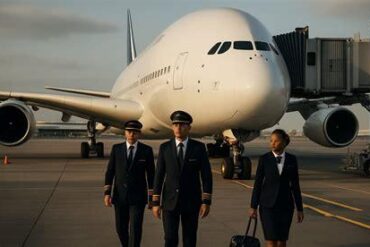
When most people think of pilots, they imagine them in the cockpit, steering a plane at 35,000 feet. But sometimes, pilots are flying without actually flying. These are deadhead pilots — airline crew members who travel as passengers for operational reasons. Although they’re not on active duty, their presence on a flight is anything but random. Let’s explore what deadheading means, why it’s necessary, and how it’s different from other travel arrangements in the airline industry.
What Does “Deadhead” Mean in Aviation?
The term deadhead pilot refers to a pilot who’s traveling on a flight to reposition for future duties, not to operate that specific flight. This usually happens when a pilot needs to be moved to another city to cover a scheduled flight or replace someone who’s become unavailable due to illness, delays, or other operational reasons.
Although deadhead pilots are passengers for that trip, they’re still considered on duty. They’re often in uniform and follow the same travel experience as any other passenger. The term became widely known after an unfortunate incident involving United Airlines in 2017. The airline forcibly removed paying passengers to make room for deadheading crew members, drawing public attention to this lesser-known aviation term.
Why Do Airlines Use Deadhead Pilots?
Airlines operate on tight schedules, and even a small disruption can affect crew availability. If a pilot is delayed or a flight is canceled, the airline might need to reposition another crew member quickly. That’s where deadheading comes in.
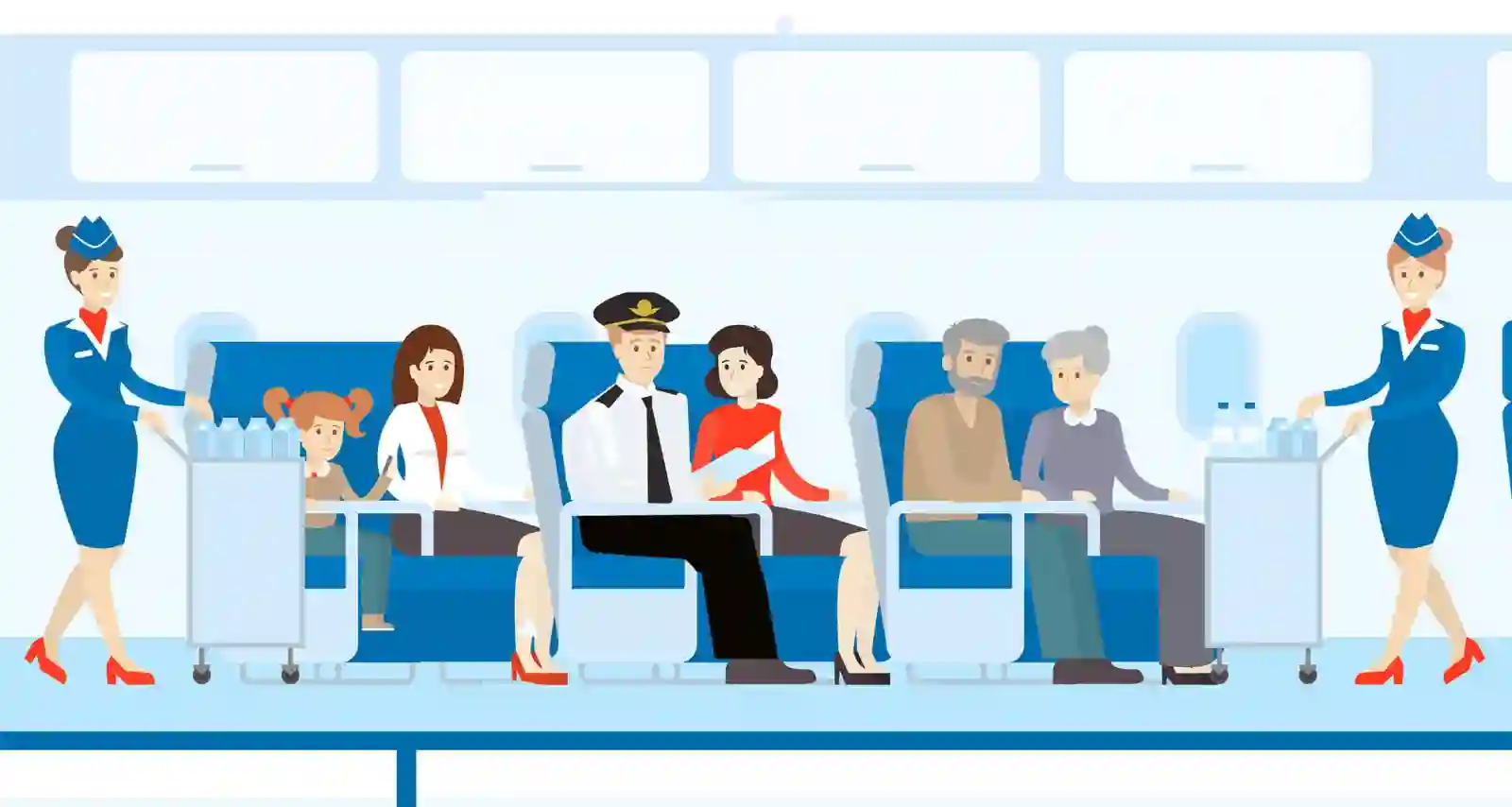
Instead of flying the plane, deadhead pilots travel as passengers, often in economy class, to reach their next assignment. This process helps airlines maintain their schedules and avoid canceling more flights.
Jack Herstam, a U.S. airline pilot, explains the difference between deadheading and commuting:
“The difference between deadheading and commuting is that a commuter, in most cases, does not have a confirmed ticket and is not on duty. Commuting is the sole responsibility of the crew member and is done only at the beginning or end of a trip.”
Perks and Downsides of Being a Deadhead Pilot
Deadhead pilots enjoy a few benefits. First, they’re being paid, even though they’re not flying the plane. They usually board early and leave last, and they may get small perks like extra beverages during the flight.
Being in uniform often draws attention from other passengers, who may strike up conversations or ask questions. Some travelers assume they’re flying the plane and are curious why they’re sitting in the cabin.
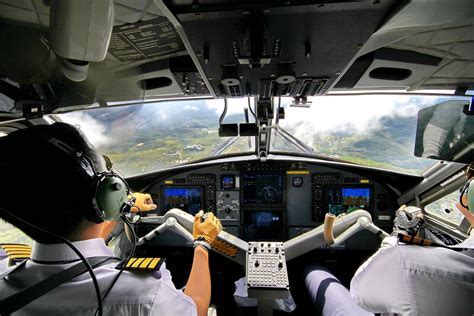
Another benefit is that these trips are protected by rest regulations. That means pilots must still receive enough rest time between flights, whether they’re flying actively or deadheading. This helps prevent fatigue and ensures safety on their next assignment.
Rules Deadhead Pilots Must Follow
Although deadhead pilots aren’t flying the aircraft, they still represent the airline. Because they’re in uniform, their behavior matters. They must follow all passenger rules—seatbelt signs, electronic devices, and so on—but with the added expectation of professionalism.
Ryan Goodwin, a regional airline pilot and instructor in the U.S., shared his perspective:
“As a passenger and not as a pilot in command or in second in command of the flight, I have no responsibilities unless I’m deadheading on a company airplane and the flight crew calls upon me. This is a very unlikely scenario. More than likely, the flight is an opportunity to relax and enjoy the experience.”
That said, deadhead pilots can still assist during emergencies. According to Samira Sugoniak, a project manager at Aeroclass, their presence can be helpful during critical phases of flight—like takeoff, landing, or evacuation. Even though it’s rare, they may be called upon to help.
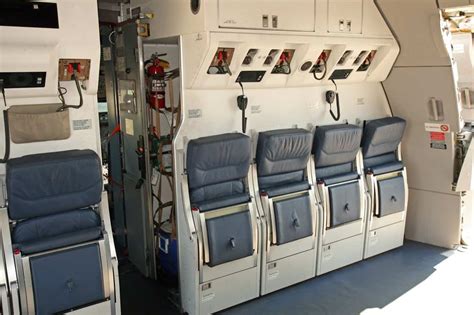
Real-Life Incidents Involving Deadhead Crew
While deadheading is typically uneventful, there have been a few serious incidents involving deadhead pilots or flight attendants.
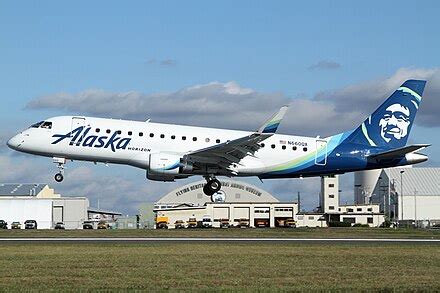
Alaska Airlines Flight 2059
In 2023, a deadheading pilot attempted to shut off the engines mid-flight on a trip from Everett, Washington, to San Francisco, California. The pilot was restrained by the crew and later charged with attempted murder. This rare event sparked discussions about mental health screening and safety protocols for off-duty crew members.
Japan Airlines Flight 123
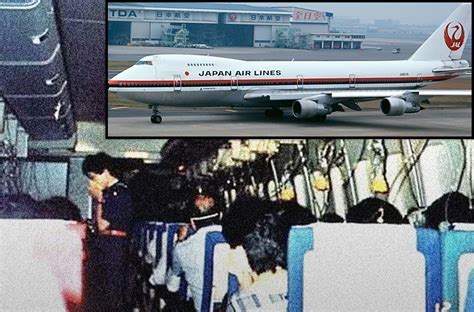
This 1985 flight remains one of the deadliest aviation accidents in history. After a mid-air decompression, a deadheading flight attendant assisted passengers with oxygen masks and helped maintain order. Although the plane tragically crashed, killing 505 out of 509 people on board, the attendant’s efforts were seen as heroic.
Can Pilots Deadhead on Other Airlines?
Yes, but only under certain conditions. For a pilot to deadhead on another airline’s flight, there must be a travel agreement between the two carriers. These agreements allow for flexibility, especially when one airline needs to borrow seats from another to move crew members quickly and efficiently.
Deadheading vs. Jump Seating: What’s the Difference?
Another term you might hear is jump seating. This refers to off-duty airline staff, like pilots or flight attendants, who occupy fold-down seats (known as jumpseats) in the cockpit or cabin.
Unlike deadheading, jump seating is usually unpaid and unofficial. It’s often used when an airline employee wants to commute home or to their work base without taking a passenger seat. Jumpseaters are not guaranteed a seat—they fly only if there’s room.
Deadhead pilots, on the other hand, are assigned a seat and are paid for the trip. They’re on duty, even if not flying the aircraft.
Do Deadhead Pilots Always Wear Uniforms?
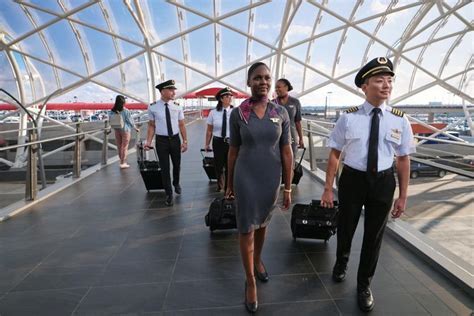
Yes, in almost all cases. Deadhead pilots are expected to wear their full uniform when traveling, which makes them stand out among passengers. While they’re technically not working the flight, they still represent the airline and are expected to behave accordingly.
Because of the uniform, they often draw attention. Passengers might ask them why they’re sitting in the main cabin or whether something is wrong with the flight. It’s just part of the experience for deadhead crew.
Final Thoughts
Deadheading might sound like an odd term, but it plays a crucial role in how airlines manage their crew and schedules. Whether flying across the country or across continents, deadhead pilots keep the airline machine running smoothly—even when they’re not in the cockpit. While most of the time it’s just a routine flight, their presence can also make a real difference in times of emergency.