
Understanding the Power of Microlearning in Today’s Workplaces
In the evolving landscape of corporate learning and development (L&D), organizations are embracing new paradigms that break away from traditional classroom-based instruction. Microlearning stands at the forefront of this change, offering targeted, compact, and impactful training modules that fit seamlessly into the fast-paced rhythm of modern professional life. By dividing learning into digestible, hyper-focused segments, companies ensure higher knowledge retention, greater engagement, and improved performance across roles.

The essence of microlearning lies in its simplicity: short, focused lessons that can be completed in minutes, accessed anywhere, and revisited anytime. These modules are particularly effective for delivering compliance training, onboarding new employees, reinforcing critical procedures, and driving continuous skill development.
Short Videos: Compact, Visual, and Memorable
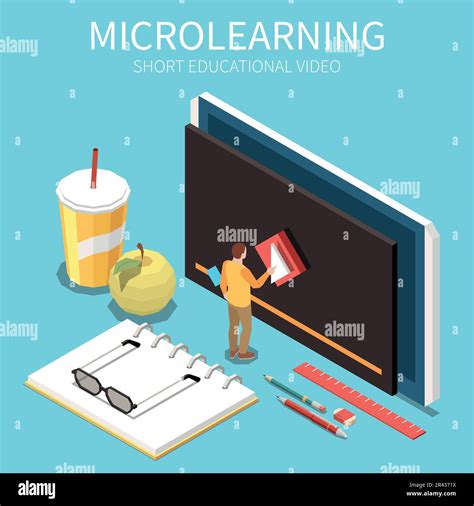
One of the most widespread and effective forms of microlearning is the short instructional video. Ranging from three to seven minutes, these clips condense complex topics into concise explanations. Their visual nature caters to different learning styles, enhances clarity, and aligns with digital consumption habits shaped by platforms like YouTube and TikTok.
When done right, each video focuses on a single concept. For example, a workplace safety training might use short videos to separately explain fire protocols, hazardous material handling, and emergency exits. These videos can be embedded in an LMS (Learning Management System), enabling trackable learning paths and automated assessments.
Mini Audio Clips: Learning on the Move
For professionals constantly on the go, audio-based microlearning is a practical solution. Podcasts or narrated clips allow learners to absorb information during commutes, workouts, or between meetings. They’re ideal for conceptual topics that do not require visual elements, such as company values, communication strategies, or leadership principles.
Audio microlearning demands clarity and pacing. With no visual aid, narrators must slow down, use clear transitions, and strategically pause to allow listeners to process key ideas. Organizations often combine audio with written transcripts and discussion prompts to enhance retention.
Quizzes: Active Recall in Action
Assessment-driven learning is critical in corporate environments, and quizzes serve as a pivotal microlearning tool. By prompting learners to recall information shortly after exposure, quizzes reinforce neural connections and highlight knowledge gaps.
Effective microlearning quizzes:
-
Reinforce critical policies (e.g., cybersecurity protocols)
-
Verify understanding in onboarding sequences
-
Provide compliance documentation
Quizzes also enable self-paced correction, reducing reliance on instructors and improving learner autonomy. Many platforms now auto-grade quizzes and offer instant feedback, significantly enhancing learning efficiency.
True or False: Binary Simplicity with Strategic Depth
While true or false questions may seem elementary, they challenge learners’ interpretive understanding and encourage rapid decision-making. Their binary format allows for swift interaction, making them ideal for mobile deployment or as daily check-in activities.
Strategically framed, these questions can reveal common misconceptions and reinforce nuance. For example:
“True or False: You should always reply-all to group emails for transparency.”
Such prompts initiate critical reflection and, when followed by rationale explanations, support deeper conceptual clarity.
Fast Facts: Driving Curiosity and Spaced Learning
Fast facts offer a low-pressure, high-engagement microlearning format. Delivered via LMS dashboards, mobile notifications, or email digests, these short bursts of information often present surprising, useful, or challenging content to reinforce long-term memory.
Examples include:
-
“Did you know? Passwords longer than 12 characters are 20 times more secure.”
-
“Today’s tip: Use CTRL+SHIFT+T to reopen a closed browser tab.”
These formats are essential for reinforcing frequently forgotten information and sustaining spaced repetition, a technique proven to boost knowledge retention.
Digital Flashcards: Interactive and Self-Directed Learning
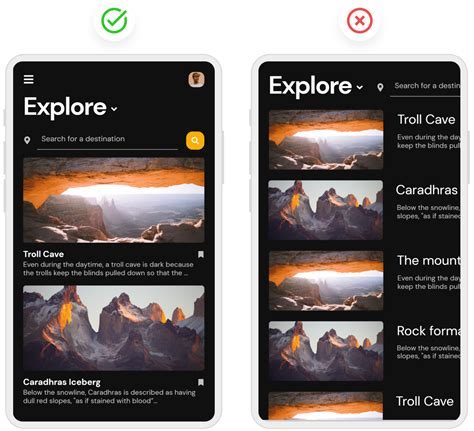
Drawing from classic learning tools, digital flashcards transform traditional study aids into responsive, gamified elements. Whether for product knowledge, technical vocabulary, or procedural steps, flashcards facilitate instant recall and adaptive learning.
They often employ a question-answer format, where learners can flag items they struggle with for additional review. Platforms like Anki or Quizlet integrate spaced repetition algorithms to prioritize cards the learner is least familiar with.
Flashcards are especially useful for:
-
Sales teams mastering product specifications
-
Healthcare workers reviewing clinical guidelines
-
Engineers memorizing compliance codes
Dos and Don’ts: Rule-Based Microlearning
A format that bridges clarity and practicality, the “dos and don’ts” structure provides black-and-white guidance for specific behaviors or actions. This is particularly effective for procedural or behavioral training, such as ethics compliance or workplace harassment policies.
Example:
-
Do report phishing emails to IT immediately.
-
Don’t click on suspicious links or download unverified attachments.
By presenting rules as binary choices, learners internalize correct behavior more easily and retain operational expectations more clearly.
Slide Shows: Pacing Control and Visual Engagement
Slide shows empower learners with self-paced content consumption. Each slide presents a segment of a broader topic, allowing time for deep reflection. Interactive slides may include charts, graphs, or infographics, making them ideal for data-driven learning like business analytics, budget overviews, or performance tracking.
Slide shows can be enhanced with:
-
Audio narration
-
Embedded quiz questions
-
Downloadable reference materials
They support visual reinforcement, particularly when conveying statistical trends or strategic frameworks, and can be used asynchronously across teams.
Gamification: Motivation Through Competition and Rewards
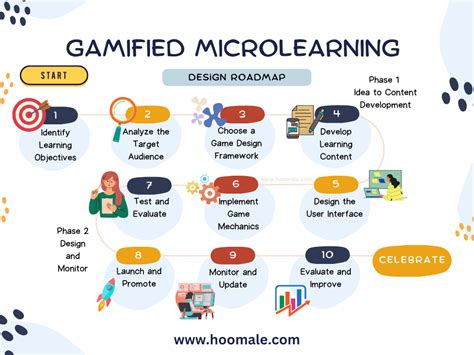
Gamification applies game mechanics to non-game contexts, and it has transformed the way microlearning is experienced. By introducing points, badges, leaderboards, and levels, organizations boost engagement and encourage repeated participation.
For example, a customer service team might complete weekly scenario challenges, earning points for correct responses and unlocking badges for consistency. This approach also supports collaborative learning by fostering healthy competition and peer recognition.
However, effective gamification requires balance. Overly punitive scoring or arbitrary challenges may demotivate learners. A focus on achievable goals, feedback loops, and progression rewards ensures positive learner outcomes.
Multiple Choice: Flexible and Scalable Testing
Multiple choice questions (MCQs) remain a cornerstone of scalable assessment in microlearning. They are easy to implement, measure progress efficiently, and can be automatically evaluated by most LMS platforms.
To design impactful MCQs:
-
Use plausible distractors to test comprehension
-
Focus on applied knowledge, not just recall
-
Offer instant feedback with explanations
MCQs are ideal for post-training assessments and certification programs, particularly where regulatory compliance or formal documentation is required.
Conclusion: Crafting Effective Microlearning Experiences
By incorporating a variety of these formats—short videos, quizzes, audio clips, and gamified elements—organizations can deliver flexible, learner-centric experiences that drive both engagement and mastery. The effectiveness of microlearning hinges not only on the format but on its alignment with learner needs, delivery context, and organizational objectives.
To build a high-performing microlearning strategy, companies must leverage a robust LMS, analyze learner behavior, and continuously refine content to stay relevant and impactful.
FAQ
What are the advantages of microlearning over traditional training?
Microlearning offers faster consumption, better retention, and greater engagement than traditional long-form training. It caters to modern attention spans and allows for on-demand access, empowering learners to revisit content anytime they need reinforcement.
Can microlearning be used for complex subjects?
Yes, complex topics can be broken down into sequential microlearning modules. For instance, a technical process can be taught via a series of videos, flashcards, and interactive scenarios that build understanding over time.
How can I measure the success of a microlearning program?
Success can be tracked using LMS analytics, completion rates, quiz scores, user feedback, and performance metrics. More advanced setups include behavior tracking and on-the-job performance improvements linked directly to training milestones.