Operational CRM (Customer Relationship Management) is a type of CRM system designed to manage and automate a company’s core functions related to customer interactions. This includes sales, marketing, and customer service operations. By centralizing data and using automation, operational CRMs streamline processes, improve team productivity, and ultimately enhance customer satisfaction and retention.
What is Operational CRM?
Operational CRM refers to a system that focuses on automating and managing routine customer-facing processes. These processes typically include sales, marketing, and customer service. The primary objective is to improve efficiency, consistency, and accuracy across all customer interactions. At its core, operational CRM centralizes critical customer data, which enables organizations to better manage customer relationships and ensure that employees across various departments are on the same page.
By automating repetitive tasks, operational CRM solutions free up time for your sales and service teams to focus on higher-value tasks like customer engagement and strategic growth. Through this centralized approach, businesses can track interactions and gain insights that allow them to provide a more personalized and effective service.
Key Features of Operational CRM
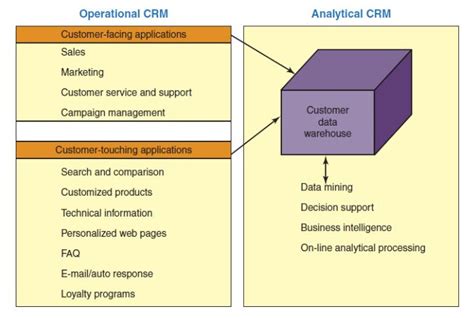
An operational CRM typically supports three main functions: sales management, marketing automation, and customer service management. Below, we dive deeper into each of these components and highlight the specific benefits they bring.
Sales Management with Operational CRM
Operational CRM tools are designed to help sales teams increase their efficiency and effectiveness by automating several aspects of the sales process. One of the key advantages of using an operational CRM in sales is prospecting automation. Sales representatives often manage a large volume of potential leads. Without proper tools, they might miss out on high-quality leads or struggle to nurture them effectively.
By automating prospecting, operational CRMs can sift through large amounts of data and identify the best prospects for follow-up. This means sales reps can focus their efforts on the leads that are more likely to convert, rather than spending time manually sorting through information.
Key tools include:
-
Lead management: Track and categorize leads according to their likelihood to convert, allowing sales reps to prioritize follow-ups effectively.
-
Sales forecasting: Operational CRM solutions provide tools that analyze historical data to predict future sales trends, helping businesses plan and allocate resources more effectively.
-
Pipeline management: A well-organized pipeline lets your sales team track prospects, manage stages, and identify bottlenecks.
These tools are crucial for increasing productivity and ensuring that every sales opportunity is maximized.
Marketing Automation in Operational CRM
Marketing automation is another significant feature of operational CRM systems. These systems streamline the process of reaching out to prospects and customers at the right time, with the right message. By automating campaigns, businesses can engage customers without needing manual intervention for every step.
The key functions in marketing automation include:
-
Email campaigns: Operational CRMs can trigger automated emails based on customer behaviors, such as filling out a contact form or browsing certain products on your website. This ensures your customers receive personalized content that keeps them engaged.
-
Lead nurturing: CRM systems allow marketing teams to automatically nurture leads with relevant content and follow-ups that are tailored to their interests and behaviors.
-
Customer segmentation: Operational CRMs can segment your audience based on behaviors, demographics, and other data points, allowing for more targeted and effective marketing campaigns.
By automating these processes, marketing teams can focus on creating high-quality content and developing strategic campaigns, while the CRM handles the operational aspects of engagement.
Customer Service Optimization with Operational CRM
One of the most important aspects of operational CRM is its ability to improve customer service. When a customer reaches out, the last thing they want is for the support agent to ask for the same information multiple times. An operational CRM centralizes customer data, so service representatives can quickly access all past interactions and resolve issues faster.
The customer service features typically found in operational CRMs include:
-
Case management: Track customer inquiries and complaints to ensure they are resolved in a timely manner.
-
Live chat: Many operational CRM systems integrate live chat functionality, allowing agents to interact with customers in real-time on websites or through mobile apps.
-
Self-service portals: Empower customers to resolve simple issues on their own by providing access to knowledge bases, FAQs, and ticketing systems.
By reducing response times and making communication easier, operational CRMs help improve customer satisfaction, which can lead to higher retention rates and better long-term relationships.
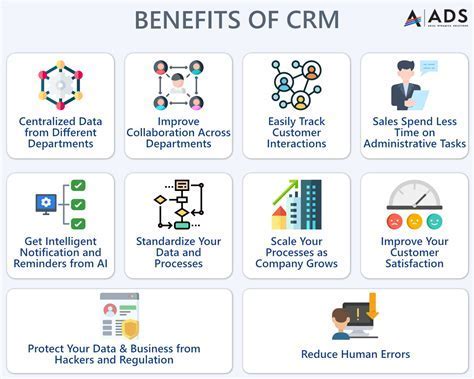
Benefits of Operational CRM
The benefits of an operational CRM system are significant and extend across multiple areas of a business. Let’s explore some of the key advantages:
-
Increased Efficiency: Automation of routine tasks like data entry, scheduling, and follow-ups ensures that team members can focus on more complex tasks, ultimately improving efficiency.
-
Improved Data Accuracy: Centralized data storage ensures that everyone in your organization has access to the most up-to-date information, reducing errors and miscommunication.
-
Better Collaboration: An operational CRM system can enhance collaboration between departments by providing a unified platform for sharing customer information and insights.
-
Enhanced Customer Experience: By automating communications and offering real-time support options like live chat, businesses can significantly improve the customer experience.
-
Cost Savings: Operational CRMs can help businesses save money by automating routine processes, reducing labor costs, and improving the efficiency of marketing campaigns.
Operational CRM vs. Analytical and Collaborative CRMs
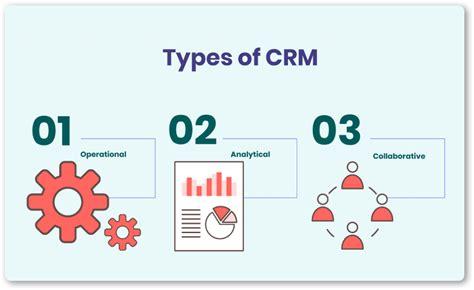
When exploring CRM systems, it’s important to understand the distinctions between operational CRMs, analytical CRMs, and collaborative CRMs. Each type serves a different purpose, and depending on your business needs, you may choose one over the others.
Operational CRM
An operational CRM focuses on automating and improving customer-facing operations such as sales, marketing, and service. Its main goal is to streamline processes and improve the efficiency of these core activities.
Analytical CRM
In contrast, an analytical CRM focuses on analyzing customer data to gain insights into customer behavior. This is ideal for building data-driven strategies but does not offer the operational tools necessary for execution.
Collaborative CRM
Collaborative CRMs focus on facilitating communication and collaboration between departments. They ensure that customer-facing teams work together seamlessly to deliver better results.
Choosing the Right Operational CRM for Your Business
Selecting the right operational CRM depends on various factors such as business size, needs, and growth potential. Here are some things to consider when evaluating different CRM options:
-
Scalability: Choose a CRM system that can grow with your business. As your customer base and team expand, you’ll need a platform that can handle increased data and workflows.
-
Ease of Use: A user-friendly interface will ensure quick adoption across your team. Training should be straightforward and minimal.
-
Customizable Features: Not all CRMs are built the same. Make sure the system offers the specific features your business needs, such as email marketing tools, sales automation, or customer support functionalities.
Conclusion
Operational CRM systems are essential tools for businesses looking to streamline their customer relationship management efforts. From automating sales and marketing processes to improving customer service, these systems provide the infrastructure needed to handle customer interactions efficiently. With the right CRM in place, businesses can boost productivity, enhance collaboration, and deliver superior customer experiences.
FAQ
What is the difference between operational CRM and analytical CRM?
Operational CRM is focused on automating customer-facing processes like sales, marketing, and customer service. It is designed to improve efficiency and streamline operations. Analytical CRM, on the other hand, is focused on analyzing customer data to gain insights for strategic decision-making.
How can an operational CRM benefit my sales team?
An operational CRM improves sales team performance by automating repetitive tasks, managing leads, and providing insights into customer behavior. Sales reps can spend more time engaging with high-priority leads and closing deals.
What features should I look for in an operational CRM?
Key features to look for in an operational CRM include sales automation tools, marketing automation, customer support integration, reporting and analytics, and mobile functionality. It’s important to choose a CRM that can grow with your business needs.