What Is a Travel Document Number?
A travel document number is a unique alphanumeric identifier assigned to official documents used in international travel, including passports, visas, and Green Cards. This number acts as an essential verification tool, enabling governments and immigration authorities to confirm the authenticity of documents and the identity of travelers. When crossing borders, the travel document number becomes your global ID, used in everything from visa applications to security screenings.
Each document type—passport, visa, and Green Card—features its own format for this identifier. Regardless of format, the travel document number serves the same fundamental function: to ensure seamless tracking and validation of the individual holding the document. Given the global rise in migration and cross-border movement, the role of this number in international documentation has never been more critical.
Where You Can Find the Travel Document Number
Passports
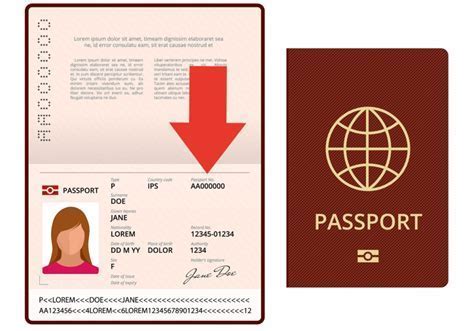
The passport number, often used interchangeably with the term travel document number in the case of passports, is typically found in the top right-hand corner of the ID page. In the United States, this number generally comprises 6 to 9 characters and is printed in black ink. It is a required field for visa applications, international tickets, and border entry forms.
Visas
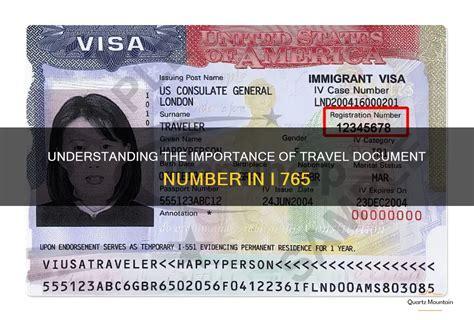
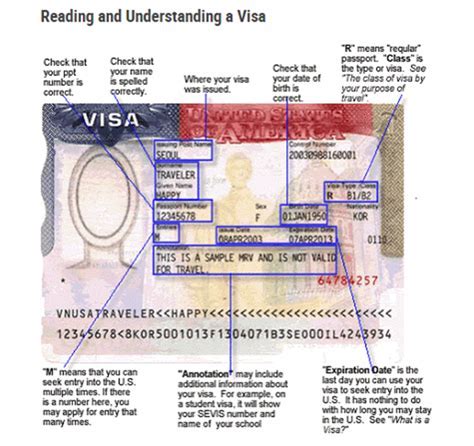
A U.S. visa includes a unique travel document number, which is commonly found in red ink in the lower right-hand corner of the visa stamp or sticker. This number typically consists of 8 characters and serves as a reference for your entry eligibility, travel period, and category of visit.
Green Cards
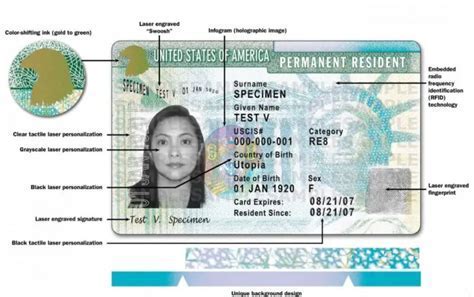
For lawful permanent residents of the United States, the Green Card includes a travel document number—also known as the receipt number—usually located on the back or center of the card. It typically comprises 13 characters, blending letters and numbers. This number is essential for tracking status updates, renewing cards, or verifying employment eligibility.
Why the Travel Document Number Matters
The importance of the travel document number lies in its function as a secure, standardized method for verifying the identity of travelers. In an era where border security is paramount, having a distinct identifier for each travel document ensures that no two individuals share the same document credentials.
Key roles of the travel document number include:
-
Validating document authenticity: Assists border agents in identifying counterfeit documents.
-
Ensuring identity integrity: Supports consistency in immigration and legal systems.
-
Facilitating international processes: Enables visa processing, customs clearance, and travel authorizations.
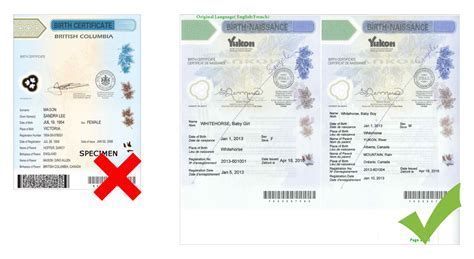
Authorities use this number to cross-check databases for red flags, including expired documents, identity mismatches, and alerts from international watchlists.
How to Apply for Documents Containing Travel Document Numbers
Applying for a U.S. Passport
To obtain a U.S. passport, applicants must:
-
Complete Form DS-11 (for first-time applicants).
-
Submit proof of U.S. citizenship (e.g., birth certificate).
-
Provide a government-issued ID.
-
Include a compliant passport photo.
-
Pay the required fee ($130 for the book, $30 for the card).
The processing time generally takes 6–8 weeks, though expedited services can reduce this timeline.
Applying for a U.S. Visa
The visa application process includes:
-
Filling out the DS-160 form online.
-
Scheduling and attending an interview at a U.S. embassy or consulate.
-
Providing supporting documents (e.g., passport, financial evidence, invitation letters).
-
Paying the application fee (ranging from $160 to $265 depending on visa type).
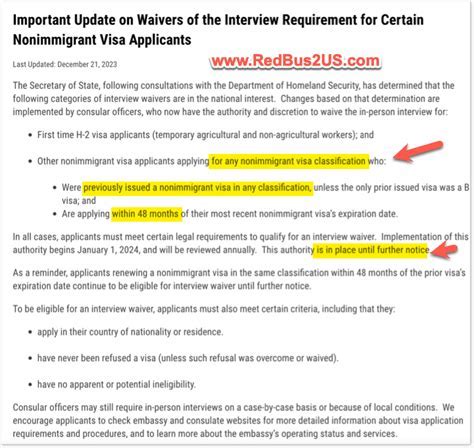
Visa decisions are typically made within 7–10 business days, with additional time for passport return.
Applying for a Green Card
For those pursuing permanent residency, the Green Card process involves:
-
Determining eligibility under categories like family sponsorship, employment, or asylum.
-
Filing Form I-485 with USCIS.
-
Submitting biometric data and supporting documentation.
-
Attending an interview with an immigration officer.
The complete process can take 5–6 months or longer, depending on backlog and case complexity. A Green Card is valid for up to 10 years and must be renewed before expiration.
How to Locate Your Travel Document Number
Travelers are often required to input their travel document number in forms related to immigration, airline ticketing, and international registrations. Knowing where to find it prevents delays in processing and avoids bureaucratic complications.
-
For passports: Top right-hand corner of the identification page.
-
For visas: Bottom right corner, usually printed in red.
-
For Green Cards: Typically centered on the back or below the USCIS#.
Failing to enter the correct travel document number can result in visa denials or border delays. Always double-check the number for accuracy.
Difference Between Travel Document Number and I-94 Number
A common misconception is confusing the travel document number with the I-94 arrival/departure record number. These are not the same:
-
Travel Document Number: Tied to a specific document (passport, visa, or Green Card).
-
I-94 Number: A separate number issued upon legal entry into the U.S., found at https://i94.cbp.dhs.gov.
Understanding this difference is essential for correct form submission during immigration or employment authorization processes.
What to Do If You Can’t Find Your Travel Document Number
Losing or misidentifying your travel document number can cause serious setbacks. If you cannot locate it:
-
Re-examine the document thoroughly.
-
Contact the issuing authority—such as a passport office, embassy, or USCIS.
-
In emergencies, visit the nearest immigration or consular post for reissuance or assistance.
The Travel Document Number in Digital Travel Systems
With increasing digitization, the travel document number plays a central role in online immigration portals, electronic visa systems, and biometric databases. Systems like ESTA (for U.S. Visa Waiver countries) and eVisitor (for Australia) rely on correct document numbers to issue travel approvals automatically.
Inputting incorrect travel document numbers during online check-ins or eVisa applications can invalidate the entire process, leading to denied boarding or rejections at the border.
Final Thoughts
Understanding the travel document number is no longer a luxury—it is a necessity. Whether you’re planning a vacation, applying for a visa, or settling into a new country, this number plays a pivotal role in the global travel and immigration system. Knowing where it is, what it does, and how to use it correctly will save you time, stress, and potentially, legal trouble.
FAQ: Travel Document Number
1. Is my passport number my travel document number?
Yes. For passports, the travel document number is the same as the passport number. This applies to both U.S. and most international passports.
2. How can I find my visa travel document number?
On U.S. visas, the number is typically printed in red in the bottom right corner of the visa stamp or label inside your passport.
3. What if I lose my document with the travel document number?
Contact the issuing authority immediately—such as your national passport agency, the U.S. Department of State, or USCIS. They will guide you through the process of replacement or verification.