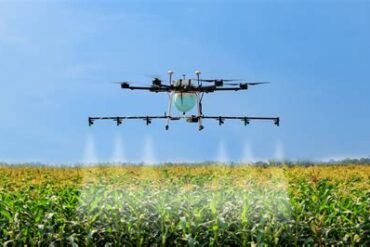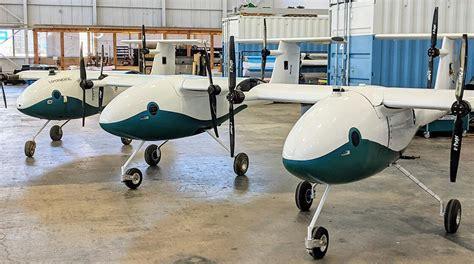
The world of precision agriculture is undergoing a radical transformation with the debut of the Pelican Spray Drone, developed by California-based company Pyka and unveiled in the Midwest by Kelly Hills Unmanned Systems. As the largest agricultural spray drone ever constructed and operated on American soil, the Pelican Spray signals a seismic shift in how crop protection and nutrient application can be executed at scale—with speed, autonomy, and environmental efficiency.
This breakthrough in ag-tech was spotlighted during the 2024 Demo Day hosted at the Kelly Hills UAS Test Range in Seneca, Kansas, a strategically important hub for the fusion of agriculture and aviation technologies.
Pelican Spray Drone: A Titan in the Sky
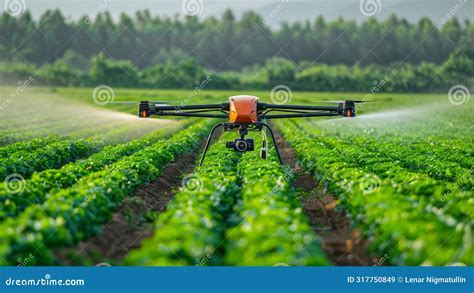
Weighing 700 pounds empty, the Pelican Spray is engineered for dominance. Capable of lifting a 620-pound payload—equivalent to 74 gallons of agricultural spray—this fixed-wing, electric-powered drone is designed to cover 150 to 220 acres per hour, rivaling traditional manned aerial applicators. The 20-nozzle boom system on each wing ensures consistent and wide spray coverage while flying just 9 feet above the crop canopy.
What sets the Pelican Spray apart is not just its size or payload capacity, but its autonomous capabilities. Outfitted with GPS and LiDAR, the drone can take off, fly, and land without human intervention, and it can operate on dirt, grass, or concrete runways of at least 600 meters in length and 30 meters in width.
FAA-Approved Test Range: A Midwest First
The Pelican Spray’s inaugural U.S. operation is made possible through an FAA-approved 49,000-square-mile UAS Test Range covering Kansas, Missouri, Iowa, and Nebraska. Managed by Kelly Hills Unmanned and their parent company Heinen Brothers Agra Services, this range is a proving ground for fixed-wing, multirotor, and rotary-wing drones, testing spray effectiveness across crops such as corn, soybeans, and milo.
This strategic test range is not merely a milestone for drone developers, but an opportunity for researchers, agtech companies, and producers to collaborate on the next generation of crop management technologies.
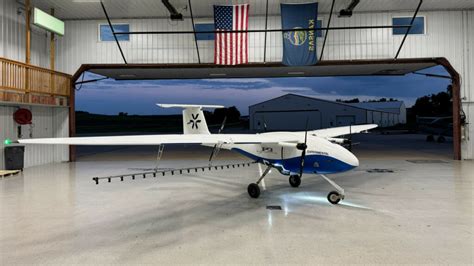
Autonomous Application at Scale
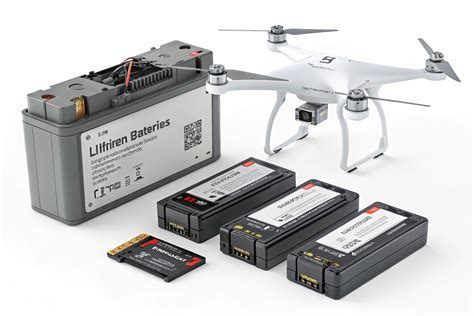
The Pelican Spray’s 1–2 gallon per acre application rate is not only precise but also environmentally conscious. Less chemical use means lower environmental impact and reduced input costs for producers. The ability to spray at 70 mph allows this drone to be efficient even in high-wind windows, and with three swappable 18kWh lithium-ion batteries, downtime is minimized between operations.
Its night spraying capabilities, although currently limited by FAA regulations, represent the future of 24/7 autonomous crop treatment, especially vital during narrow treatment windows in the growing season.
Domestic Manufacturing Advantage Amid Global Tensions
The Pelican Spray’s American manufacturing origin offers a vital advantage in a time of escalating geopolitical scrutiny. As the U.S. government mulls potential restrictions on Chinese drone manufacturers—namely DJI and XAG, which dominate the global spray drone market—Pyka’s domestic production is a strategic safeguard for American agricultural autonomy.
With bipartisan concerns mounting over data security and critical infrastructure reliance on foreign-made drones, American-made alternatives like the Pelican Spray could become indispensable to farmers and ag retailers alike.
Economic and Operational Considerations
Although priced north of $500,000, the Pelican Spray is a long-term investment for large-acreage operations, custom applicators, and ag service providers. Its efficiency—potentially reducing the need for multiple manned flights or ground equipment—can quickly recoup costs in high-volume, high-precision farming operations. Key economic advantages include:
- Reduced labor costs due to autonomous operation
- Lower fuel costs compared to traditional manned planes
- Fewer passes over the field, reducing soil compaction and crop damage
Versatility and Future-Readiness
The drone’s adaptability for multiple crop types and terrain conditions makes it a flexible tool across diverse agricultural settings. Its software integration with farm management systems enables precise data tracking for each application run, ensuring compliance and improving field-level insights.
Furthermore, as autonomous flight regulations evolve, the Pelican Spray’s existing hardware and safety systems are poised to meet future FAA standards, including night flight waivers and beyond visual line of sight (BVLOS) permissions.
The Competitive Edge: How It Stands Out
While competitors like Rotor.AI are developing autonomous spray helicopters (expected to cover 240 acres per hour), Pyka’s fixed-wing architecture offers improved endurance, lift-to-drag efficiency, and coverage uniformity. The fixed-wing design is inherently superior for long-distance and high-speed operations, especially over large contiguous fields.
Unlike smaller multirotor drones that require frequent refills and battery swaps, the Pelican Spray reduces human intervention dramatically, operating more like a traditional crop duster—but without the pilot.
International Deployment and Regulatory Insights
Beyond the U.S., the Pelican Spray is already undergoing active trials in Central and South America, where regulations on aerial spraying by drones are more lenient. These test campaigns are invaluable, generating real-world data on drone-assisted agriculture and potentially shaping the regulatory playbooks of other nations.
The success of these trials may serve as critical case studies for U.S. lawmakers and FAA officials as they weigh the future of autonomous agricultural drones domestically.
Conclusion: A Skyward Path for Smart Farming
The Pelican Spray drone stands not only as a monument to American engineering but as a bold vision for what future farming looks like. With autonomy, scale, and sustainability at its core, it offers producers a compelling alternative to conventional spraying methods—bridging the gap between agronomic efficiency and technological advancement.
As the climate crisis, input costs, and labor shortages continue to pressure global agriculture, solutions like the Pelican Spray will become increasingly essential—not as novelties, but as core components of the modern agronomic toolkit.
With continued FAA cooperation, expanding test ranges, and a clear eye on regulatory alignment, the era of autonomous aerial agriculture has truly taken flight.