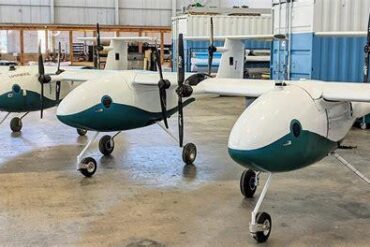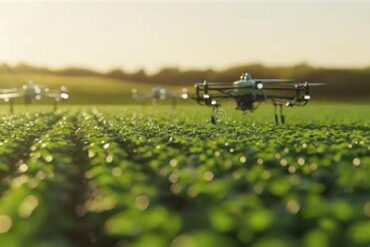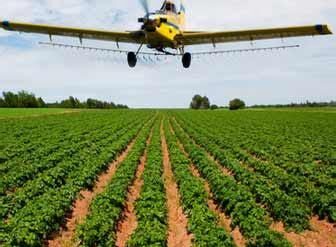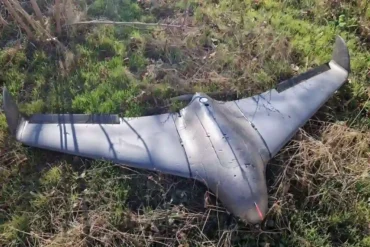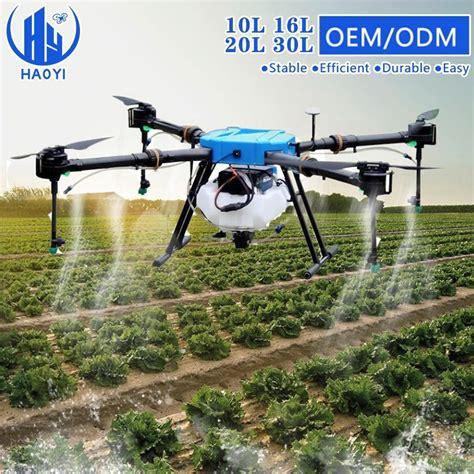
Unmanned Aerial Vehicles (UAVs), commonly referred to as agricultural drones, are transforming the way farmers manage crop protection. While fixed-wing aircraft remain a staple in traditional aerial pesticide applications across the United States, the momentum is shifting toward drone-based spraying systems. These compact, precision-guided platforms offer compelling advantages, especially for fields with challenging topography or irregular geometry.
The term UAV encompasses a broad range of aerial systems, but in agriculture, it primarily refers to drones equipped for liquid pesticide spraying. Their rise coincides with technological advances in sensors, battery capacity, and automated controls, along with a growing awareness of the environmental and economic benefits of precision agriculture.
Early Applications: From Observation to Action
Initially, drones were deployed as tools for observation. Using high-resolution multispectral cameras and GPS/GNSS positioning, early agricultural UAVs provided crucial data on soil moisture, crop nutrient levels, tile drainage locations, and disease or pest infestations. These insights allowed farmers to make informed decisions about irrigation, fertilization, and pest control. But as hardware and payload capacity improved, drones moved from mere scouts to active participants in crop management, capable of applying fertilizers, herbicides, and fungicides.
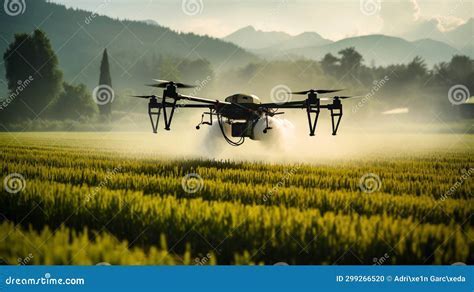
The shift from reconnaissance to treatment has opened new doors, particularly in regions where conventional aircraft are impractical or cost-prohibitive. In such environments, UAVs offer targeted application, reduce exposure risks for operators, and enable more sustainable pest control practices.
Explosive Market Growth and Global Trends
The agricultural drone market is booming. Valued at $4.98 billion in 2023, the sector is projected to surge to $18.22 billion by 2030, reflecting a 20.3% compound annual growth rate. This expansion is fueled by both technological innovations and strong adoption in regions like East Asia.
In Japan, over 2,800 unmanned helicopters now service nearly a third of the nation’s rice paddies. South Korea has integrated drone use in roughly 30% of its agricultural spraying. China, however, leads the global charge. From a single UAV model in 2009, the Chinese market grew to 169 models and 10,000 active units by 2016. By 2021, Chinese UAVs had treated over 153 million acres, with a workforce of more than 200,000 certified pilots.
In the United States, adoption is still in its early stages. However, UAV crop dusting is gaining traction for its ability to access hard-to-reach fields, its lower operational cost, and its inherent safety for human operators.
Drone Sprayer Configurations and Components
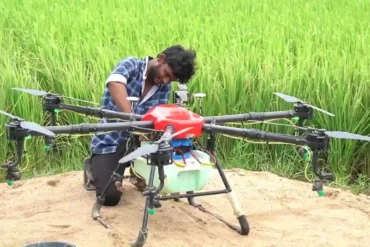
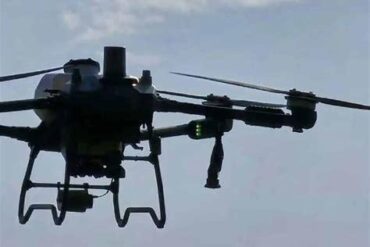
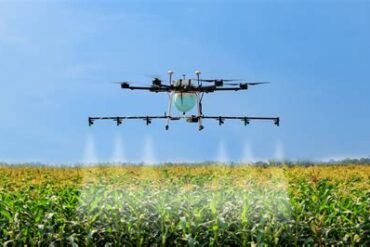
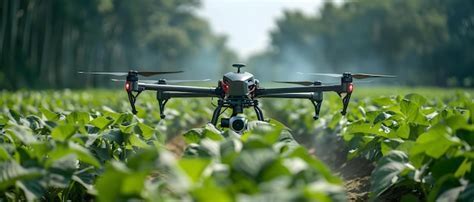
Modern UAV sprayers are compact yet sophisticated. Most are multi-rotor designs, optimized for hovering stability and low-altitude flight. Key components include:
- Tank (typically 2–10 gallons)
- Pump and flow meter
- Filters and pressure gauges
- Hoses and nozzles
- GNSS receiver and RTK compatibility
- Collision avoidance sensors
- Wireless remote control or ground station
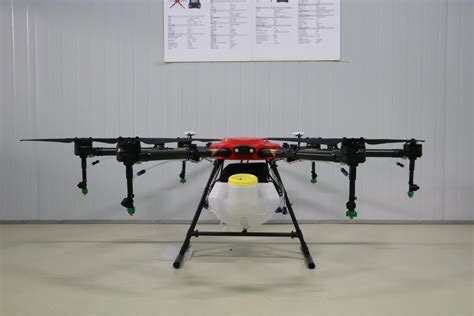
The placement and type of spray nozzles—drop hoses vs. fixed booms—greatly affect canopy penetration and application accuracy. However, there’s no standardized design, requiring operators to carefully evaluate their equipment choices based on specific crop needs and field characteristics.
Nozzle Technology: Balancing Coverage and Drift
Two main nozzle types dominate UAV spraying systems: hydraulic nozzles and rotary disc atomizers. Each has distinct performance characteristics.
- Hydraulic Nozzles: Flexible in flow rates, these nozzles are affordable and familiar to many applicators. However, they are prone to clogging, uneven droplet sizes, and chemical drift.
- Rotary Disc Atomizers: Preferred for droplet uniformity and drift resistance, these systems use high-speed rotating discs to atomize the spray. Though easier to clean, they are less adjustable and demand frequent monitoring of RPMs.
Newer systems support dual-layer rotary disc atomizers, which enable variable droplet sizes within a single pass—ideal for mixed-canopy applications or targeted treatments.
Operational Efficiency and Best Practices
Typical UAV spraying rates range from 1.5 to 2 gallons per acre, with aircraft flying at 7 to 12 feet above the crop canopy at speeds between 10 and 30 mph. Advanced models feature terrain-following sensors that adjust altitude in real-time and include auto-return functions for refills.
To optimize spraying, we recommend:
- Conducting dye tests to determine accurate swath width
- Maintaining consistent flight speed and altitude to reduce drift
- Selecting appropriate droplet sizes for each chemical and crop
- Adhering to manufacturer calibration and buffer guidelines
While battery life remains a limitation (5–15 minutes per cycle), modular designs and quick-swap batteries mitigate downtime.
Regulatory Landscape and Certification Requirements
In the U.S., drones over 0.55 lbs must be registered with the FAA and display the registration number. Operators need:
- Part 107 Remote Pilot Certificate (for flight operations)
- Part 137 Agricultural Aircraft Operations Certificate (for pesticide application)
- State-specific training and licensing
Additional certifications are required for night operations, beyond-visual-line-of-sight (BVLOS) activities, or drone swarming. These must be approved under FAA waivers or exemptions.
Limitations and Challenges to Widespread Adoption
Despite its promise, UAV crop dusting is not without hurdles. Among the most pressing are:
- Short operational windows due to battery limits
- Limited payload capacity compared to traditional aircraft
- Lack of pesticide labels tailored for UAV application
- Lower hourly coverage rates, especially on large farms
- FAA restrictions limiting one drone per pilot and daylight-only usage
Moreover, research comparing drone application effectiveness to conventional methods remains sparse, making it difficult to formulate universal best practices.
Strategic Considerations Before Investment
There is no one-size-fits-all drone sprayer. Farmers and agribusinesses must weigh variables such as:
- Rotor configuration (quad, hex, or octocopter)
- Tank size and payload
- Nozzle type and placement
- Boom length and folding mechanisms
- Automation features and software integration
Evaluating third-party reviews, field demos, and university extension resources can be invaluable when selecting a system.
Future Outlook: The Hybrid Era of Aerial Application
We expect drones to augment rather than replace conventional crop dusting aircraft. As battery technology, payload efficiency, and precision control systems advance, UAVs will become indispensable for spot treatments, edge applications, and emergency pest outbreaks.
Promising trends include:
- Multi-drone swarming, pending FAA clearance
- AI-powered path optimization
- Real-time field mapping and adaptive spraying
- Integrated data pipelines between scouting and spraying drones
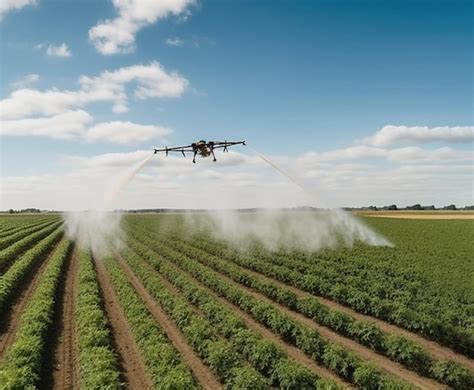
UAV crop dusting embodies a new frontier in precision agriculture, marrying environmental responsibility with economic efficiency. With the right planning, training, and equipment, farmers stand to gain both in yield and sustainability.