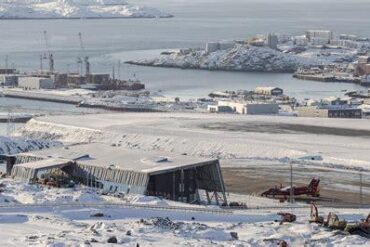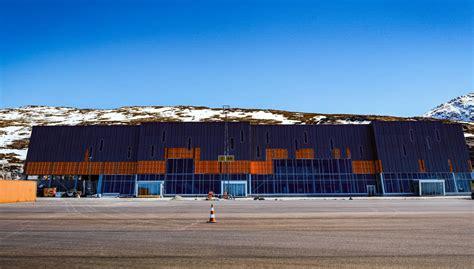
Greenland’s aviation industry has witnessed a defining moment as Nuuk Airport recorded its highest-ever single-day passenger flow, thanks to a groundbreaking operation led by HX (Hurtigruten Expeditions). Over 500 travelers passed through the airport in a single day—an unprecedented surge that signals a dramatic shift in the island’s connectivity and global tourism potential.
The feat not only elevated Nuuk Airport into the spotlight as a rising Arctic hub, but also underlined HX’s strategic role in shaping Greenland’s future in air travel. The milestone was punctuated by cultural celebrations and technical triumphs, further anchoring this moment as one of the most significant in Greenlandic aviation history.
HX Sets a New Standard for Greenland’s Aviation Growth
At the core of this success is HX’s relentless operational expansion and its alliance with Air Greenland, a partnership that has accelerated Greenland’s accessibility from Europe and beyond. The arrival of over 500 passengers in a single day shattered previous records and offered clear evidence of the rising global interest in Greenland as both a tourist and logistical destination.
HX has long been at the forefront of expeditionary travel in Greenland. Its ability to consistently deliver large volumes of passengers safely and efficiently across remote Arctic routes has made it a linchpin in the region’s emerging air travel ecosystem. The airline’s record-setting operations on June 13, 2025, confirmed its dominance, but more importantly, signaled a larger narrative: Greenland is no longer a fringe destination—it’s becoming a nexus for Arctic travel.
The Historic Arrival of ‘Tuukkaq’: A Turning Point in Infrastructure
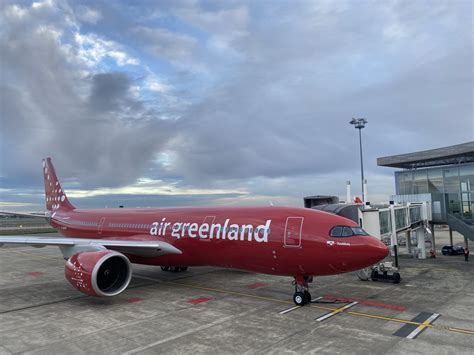
The landmark day was highlighted by the seasonal return of HX’s Airbus A330-800neo, aptly named “Tuukkaq.” This aircraft, engineered to endure the technical challenges of remote and frigid climates, touched down at Nuuk Airport after a long-haul flight from Copenhagen, launching the Arctic summer travel season with style and strength.
‘Tuukkaq’ is more than just an aircraft—it’s a symbol of Greenland’s ambitions. With its spacious, long-range design, the jet is optimized for transcontinental operations and perfectly suited for growing tourist traffic between Europe and the Arctic. Its inaugural arrival on record-setting day was a calculated statement: Greenland’s infrastructure is ready for global travel.

Cultural Pride Meets Global Tourism
In celebration of the milestone, HX orchestrated a cultural gala at KATUAQ, Greenland’s renowned cultural center. The event, steeped in tradition and contemporary flair, featured performances and appearances by beloved Greenlandic figures such as Qupanuk Olsen, a cultural ambassador, and fashion designer Nickie Isaksen, known for blending Inuit heritage with modern design.
This celebration was far from mere pageantry—it reflected HX’s commitment to embedding cultural engagement within its operational DNA. By honoring Greenlandic heritage, HX effectively aligns its commercial success with the preservation and global promotion of Greenland’s identity. This deliberate approach reinforces the idea that tourism growth does not have to come at the expense of cultural integrity. Instead, the two can—and should—coexist.
Strategic Alliances Powering Arctic Expansion
The collaboration between HX and Air Greenland has emerged as a model of Arctic aviation synergy. This partnership has fostered operational excellence and expanded access to remote destinations, bringing Greenland closer to major international cities like Copenhagen and Reykjavík.
Together, these carriers have created a scalable and sustainable air bridge to Greenland, improving cargo capacity, route frequency, and passenger comfort. The record day was a direct result of this partnership’s strategic focus on efficiency and expansion.
By combining HX’s expeditionary expertise with Air Greenland’s local insight and infrastructure, the alliance is driving systemic growth across Greenland’s aviation and tourism sectors. It is paving the way for future investments, larger-scale operations, and a broader reach across the Arctic Circle.
Greenland’s Global Appeal: Fueling the Surge
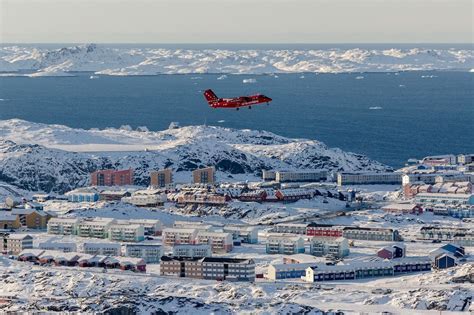
The record turnout at Nuuk Airport is also a mirror of Greenland’s growing reputation on the global stage. Tourists and adventure seekers are increasingly drawn to its dramatic landscapes, vibrant indigenous culture, and promise of pristine solitude.
From kayaking between floating icebergs to witnessing the aurora borealis in untouched isolation, Greenland offers a rare mix of environmental purity and cultural authenticity. As international travelers seek alternative, meaningful destinations, Greenland has emerged as the new frontier.
HX’s ability to meet this demand head-on, with seamless logistics and immersive experiences, has made it a market leader in Arctic exploration. But this growth also brings with it responsibilities—ones HX seems intent on honoring. The company is already investing in sustainability initiatives, local workforce development, and carbon-conscious practices.
From Milestone to Momentum: What Comes Next
The 500-passenger milestone is not the culmination—it is a launchpad. HX has outlined ambitious plans to further increase service frequencies, expand routes, and deepen its integration with Greenland’s tourism infrastructure.
Future strategies include:
- Increasing transatlantic seasonal operations
- Enhancing inter-island connectivity within Greenland
- Investing in airport and port infrastructure for smoother transfers
- Introducing hybrid or low-emission aircraft to reduce environmental impact
With the groundwork already laid, HX is positioned to take Greenland’s air travel sector into its next phase of global relevance.
Air Travel as Catalyst for Economic Transformation
This aviation milestone also holds profound economic implications. With greater passenger throughput and connectivity, local businesses—from hotels and restaurants to tour operators and artisans—stand to benefit from increased revenue streams.
The government’s support of infrastructure upgrades at Nuuk Airport is a testament to this broader vision: aviation is a pillar for national development. With stable and frequent air access, Greenland can better support research missions, trade operations, healthcare logistics, and cultural exchanges.
HX’s success has demonstrated that with the right vision and partnerships, even the most remote regions can become economically vibrant and globally connected.

Conclusion: A Record Not Just for the Books, But for the Future
June 13, 2025, will be remembered as a defining chapter in the evolution of Arctic aviation. Nuuk Airport’s record-setting day—powered by HX’s operational excellence and strategic foresight—was not just about passenger numbers. It was a declaration that Greenland has entered a new era.
With cultural integrity at its core and international connectivity in its wings, Greenland is no longer on the periphery of global travel. It is a destination of choice, a hub of exploration, and a model for sustainable development in extreme environments.
HX’s role as a catalyst cannot be overstated. Through its blend of innovation, heritage respect, and strategic alliances, the company has helped unlock a future where Greenland is not just visited, but experienced in its fullest dimension.