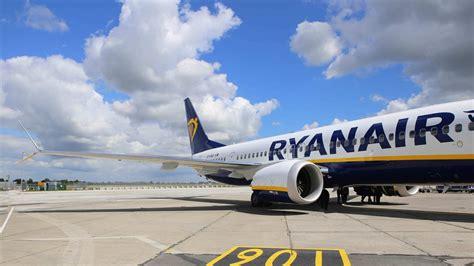
A Ryanair Boeing 737-800 was forced to return to Thessaloniki Airport after a midair engine failure sent debris into the aircraft cabin, damaging a passenger window and injuring a traveler. The flight, operating from Thessaloniki, Greece, to Memmingen, Germany, landed safely after pilots handled the emergency, while authorities began investigating the unusual event.
Dramatic Engine Failure Forces Ryanair Flight Back to Greece
Ryanair flight FR1879 departed Thessaloniki Airport on a scheduled international route to Memmingen Airport. The aircraft involved was a Malta Air Boeing 737-800 registered as 9H-QEU. According to flight tracking information, the aircraft left at approximately 6:12 AM local time, shortly after its planned departure.
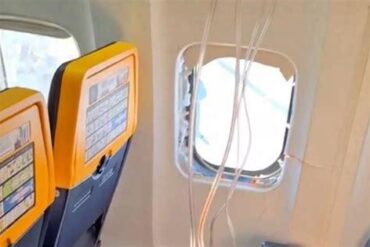
Shortly after takeoff, the flight encountered a serious problem when debris from an engine failure reportedly struck the fuselage. The impact shattered a passenger window, causing injuries to a male traveler seated nearby. Reports indicated that the passenger’s head and shoulders were briefly pulled toward the damaged window area due to the sudden pressure difference inside the aircraft.
The incident created a frightening situation inside the cabin, but the aircraft’s crew responded quickly. The pilots decided to return to Thessaloniki, declared an emergency, and began procedures to safely bring the aircraft back to the airport. Oxygen masks were reportedly deployed during the flight as passengers experienced the effects of the emergency.
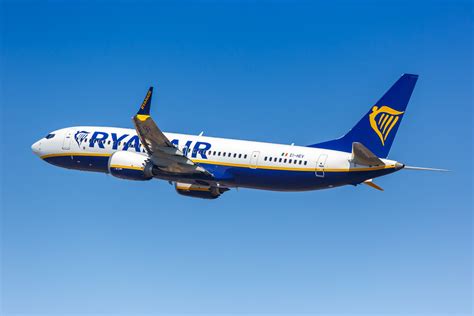
The aircraft reached an altitude of around 16,000 feet before beginning its return descent. Because the aircraft had taken on fuel for the international journey, pilots needed to burn off excess fuel before landing to avoid an overweight landing. The Boeing 737 eventually touched down safely at Thessaloniki approximately 45 minutes after departure.
Emergency responders were waiting when the aircraft arrived. The injured passenger received medical attention, while other passengers were moved away from the damaged area of the cabin. The rows near the broken window were reportedly relocated to ensure passenger safety.
Replacement Aircraft Minimizes Passenger Disruption
Following the emergency landing, Ryanair arranged a replacement aircraft so that unaffected passengers could continue their journey to Germany. Although the incident caused significant disruption, the airline worked to reduce the delay for travelers.
The replacement flight departed Thessaloniki at around 10:03 AM and arrived at Memmingen at approximately 11:00 AM. This meant passengers reached their destination nearly four hours later than scheduled. The return service of the aircraft was also delayed as a result of the earlier incident.
Ryanair confirmed that the aircraft had returned shortly after takeoff because a passenger window became dislodged during the flight. The airline stated that the aircraft landed normally and that passengers were returned to the terminal after arrival.
The investigation will focus on several possible factors, including the cause of the engine failure, how debris reached the cabin window, and whether any structural damage occurred during the event. Aviation authorities routinely examine such incidents to determine whether maintenance, component failure, or other technical issues contributed to the situation.
Rare Aviation Incidents Highlight Aircraft Safety Challenges
Although the event was alarming, serious incidents involving cabin windows damaged by engine debris are extremely uncommon. Modern commercial aircraft are designed with multiple safety systems that allow crews to manage unexpected failures and return safely to airports.
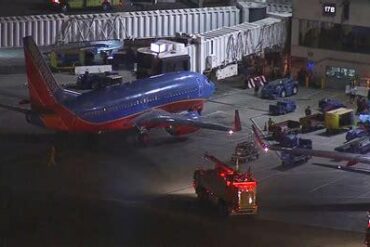
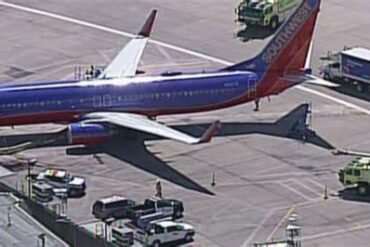
One of the most widely known examples occurred in 2018 involving Southwest Airlines Flight 1380, where an engine failure caused debris to damage a cabin window. That accident resulted in the tragic death of a passenger and led to renewed attention on engine containment standards and aircraft safety procedures.
Another historic case occurred in 1990 when a British Airways BAC 1-11 experienced a cockpit window failure during a flight from Birmingham to Malaga. The captain was partially pulled out of the cockpit but survived after crew members managed to restrain him until the aircraft landed.
These events demonstrate the importance of strict aircraft maintenance standards, pilot training, and emergency response procedures. While dramatic failures attract worldwide attention, commercial aviation remains one of the safest forms of transportation because airlines and regulators continuously analyze incidents to prevent future accidents.
For the passengers aboard Ryanair flight FR1879, the event was undoubtedly frightening, but the successful return to Thessaloniki showed how trained crews, reliable aircraft systems, and emergency procedures can work together during a critical situation.