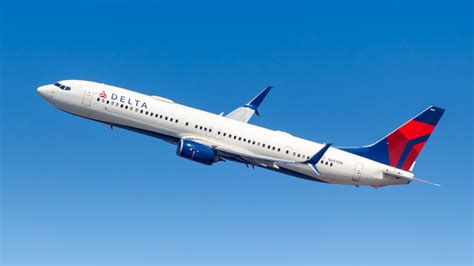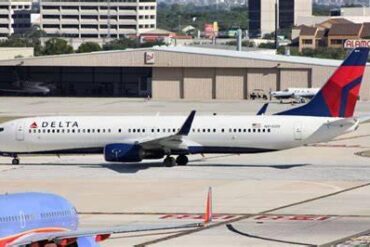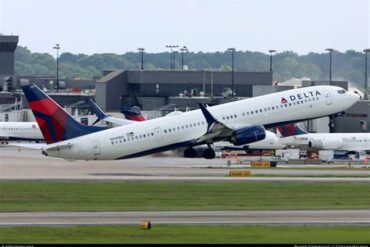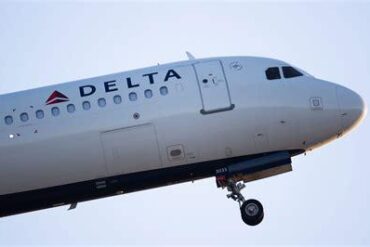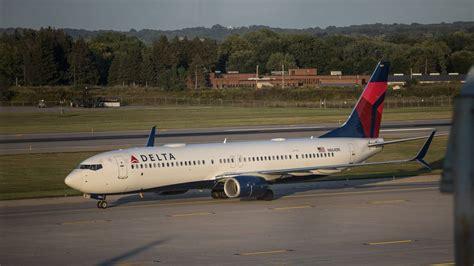
Delta Air Lines demonstrated remarkable efficiency earlier this week when one of its Boeing 737-900ER aircraft, registration N833DN, experienced a right-hand engine failure shortly after departure from Philadelphia International Airport (PHL) on a flight to Minneapolis-St. Paul International Airport (MSP). Flight DL2791, carrying 128 passengers, had pushed back from the gate at 5:36 AM on May 25 and departed from runway 09L. The crew reported a malfunction in the right-hand CFM56-7BE engine at 14,000 feet, prompting an immediate cessation of the climb and a return to Philadelphia. The aircraft landed safely approximately 25 minutes after takeoff, with airport emergency services standing by as a precaution. Passengers were deplaned and rebooked onto alternative flights, ensuring minimal disruption to their itineraries.
The incident highlights the high-stakes environment of modern airline operations, where technical failures must be managed with both precision and speed. Once on the ground, N833DN was moved to the apron for a thorough inspection and expedited repair of its engine. Flight tracking data confirms that the aircraft remained grounded for less than 48 hours. By the evening of May 26, the 737-900ER was cleared to operate, departing Philadelphia at 8:21 PM for a two-hour journey to Delta’s hub at Hartsfield-Jackson Atlanta International Airport (ATL), arriving at 10:21 PM. Since then, the aircraft has resumed normal operations, frequently completing up to six sectors per day, underscoring Delta’s capability to swiftly restore critical fleet assets.
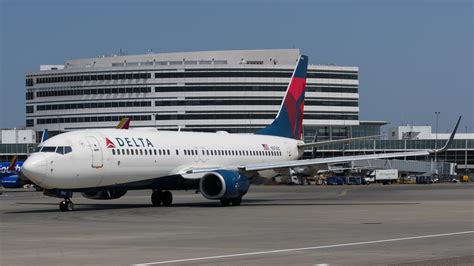
The aircraft involved, N833DN, is a Boeing 737-900ER with serial number 31944 and line number 5250. Delivered to Delta in January 2015 after its first test flight, it has been a reliable component of the airline’s narrowbody fleet for over 11 years. Configured to accommodate 180 passengers, it features 20 seats in domestic First Class and 160 in the Main Cabin. Powered by two CFM56-7BE engines, the 737-900ER remains one of Delta’s most utilized narrowbody aircraft, complementing other fleet types including the 737-800, 717-200, and various Airbus A220 and A320 models. The rapid turnaround of N833DN ensured that Delta’s operations faced minimal disruption, with the aircraft scheduled for multiple subsequent flights in the days following the repair.
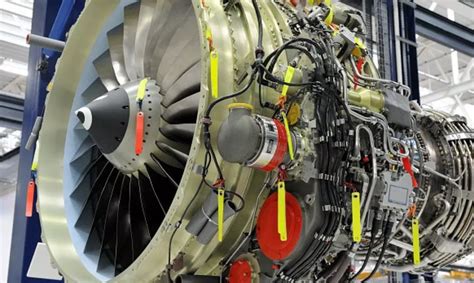
While the exact cause of the engine failure has not been publicly disclosed, common factors in such incidents typically involve low or degraded oil leading to improper lubrication, coolant leaks resulting in overheating, or abnormal combustion events such as detonation. Additional possibilities include ignition system malfunctions or fuel contamination. Regardless of the root cause, the response by Delta’s maintenance teams reflects a highly coordinated effort to diagnose, repair, and certify the aircraft for service in record time. Aviation safety protocols mandate a meticulous inspection, testing, and certification process for any engine anomaly, particularly in high-capacity commercial jets, making the under-48-hour return to service particularly notable.
Delta’s swift action serves as a testament to the airline’s operational resilience. The decision to repair and return N833DN to service quickly not only mitigated the disruption to passengers but also minimized revenue impact. This efficiency demonstrates the strategic value of having highly trained maintenance crews, robust spare parts inventories, and streamlined procedures for rapid troubleshooting. Airlines worldwide monitor such rapid-response scenarios as benchmarks for best practices in fleet reliability management.
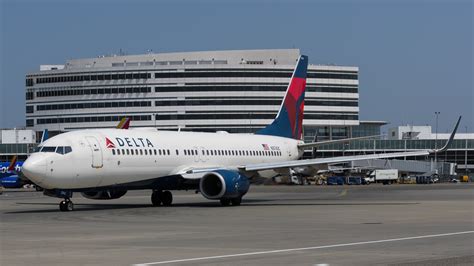
Beyond the immediate operational implications, incidents like this highlight the engineering robustness of the Boeing 737-900ER platform. Despite the engine failure, the aircraft’s redundant systems ensured a safe return to the airport, allowing the crew to land without incident. The rapid repair and return to service also reflect the enduring reliability of the CFM56 series engines, widely used in global commercial aviation for their durability and efficiency.
For Delta Air Lines, N833DN’s recovery underscores both technical competence and organizational agility. The aircraft has since resumed its scheduled service without interruption, including flights from Sacramento International Airport (SMF) to Atlanta, followed by onward service to Chicago O’Hare International Airport (ORD). The speed and professionalism exhibited in this incident reinforce confidence among passengers and industry observers that Delta maintains rigorous standards for safety, reliability, and operational continuity.
This episode also serves as a subtle reminder of the critical role that ground crews and engineers play in airline operations. Their expertise ensures that even unexpected engine failures can be resolved promptly, safeguarding both passengers and the airline’s operational integrity. With N833DN back in the air, Delta continues to demonstrate that rapid response, technical proficiency, and strategic planning are essential pillars of modern commercial aviation.