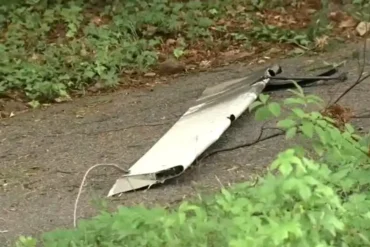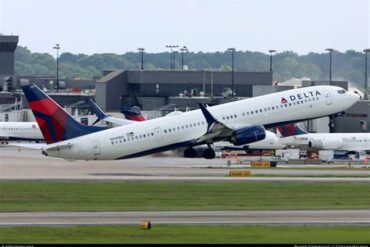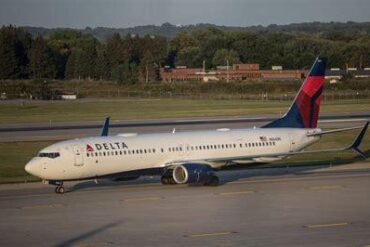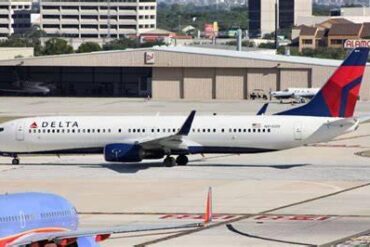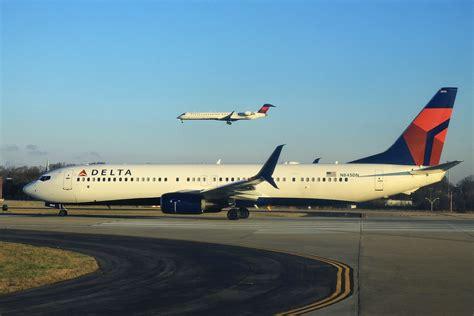
In a startling and rare incident in Raleigh, North Carolina, a large component of an aircraft believed to be a wing flap detached from a Delta Air Lines Boeing 737-900ER and landed in a residential driveway. The Federal Aviation Administration (FAA) and Delta have launched a full investigation into how the part, believed to be from aircraft registration N940DU, came off mid-flight.
The occurrence took place on the morning of Wednesday, July 2, when Raleigh police responded to an emergency 911 call reporting an unusual piece of debris obstructing a homeowner’s driveway. Upon inspection, the object was determined to be part of the left trailing edge flap of a commercial airliner. Though the object landed in a residential area, no injuries or property damage were reported.
The Aircraft and Flight DL3247
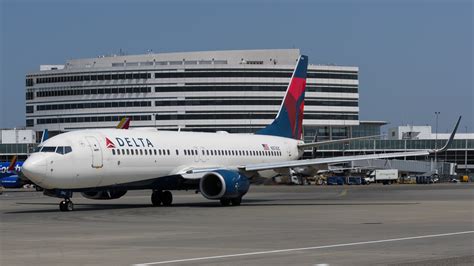
The aircraft involved in the incident was operating as Delta flight DL3247, a late-night service from Hartsfield-Jackson Atlanta International Airport (ATL) to Raleigh-Durham International Airport (RDU). While the flight reportedly landed safely at 00:24 local time, the falling debris was not discovered until several hours later. A section of the flap, measuring several feet long, was removed from the driveway at approximately 12:30 p.m.
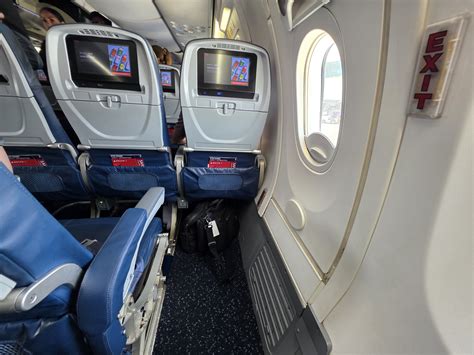
This particular 737-900ER is not a standard Delta configuration. The aircraft, N940DU, is part of the airline’s “73R” subfleet. These jets were formerly operated by Lion Air, and still carry their original cabin layout—12 first-class and 161 economy seats. Though integrated into Delta’s operations, these aircraft maintain a different internal structure and slightly altered mechanical configurations from Delta’s mainline 737-900ER fleet.
Following the incident, N940DU was grounded and remains at Raleigh–Durham International Airport. Sources confirm that the aircraft has not operated any further flights since the incident, and its near-term return to service remains uncertain.
What Happened on Final Approach?
All signs indicate that the flap component detached during final approach, just before the aircraft landed. Given that the 737-900ER landed without any reported issues or warnings from the flight crew, it is presumed that the separation did not cause an immediate safety risk.
Aviation attorney James Crouse weighed in on the situation, explaining:
“You can land an aircraft with this component missing and land it safely.”
Indeed, trailing edge flaps play a critical role during landing and takeoff by increasing lift and reducing stall speeds. However, the aircraft is still capable of completing a flight without one, particularly under manual operation and favorable landing conditions.
FAA and Delta Response
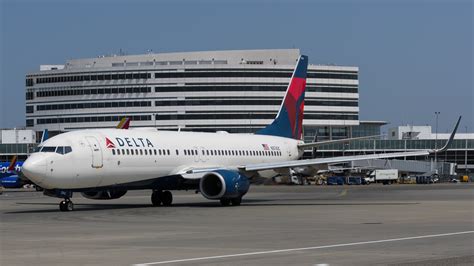
The FAA is working closely with Delta Air Lines to determine the root cause of the part’s separation. Investigators are focusing on several possible causes:
- Structural fatigue or corrosion at attachment points
- Improper prior maintenance or inspection procedures
- Vibration-induced hardware loosening
- A one-off mechanical failure unique to the aircraft
While Delta TechOps, Delta’s in-house maintenance and engineering division, operates a facility at Raleigh–Durham, no definitive repair schedule has been announced. Though Flightradar24 suggests the aircraft may resume operations on July 3, industry experts caution that such estimates are provisional and depend entirely on the results of structural inspections.
The recovered flap piece is expected to play a pivotal role in diagnostics, allowing technicians to analyze any fracture patterns, stress indicators, or mounting failures. With the part in possession, the FAA can examine whether design flaws or maintenance oversight were involved.
No Disruption to Passenger Safety or Operations
Despite the high-profile nature of the event, Delta’s overall operations have not been impacted. DL3247 was the final Atlanta-to-Raleigh service on Tuesday night and carried 115 passengers, all of whom disembarked safely. No mechanical alert or warning was relayed to the pilots indicating flap failure.
That being said, the presence of a critical wing component on a residential property has understandably raised concerns among aviation watchdogs and frequent travelers alike. The event has added fuel to the broader conversation about aging aircraft components, especially among older subfleets integrated into newer airline operations.
A Pattern of Recent Component Failures
The aviation industry has witnessed a series of unrelated yet disturbing mechanical component failures in recent months. Just earlier this year:
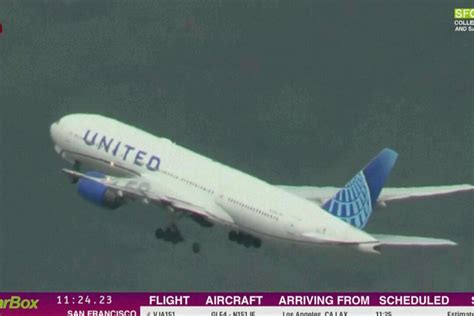
- On March 7, 2024, a United Airlines Boeing 777 lost a wheel during takeoff from San Francisco, which landed in an airport parking lot, damaging several vehicles.
- A few months later, another United 757-200 lost a tire departing Los Angeles, although no injuries were reported.
Investigations into both cases revealed no systemic maintenance failures, suggesting those incidents were isolated mechanical faults.
The current Delta 737 event may follow a similar trajectory, although questions remain around whether the former Lion Air configuration contributed in any way to the issue. Delta maintains an impeccable maintenance record overall, ranking among the safest full-service airlines globally.
The Role of Maintenance and Inspection Protocols
One of the key areas under scrutiny will be Delta’s maintenance schedule, particularly the intervals at which flap mechanisms are inspected, lubricated, and stress-tested. The 737-900ER, while newer than many aircraft models in service today, still requires frequent inspections of control surfaces, including:
- Flap tracks and rollers
- Hydraulic actuators
- Fasteners and mounting brackets
- Cable tension systems
Should the FAA determine any gaps in protocol, Delta would be mandated to amend its Airworthiness Directives (ADs) or Maintenance Steering Group (MSG-3) program schedules accordingly. That said, preliminary indicators suggest this is a one-off mechanical anomaly rather than a widespread issue.
Why This Matters: Implications for Public Confidence and Fleet Integrity
While aviation remains statistically the safest mode of travel, highly visible incidents like this test public trust. The image of a wing part on a suburban driveway is compelling and potentially unsettling. Fortunately, the layered safety mechanisms of modern aircraft—combined with highly trained flight crews—ensured that no harm came to passengers, crew, or those on the ground.
Still, it is a stark reminder of why routine mechanical integrity cannot be taken for granted, even in a highly regulated and technologically advanced industry like commercial aviation.
Next Steps: Awaiting Final Findings
As of now, N940DU remains on the ground at RDU, pending completion of structural inspections, part replacement, and recertification. Once cleared, it may return to Delta’s mainline operations without issue. However, the event has prompted renewed calls within the aviation industry to evaluate component wear in aging or reconfigured fleets.
The final investigation report, likely to be released in cooperation with Delta, FAA, and Boeing, will offer the clearest insight into the root cause of this rare but impactful failure. In the meantime, travelers and industry insiders alike will be watching closely as the airline and regulators work to ensure such a bizarre episode doesn’t recur in the skies above America’s homes.