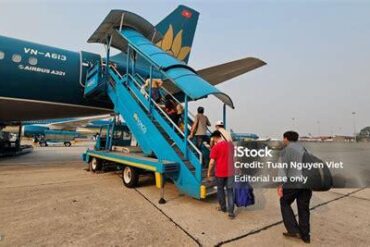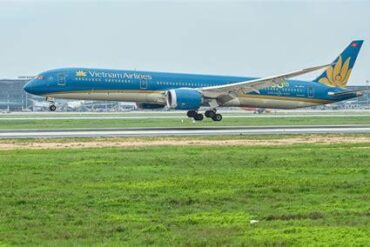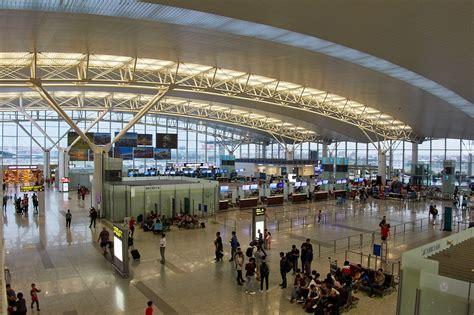
On June 27, 2025, a rare and serious incident occurred at Noi Bai International Airport in Hanoi, marking a significant disruption to Vietnam’s aviation operations. Two Vietnam Airlines aircraft—a Boeing 787-9 Dreamliner (registration VN-A863) and an Airbus A321 (registration VN-A338)—were involved in a ground collision, triggering a comprehensive investigation led by the Civil Aviation Authority of Vietnam (CAAV). While no injuries were reported, the incident damaged both aircraft and severely disrupted domestic air traffic.
Collision Details: Routine Taxi Turns Risky
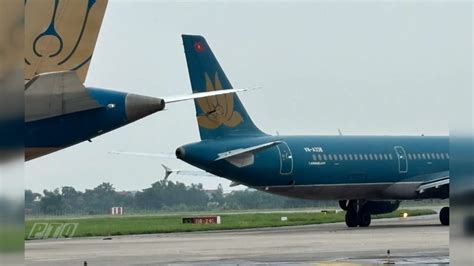
Initial reports indicate that the right wingtip of VN-A863 struck the vertical stabilizer and rudder of VN-A338 as both aircraft were taxiing on the apron. The incident occurred under clear weather conditions, eliminating visibility or environmental factors as immediate causes. Although air traffic was normal and no mechanical failure has been cited so far, the circumstances surrounding the planes’ movements remain under intense scrutiny.
This occurrence not only rendered both aircraft temporarily inoperable, but also caused a ripple effect of delays and cancellations across Vietnam Airlines’ network. High-demand domestic routes to Ho Chi Minh City and Dien Bien were among those impacted. Passengers were left stranded or forced into rebooking queues as airline staff scrambled to mitigate service interruptions.
Emergency Response and Containment
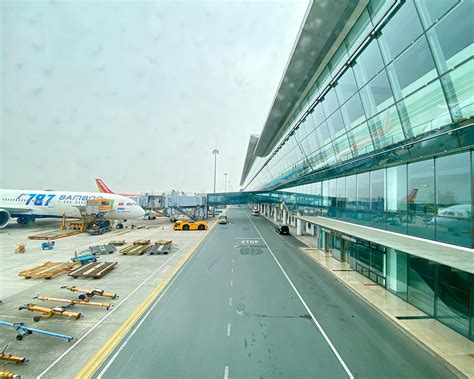
Emergency response at Noi Bai International Airport was swift and well-coordinated. The Northern Airport Authority, in tandem with ground services and aviation emergency units, secured the site within minutes. According to official statements, the collision scene was safely cleared by 3:25 p.m., allowing normal airport operations to resume quickly.
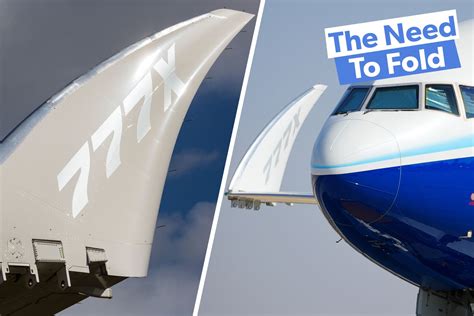
Both affected aircraft were immediately towed to maintenance hangars. Technicians and engineers began preliminary damage assessments the same day. While VN-A863’s wingtip showed visible structural damage, VN-A338’s vertical fin and rudder sustained more extensive impairment, raising questions about long-term repair feasibility versus full component replacement.
CAAV Investigation: Prioritizing Safety and Accountability
In response to the incident, the Civil Aviation Authority of Vietnam launched a full-scale investigation, notifying both the Ministry of Construction and the National Traffic Safety Committee. Initial phases focused on evidence collection and operational oversight. Flight data recorders (black boxes) from both aircraft were sealed and secured for forensic analysis.
Investigators are examining:
- Taxi route clearances
- Ground crew coordination logs
- Cockpit communication recordings
- GPS-based taxi movement data
- Air traffic control (ATC) instructions and timing logs
The flight data recorders will offer key insights into taxi speeds, braking activity, and possible cockpit alerts that might have been triggered prior to contact. These inputs are essential in building a minute-by-minute reconstruction of events.
Training, Communication, and Human Factors
Although the official cause has yet to be confirmed, preliminary observations lean toward human error or procedural lapse during ground movement. Vietnam’s aviation regulators have raised concerns about crew situational awareness and ground handling protocols. Special attention is being given to the ground crew’s role in managing aircraft movement in congested apron zones.
The incident underscores the need for:
- Rigorous protocol adherence during ground taxi operations
- Enhanced situational training for flight crews and ground personnel
- Improved ATC-ground-crew coordination tools
The CAAV emphasized that ground operations, though often overlooked in aviation safety discussions, are a critical frontier of operational integrity. Errors during taxi and apron turns—especially involving wide-body aircraft like the 787-9—can result in damages with long-term economic and reputational impact.
Aircraft Grounding and Repair Procedures
As of this report, both VN-A863 and VN-A338 remain grounded for inspection and repair. Vietnam Airlines has confirmed that both aircraft were removed from scheduled operations immediately following the collision. Repair assessments are underway to determine:
- Wing structural integrity on the 787-9
- Vertical stabilizer alignment and rudder operability on the A321
Experts from Vietnam Airlines’ engineering division are working with Boeing and Airbus-certified technicians to oversee repairs, which are expected to take several weeks, depending on part availability and structural diagnostics.
Passenger Fallout and Operational Repercussions
The collision triggered widespread flight disruptions, affecting hundreds of travelers. Vietnam Airlines rerouted passengers via alternative flights and partner carriers, but the domestic network experienced noticeable delays through the weekend. Affected routes include key city pairs such as:
- Hanoi – Ho Chi Minh City
- Hanoi – Da Nang
- Hanoi – Dien Bien
Passenger reactions were mixed. While many acknowledged the airline’s swift response and transparent communication, others criticized the lack of immediate compensation or alternative accommodations, particularly for time-sensitive travelers.
Long-Term Implications for Vietnamese Aviation
This incident has spurred a nationwide discussion on aviation safety standards and airport ground management in Vietnam. The CAAV has committed to releasing a full report detailing causes, contributing factors, and suggested improvements. Aviation stakeholders anticipate the report will also:
- Review Noi Bai Airport’s current ground traffic monitoring system
- Recommend updated training for ground crew and pilots
- Introduce new taxi route mapping procedures
- Evaluate emergency protocol compliance
As Vietnam’s aviation sector continues its post-pandemic recovery and expansion, incidents like this highlight the urgent need to invest not just in airframe acquisition and route development, but in safety infrastructure and human resource training. Noi Bai, as one of the country’s busiest airports, serves as a bellwether for broader national aviation performance.
Global Attention and Industry Reflection
International aviation authorities, including the International Civil Aviation Organization (ICAO) and regional safety boards, are observing the developments closely. While the incident is localized, it raises global concerns over apron management in airports with increasing traffic and limited ground space.
Similar incidents in the past—from Frankfurt to Jakarta—have underscored how ground collisions often stem from cumulative, minor misjudgments rather than single points of failure. For emerging aviation markets, such as Vietnam, this presents a vital learning opportunity.
Awaiting Final Report and Policy Changes
The CAAV’s final report, expected later this year, will likely form the basis for new regulatory measures not just at Noi Bai, but across Vietnam’s 22 commercial airports. Vietnam Airlines, for its part, has pledged full cooperation and emphasized that safety remains a non-negotiable priority.
Meanwhile, aviation experts are calling for:
- Third-party audits of ground operations
- Real-time taxi conflict detection systems
- Reinforcement of apron lighting and signage
- Routine drills simulating multi-aircraft taxi scenarios
Conclusion: A Wake-Up Call for Ground Operations Safety
While the absence of injuries offers some relief, the collision at Noi Bai International Airport is far from a minor hiccup. It represents a pivotal moment in Vietnam’s aviation oversight, where lapses in ground coordination translated into serious operational fallout. As the CAAV delves deeper into root causes and systemic vulnerabilities, the entire aviation ecosystem—airlines, airports, regulators—must reflect, recalibrate, and respond.
The coming months will test Vietnam’s ability to not only diagnose this failure but to convert it into meaningful, lasting improvements. The outcome of this investigation could well redefine aviation safety protocols in Southeast Asia, making it a case study for years to come.