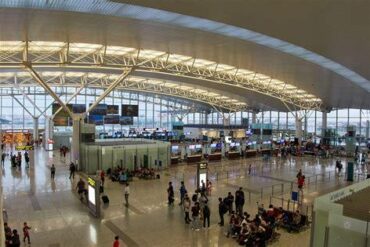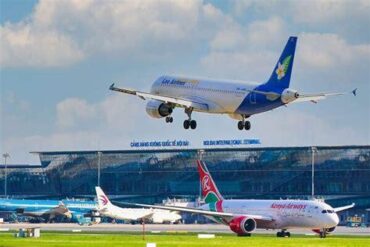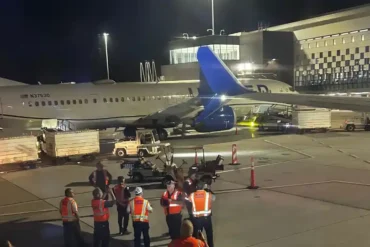
On the afternoon of June 27, 2025, a potentially disastrous incident unfolded at Hanoi’s Noi Bai International Airport, one of Southeast Asia’s busiest aviation hubs. Two Vietnam Airlines aircraft collided on the taxiway, raising immediate alarms over ground safety protocols but, miraculously, resulted in no injuries. The event caused a temporary halt in operations, prompted a rapid response from emergency teams, and initiated a high-level investigation by the Vietnam Civil Aviation Authority (CAAV).
Collision on the Tarmac: What Happened at Noi Bai Airport
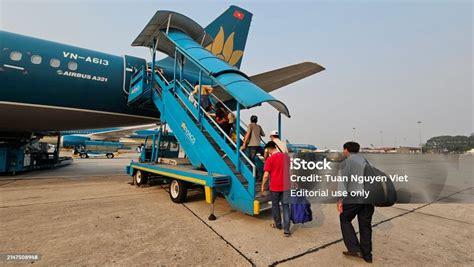
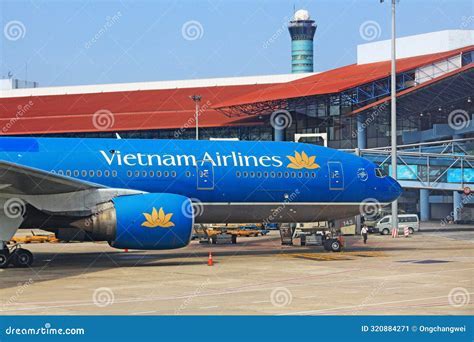
At approximately 2:00 PM local time, Vietnam Airlines flight VN-A863, a Boeing 787-9 Dreamliner, was taxiing in preparation for its departure to Ho Chi Minh City. Simultaneously, Vietnam Airlines flight VN-A338, an Airbus A321 bound for Dien Bien, was also on the move along an adjacent taxiway. The Dreamliner, maneuvering toward the S3 and S taxiway intersection, came into contact with the Airbus, clipping the vertical stabilizer of the smaller aircraft with its right wingtip.
The impact was significant enough to scatter debris across the tarmac, but not strong enough to injure any of the 386 passengers combined. The Boeing had 259 passengers, while the Airbus carried 127. Ground crews responded immediately, executing a safe and orderly evacuation and transferring all passengers and baggage back to Terminal 1, where they were provided alternate arrangements for their journeys.
Swift Evacuation and Operational Containment
Within minutes of the incident, ground personnel from both the airport and airline initiated emergency response protocols. Both aircraft were towed to remote stands to prevent further disruption, allowing the critical taxiway zones to be cleared and cleaned.
Vietnam Airlines, in cooperation with Noi Bai airport staff, ensured the continuity of operations. Though the collision caused momentary delays in scheduled departures, no significant cancellations were reported. The taxiways S and S3, the location of the incident, were declared safe for use shortly after cleanup operations concluded.
First Impressions: What May Have Gone Wrong
While investigations are ongoing, early indicators suggest positioning error may have played a role. Initial findings by the Vietnam Civil Aviation Authority (CAAV) point to a possible misalignment by the Airbus A321, which may not have been correctly situated at the designated holding point on taxiway S3. This oversight might have brought it too far into the taxiway, creating an unexpected obstruction for the Dreamliner during its taxi sequence.
An official from CAAV stated, “The investigation is still in its early stages, and we are collaborating with Vietnam Airlines and airport personnel to piece together the exact sequence of events. Our priority remains the enhancement of ground safety procedures to avoid a recurrence.”
Accountability and Safety Protocols Under Scrutiny
As a precautionary measure, four pilots involved in the operations of the two aircraft have been temporarily suspended pending the outcome of the investigation. Vietnam Airlines emphasized its commitment to full transparency and cooperation, signaling its intent to support the findings and implement any necessary recommendations.
The airline has a strong safety record and took the unusual step of proactively communicating updates with the media and affected passengers, ensuring clarity and reducing panic. By grounding the aircraft, beginning structural inspections, and initiating internal safety reviews, Vietnam Airlines aims to reinforce public confidence in its operations.
Passenger Welfare: A Priority Amid Crisis
Although the collision was jarring, passenger feedback reflects a largely positive response to how the aftermath was handled. Evacuees were promptly offered alternate flights, with many rebooked within hours. Customer service teams were deployed to assist with travel arrangements, distribute refreshments, and provide accommodation to those who experienced longer delays.
In a public statement, Vietnam Airlines reassured all travelers that “safety and comfort remain the pillars” of their service commitment. The airline also pledged to review and update their Standard Operating Procedures (SOPs) to reflect the new realities of operating in high-traffic environments like Noi Bai.
Ground Safety in Busy Airports: A Growing Concern
This incident draws attention to a frequently overlooked but crucial aspect of air travel—ground operations safety. With rising global aviation traffic and the resurgence of post-pandemic travel, the density of aircraft movement on taxiways has grown significantly.
Taxiway congestion, human miscommunication, and minor procedural lapses can lead to catastrophic outcomes if not mitigated effectively. Experts suggest that increased investments in surface radar systems, automated hold point warnings, and real-time ground control monitoring could provide essential safety layers.
The Larger Implications for Vietnam’s Aviation Sector
The Vietnam Civil Aviation Authority is now under pressure to modernize airfield protocols and strengthen crew training requirements. Noi Bai, as the nation’s second-busiest airport after Tan Son Nhat in Ho Chi Minh City, is particularly vulnerable to the challenges posed by tight turnaround schedules and parallel departures.
This incident may accelerate Vietnam’s push toward implementing next-generation airport technologies, including:
- Digitalized ground guidance systems
- Taxiway incursion detection
- Advanced Flight Deck Moving Map Displays
- Remote Air Traffic Control towers
The lessons from this event are already influencing discussions within Southeast Asian aviation circles, especially as the region prepares for a boom in tourism and air cargo traffic.
Technical Damage and Aircraft Assessment
From a technical perspective, the Boeing 787-9 Dreamliner (VN-A863) suffered damage to its right wingtip, a structurally critical area that affects lift control and balance. The Airbus A321 (VN-A338) experienced more visible external damage—its vertical stabilizer, which ensures directional stability during flight, was significantly compromised.
Both aircraft are now undergoing extensive technical inspections, including fuselage integrity assessments, avionics checks, and stress testing on affected parts. It remains unclear whether either aircraft will return to service soon or be subjected to prolonged maintenance.
Transparency, Trust, and the Path Forward
Vietnam Airlines, to its credit, has maintained complete transparency throughout the event. The airline has released a series of real-time updates, opened dedicated customer hotlines, and offered interviews with senior officials to address public concern.
The incident, though alarming, serves as a teachable moment in aviation logistics. As the aviation world watches closely, the findings from the CAAV and subsequent reforms at Noi Bai could establish a regional benchmark for crisis response and ground safety modernization.
Conclusion: Crisis Averted, But Safety Demands Reinforcement
The ground collision between two Vietnam Airlines planes at Noi Bai International Airport stands as a stark reminder of the complex choreography involved in managing airport operations. Though passengers were unharmed and disruption was limited, the event exposed vulnerabilities in ground movement oversight that must be addressed.
Fortunately, the incident was handled with exceptional professionalism. Passengers were safely evacuated, flights were rapidly rescheduled, and operations resumed within hours. However, the true success of this incident will be measured in how swiftly and thoroughly the aviation sector acts upon the investigation’s findings.
As authorities dig deeper into the causes and issue their final report, Vietnam’s aviation sector faces a turning point. Strengthening ground communication systems, retraining flight crews, and upgrading taxiway infrastructure are no longer optional—they are imperatives for the safety of millions of travelers passing through the country’s airports each year.