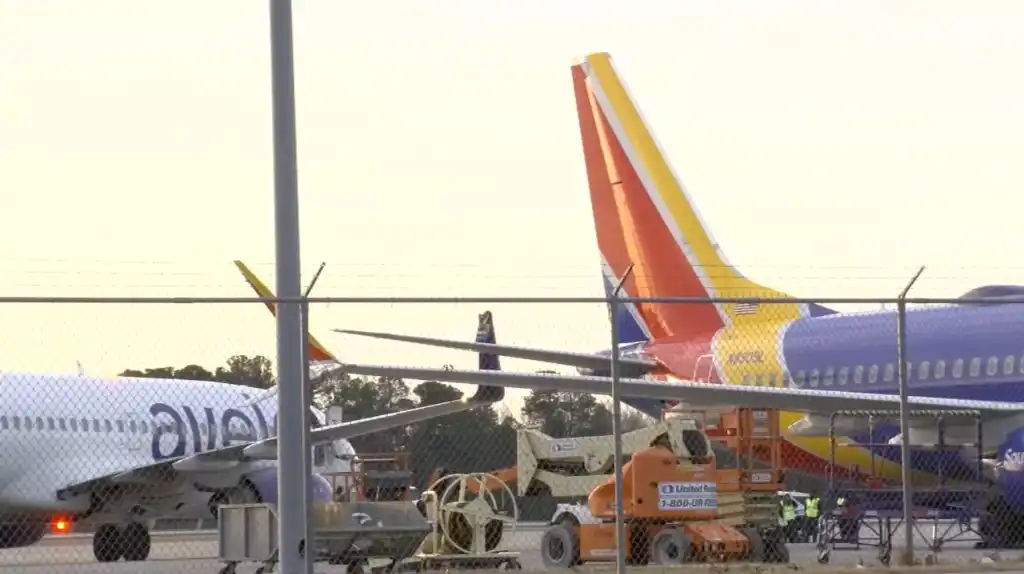
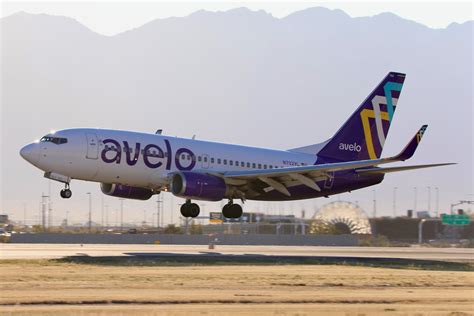
On the quiet morning of January 1, 2026, what should have been a routine ground maneuver turned into an operational disruption at Raleigh–Durham International Airport (RDU). An Avelo Airlines Boeing 737-700, identified as N707VL, was being towed from a remote stand toward Terminal One, preparing for a scheduled departure to New Haven. During this tow, its right winglet clipped the right horizontal stabilizer of a Southwest Airlines Boeing 737 MAX 8, registered as N8909L, which was stationary and had no flights scheduled for the day.
Details of the Ground Collision at Raleigh–Durham
The early hours of the new year brought an unexpected hiccup to Avelo’s operations. Ground personnel were maneuvering N707VL, which had been parked overnight. This tow operation, while typically straightforward, ended in a costly mistake as the aircraft’s right wingtip made contact with the horizontal stabilizer of the nearby Southwest jet.
No one was aboard either aircraft at the time of the collision, and there were no injuries reported. However, the incident led to the immediate grounding of both jets and the cancellation of Avelo’s scheduled flight XP676 to New Haven, causing significant disruption for passengers.
Avelo had another 737-700 scheduled to operate a later flight to New Haven, but given the limited seating and last-minute nature of the cancellation, many travelers were likely forced to seek rebooking options or claim compensation.
Extent of the Damage and Airline Responses
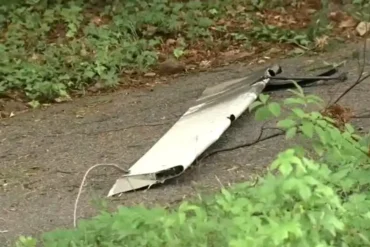
Initial visual assessments indicate that Avelo’s aircraft suffered minor winglet damage, a comparatively small issue in the realm of aircraft repairs. Fortunately for the airline, RDU is a maintenance base for Avelo, meaning access to parts and personnel is immediate. As a result, the aircraft is expected to return to service promptly, minimizing long-term impact.
Southwest Airlines faces a more complex challenge. The collision left damage to the horizontal stabilizer of the 737 MAX 8 — a crucial aerodynamic surface that contributes to pitch control and overall flight stability. Repairs to stabilizers are more intricate and regulated than wingtip replacements. Moreover, Southwest lacks a maintenance base at RDU, presenting logistical hurdles.
Options for Southwest include:
- Dispatching a mobile repair team to RDU.
- Ferrying the aircraft to a certified maintenance base once deemed safe for flight.
Either approach involves considerable time and cost, not to mention the loss of aircraft availability for scheduled rotations.
Operational Impacts and Financial Implications
From an operational standpoint, Avelo Airlines bore the immediate cost of a cancelled flight, which encompasses not only lost revenue but also passenger compensation, crew rescheduling, and potentially rerouting baggage. The airline operates a lean fleet, so equipment swaps are not always viable. This reinforces how even a minor ground incident can cascade into broader service disruption.
For Southwest Airlines, though the aircraft wasn’t scheduled to fly on January 1, its unavailability could influence future schedules depending on how long the aircraft remains out of service. With tight aircraft utilization rates across the U.S. domestic market, any unplanned downtime can reverberate throughout an airline’s network.
Human Error and Ground Crew Protocols Under Scrutiny
This incident, while not uncommon in aviation, adds to a growing list of ground collisions that plagued U.S. airports in 2025. These collisions are not caused by aircraft in motion during taxi or flight, but rather by ground operations — tows, pushbacks, and maintenance maneuvers — where human error often plays a central role.
In this particular case, initial signs suggest a breakdown in ground handling protocol. Whether it was miscommunication, poor visibility, or inattentiveness, the outcome reflects a need for enhanced oversight and possibly retraining. Airports and airlines share responsibility in ensuring that such routine procedures are executed with precision.
A Troubling Pattern of Ground Incidents
The RDU incident echoes several similar events from recent months, signaling a potential systemic issue:
- November 2025: Two United Airlines 737-900ERs collided wingtips while pushing back at Houston George Bush Intercontinental Airport.
- October 2025: A United 737-700 struck the tail of a parked 767-300ER at Chicago O’Hare.
- October 2025: Two Delta Connection CRJ900s collided on the ground, injuring a flight attendant.
- September 2025: At San Francisco International, a United 737’s wingtip clipped the tail of another parked 737.
These incidents reveal a troubling trend that cannot be dismissed as isolated lapses. Whether due to rushed ground operations, over-reliance on automation, or inadequate training, the frequency and cost of these accidents are becoming significant.
FAA Oversight and Industry-Wide Implications
While none of the recent ground collisions, including the one at Raleigh–Durham, resulted in injuries, they pose serious questions for aviation safety regulators. The Federal Aviation Administration (FAA) routinely monitors ground incidents, and clusters of similar events could trigger reviews or updated guidance for ground handling.
Insurers are also likely to take note. Ground damage claims, especially involving major carriers and newer aircraft like the 737 MAX 8, carry high repair costs and downtime expenses. This could drive up premiums or lead to more stringent contract terms between airlines and ground handling subcontractors.
Passenger Experience and Trust
Though passengers weren’t onboard during the collision, the downstream effect was felt immediately by those booked on Avelo’s now-cancelled flight. In an industry where customer trust is paramount, even behind-the-scenes incidents can shape public perception — especially if they lead to delays, cancellations, or poor handling of affected travelers.
Modern travelers have grown increasingly vocal, especially on social media, amplifying the visibility of even small operational hiccups. In this environment, quick communication, proactive rebooking, and transparent apologies are key for maintaining brand reputation.
Looking Ahead: Preventing Repeat Incidents
In light of this and similar events, both airlines and airport authorities must prioritize robust ground crew training, invest in real-time situational awareness tools, and implement better towing safeguards such as:
- Enhanced use of GPS-based aircraft tracking on ramps.
- Use of wingtip and stabilizer guards during narrow maneuvers.
- Reinforced communication protocols between ground crew and tower operations.
The Raleigh–Durham incident serves as a stark reminder that even the best-maintained aircraft are vulnerable when human error enters the equation. Aircraft safety is not just about flight — it begins and ends on the ground.
Conclusion: A Wake-Up Call for Ground Operations
The collision between Avelo’s 737-700 and Southwest’s 737 MAX 8 may not have made national headlines, but it reflects broader vulnerabilities in the ecosystem of airport logistics. As carriers face increasing demand and tighter turnaround times, the safety of aircraft on the ground must be treated with the same gravity as in the air.
Both Avelo and Southwest will recover from this incident. Yet, the lesson remains: in aviation, every inch matters — on the runway, in the air, and certainly on the ramp.