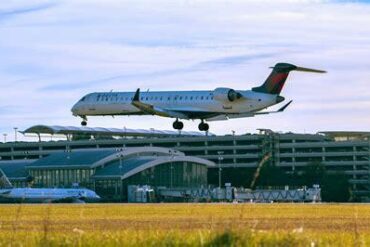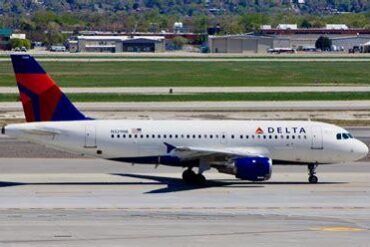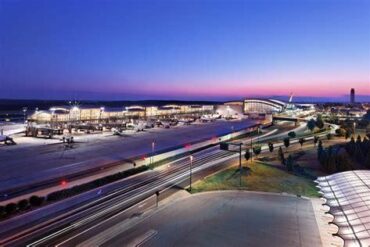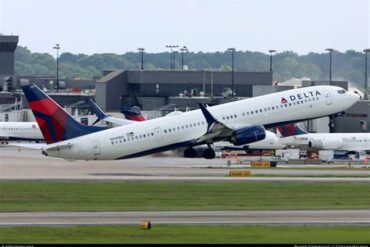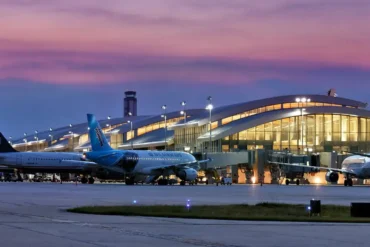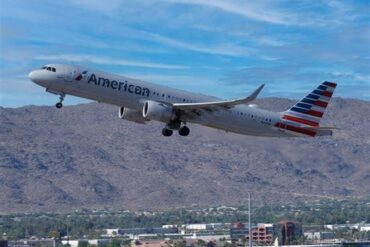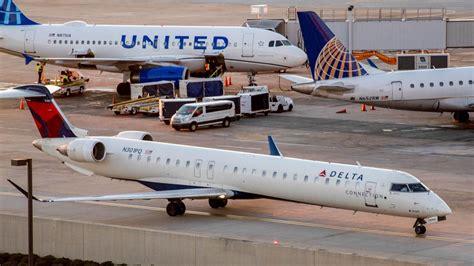
The aviation landscape at Raleigh-Durham International Airport (RDU) has witnessed a dramatic shift as Delta Air Lines successfully reclaims its position as the dominant carrier, overtaking American Airlines in a closely contested battle for market supremacy. This strategic victory represents more than just numerical superiority; it underscores the intense competition for control of one of America’s fastest-growing aviation markets, where passenger traffic has surged from 10 million to nearly 16 million over the past decade.
The competition between these aviation giants has been nothing short of extraordinary, with market share differences measured in fractions of percentage points. Throughout 2024, American Airlines maintained a razor-thin advantage over Delta, leading by less than 1% in overall market share. However, the tide has turned decisively in Delta’s favor as 2026 data reveals the Atlanta-based carrier has successfully executed a strategic expansion that positions it firmly at the top of the RDU hierarchy.
Delta’s resurgence at RDU represents a calculated response to the airport’s remarkable growth trajectory and the lucrative opportunities within North Carolina’s Research Triangle region. The carrier’s commitment to this market extends beyond mere capacity additions, encompassing a comprehensive strategy that leverages its extensive network capabilities and operational expertise to capture the growing demand from this economically vibrant region.
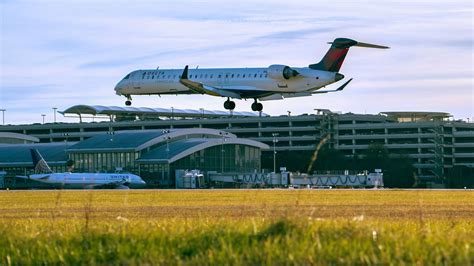
Delta’s Strategic Market Positioning at RDU
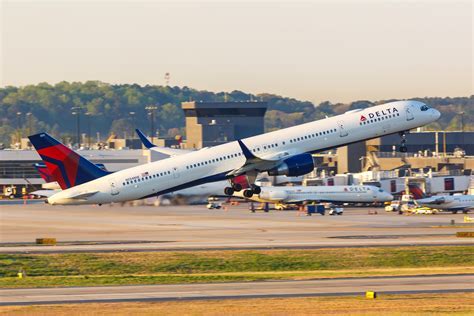
The current competitive landscape at Raleigh-Durham International Airport demonstrates Delta’s methodical approach to market dominance. According to Cirium data for Q1 2026, Delta operates an impressive 106 daily flights, commanding a 28.5% market share that narrowly surpasses American Airlines’ 104 daily flights and 28.1% market share. This translates to over 9,400 flights operated by Delta during the first quarter, representing a strategic investment in maintaining connectivity between RDU and Delta’s extensive domestic and international network.
The margin of victory, while slim at approximately 150 additional flights, reflects the precision required in modern airline competition. Delta’s tactical expansion includes new daily service to Indianapolis and Kansas City, complemented by weekly flights to San Juan, Puerto Rico. These route additions demonstrate the carrier’s understanding of both business travel demand and leisure market opportunities emanating from the Research Triangle region.
American Airlines, despite its proximity advantage through the Charlotte hub located just 350 miles south, faces the challenge of competing against Delta’s comprehensive network strategy. The Charlotte-Raleigh corridor remains American’s strongest asset at RDU, with 10 daily round-trip flights forming the cornerstone of its operations. However, this regional focus contrasts with Delta’s broader network integration approach, which leverages multiple hub connections to provide passengers with extensive connectivity options.
Summer 2026 Schedule Reinforces Delta’s Leadership
The competitive dynamics intensify as both carriers prepare for the crucial summer travel season. Delta’s summer 2026 schedule demonstrates sustained commitment to market leadership, with planned operations of nearly 10,700 flights during Q3, equivalent to approximately 120 daily movements. This represents a marginal but significant increase in Delta’s market advantage, with American Airlines operating 250 fewer flights during the same period.
The Atlanta-Raleigh route expansion serves as the primary driver of Delta’s growth strategy, with service increasing to 12 daily round trips for the summer schedule. This route enhancement reflects Delta’s ability to leverage its Atlanta hub’s connectivity advantages while responding to growing demand between these two southeastern markets. The strategic importance of this route extends beyond passenger numbers, as it provides Delta with operational flexibility and schedule optimization opportunities.
The competitive pressure generated by Delta’s route expansion has created ripple effects throughout the RDU market. Southwest Airlines, traditionally a strong competitor in southeastern markets, has eliminated its Atlanta-Raleigh service entirely, representing one of many route reductions the carrier is implementing across its network. This withdrawal illustrates how Delta’s strategic focus on key routes can effectively reshape competitive dynamics and consolidate market position.
Southwest’s broader retreat at RDU reflects the challenges facing low-cost carriers in markets where legacy airlines maintain strong hub-and-spoke advantages. The carrier’s current market share represents approximately half of its pre-pandemic levels, demonstrating how strategic competition from carriers like Delta can fundamentally alter market structures.
Breeze Airways Emerges as Unexpected Market Force
The RDU competitive landscape includes an intriguing development with Breeze Airways establishing itself as a significant player despite its relatively recent market entry. The carrier, which commenced RDU operations in 2023, has rapidly expanded to capture a 7.8% market share in Q1 2026, positioning itself as the fifth-largest carrier at the airport. This achievement becomes even more remarkable considering Breeze now operates the most nonstop destinations from RDU.
Breeze’s expansion strategy focuses on underserved markets and point-to-point connectivity, operating an average of 32 daily flights during summer 2026. This represents a substantial 37% increase over the previous year, demonstrating the carrier’s commitment to the Research Triangle market. The airline’s approach differs significantly from the hub-and-spoke strategies employed by Delta and American, instead targeting specific market opportunities that larger carriers may overlook.
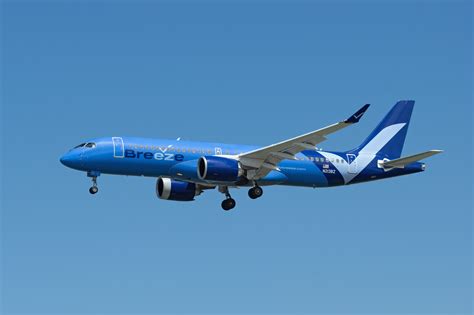
The carrier’s route network expansion includes six new destinations launching in the coming months, with particular significance attached to its first international services to Punta Cana and Montego Bay. These Caribbean destinations reflect Breeze’s understanding of leisure travel demand from the Research Triangle region, complementing domestic routes to Bangor, New York-Stewart, Vero Beach, and Orange County.
Breeze’s operational commitment to RDU extends beyond route additions, with the establishment of a crew base during Q1 2026 bringing approximately 200 pilot and flight attendant positions to the region. This investment demonstrates confidence in long-term growth prospects and provides operational advantages through reduced positioning costs and improved schedule reliability.
Market Consolidation and Competitive Dynamics
The evolving competitive landscape at RDU reflects broader industry trends toward market consolidation and strategic focus. Avelo Airlines’ withdrawal from its RDU base operations, maintaining only two routes to New Haven and Rochester, illustrates the challenges facing smaller carriers in competing against established network airlines. The carrier’s reduction from nine destinations to two routes represents a significant market contraction that benefits remaining competitors.
These market dynamics create opportunities for established carriers like Delta and American to capture displaced passengers and strengthen their respective market positions. Delta’s success in reclaiming the top position at RDU demonstrates how strategic network planning, combined with operational excellence, can generate competitive advantages in contested markets.
The Research Triangle region’s economic growth continues driving aviation demand, with the area’s technology sector, research institutions, and pharmaceutical companies generating substantial business travel requirements. This economic foundation provides sustainable demand for airline services, making RDU an attractive market for continued investment and expansion.
Delta’s victory at RDU represents more than statistical achievement; it demonstrates the carrier’s ability to execute complex network strategies while maintaining operational efficiency. As the aviation industry continues evolving, the battle for RDU supremacy illustrates how legacy carriers must balance hub optimization, route network expansion, and competitive response to maintain market leadership in America’s fastest-growing aviation markets.