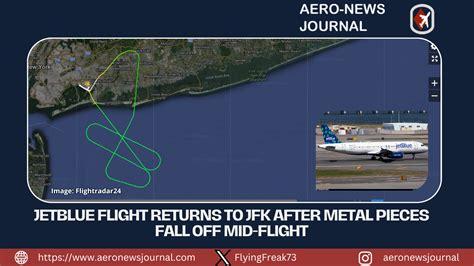
On the evening of July 15, 2025, a mid-air emergency forced JetBlue Airways Flight JBU637, an Airbus A321, to return to New York’s John F. Kennedy International Airport (JFK) shortly after takeoff. Bound for Santiago Cibao International Airport (STI) in the Dominican Republic, the aircraft encountered a critical engine failure that prompted the flight crew to declare an emergency and coordinate an urgent return.
Early Moments of the Crisis
At 8:23 p.m., Flight JBU637 departed from JFK under seemingly normal conditions. However, shortly after ascending beyond 6,000 feet, the crew identified a malfunction in engine number two—a stall that triggered a cascade of emergency protocols. Acting swiftly, the pilot and co-pilot decided to level the aircraft at 7,000 feet and requested immediate clearance to return to JFK.
The communication with air traffic control (ATC) was direct and urgent. The pilot issued a mayday call, clearly stating the situation and requesting a halt in the climb. The crew opted not to risk continuing the flight over the ocean, especially with an engine compromised so early in the journey. Safety, not schedule, took precedence.
Emergency Protocols Executed with Precision
In accordance with Federal Aviation Administration (FAA) procedures, the crew engaged the standby hydraulic system—a backup control measure critical in engine-out situations. Additionally, the aircraft initiated fuel dumping procedures, a standard tactic used to minimize fire risks by reducing the aircraft’s landing weight and volatility.
The JetBlue team operated with laser-sharp focus, executing checklists and monitoring systems. The quick decision to return, rather than attempt to limp to the Caribbean, avoided introducing risks associated with higher altitudes and trans-oceanic flight with a failed engine.
Seamless Communication with Air Traffic Control
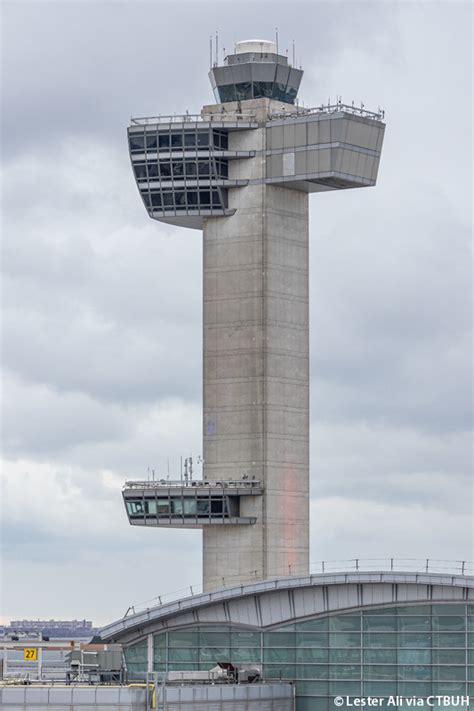
Throughout the incident, the JetBlue crew maintained seamless coordination with New York ATC, which provided real-time vectors for a safe RNAV (Area Navigation) approach to runway 31L. The crew requested a holding pattern to finalize emergency checklists and stabilize the aircraft for approach.
The ATC’s role in this event was pivotal. Every transmission, clearance, and runway configuration was managed with pinpoint accuracy. The decision to use runway 31L, often preferred for its precision guidance systems and accessibility, ensured the safest landing scenario under high-pressure conditions.
A Calm, Controlled Descent and Landing
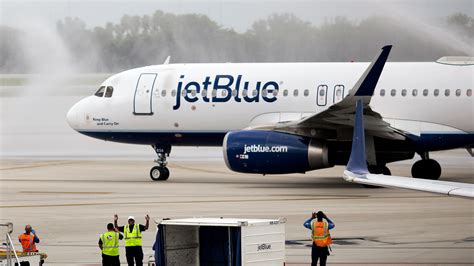
By the time the A321 descended to 4,000 feet, both cockpit crew and ground teams were fully synchronized. As the jet approached JFK, it became evident that the emergency landing would be successful. The aircraft touched down under its own power—despite the engine failure—and taxied to a remote stand where emergency services stood ready but ultimately were not needed.
All 191 passengers and crew members deplaned without injury. The professionalism on display—from the calm voice of the pilot to the preparedness of the ground teams—was a clear reminder of the rigorous training and procedural discipline that underpins modern aviation.
Aircraft Profile and Mechanical Specifics
The aircraft involved was a 6.7-year-old Airbus A321, powered by IAE V2500 engines. The no. 2 engine’s failure could have escalated into a much more serious incident had it not been for the rapid, structured response by the JetBlue team.
While the exact cause of the engine stall has not yet been publicly released, the aircraft will undergo a full inspection by JetBlue’s maintenance teams and potentially by FAA investigators to determine whether mechanical fatigue, component failure, or external factors were at play.

Lessons in Crisis Management and System Reliability
The incident stands as a case study in aviation crisis management. It highlights the multi-layered defense systems that protect passengers and crew during unforeseen mechanical failures. From pilot decision-making to ATC response and onboard system redundancies, every safeguard functioned as designed.
Even more importantly, this event underlines the importance of pilot training and emergency preparedness. It was not luck but protocol and professionalism that averted disaster. The JetBlue team showcased a textbook response—executing checklists, initiating communication, requesting a holding pattern, configuring the aircraft for one-engine landing, and ensuring safe evacuation.
The Human Element: Crew, Passengers, and Ground Response
While the aircraft systems did their part, the human element was equally vital. Passengers reportedly remained calm, a reflection of the crew’s ability to maintain composure and transparency during announcements. Reports confirm that passenger briefing protocols were observed, and the cabin crew performed admirably under stress.
Simultaneously, ground teams at JFK initiated a Code Red readiness protocol. Emergency vehicles were positioned alongside runway 31L, trained personnel were on standby, and communication lines between the tower, emergency services, and JetBlue ops remained active throughout the ordeal.
Broader Implications for Aviation Safety
While such emergencies are rare, they are not unprecedented. What makes Flight JBU637’s incident noteworthy is its flawless outcome. The aviation sector can draw valuable insights from this event—specifically the importance of multi-party coordination, equipment reliability, and standardized operating procedures.
JetBlue’s reputation for safety will likely be bolstered by the transparency and swiftness of its response. In an age where passenger trust is as valuable as profitability, such demonstrations of competence build enduring credibility.
Final Words: Confidence in Commercial Air Travel Remains High
The safe return of JetBlue Flight JBU637 to JFK is a reassuring testament to the robustness of modern air travel. It proved that even when something goes wrong at 7,000 feet, well-trained professionals with the right tools and protocols can prevent tragedy.
As investigations continue into the engine’s technical failure, there is comfort in knowing that emergency training, communication systems, and technical redundancies remain cornerstones of the aviation industry. For the 191 passengers who boarded that flight expecting to reach the Caribbean, their safe return to New York became a testimony to aviation excellence.
In every sense, this was a mission accomplished under fire.