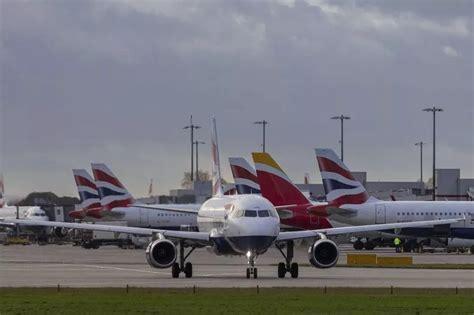
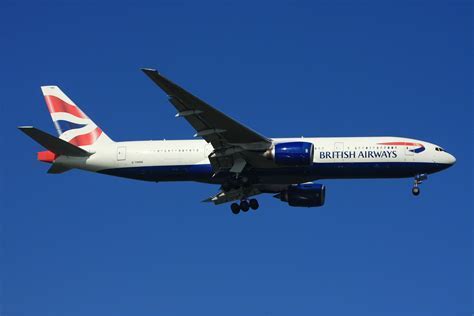
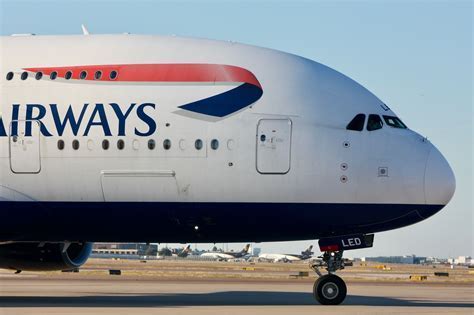
A routine transatlantic journey turned into a high-stakes emergency on July 16, 2025, when British Airways flight BA2203, en route from London Gatwick Airport to Cancun, was forced to execute an emergency landing due to toxic fumes flooding the cabin. The Boeing 777-200, carrying 340 passengers, was airborne for less than an hour before the pilots declared a full-scale emergency, prompting a swift but complex return to Gatwick.
Toxic Fumes Trigger Mid-Air Emergency
The flight had barely cleared the London airspace when passengers and crew began to notice a strong, nauseating odor wafting through the aircraft. Witnesses described the smell as similar to “used socks”, sharp and overwhelming. Within moments, symptoms such as dizziness, nausea, headaches, and respiratory discomfort began to spread throughout the cabin.
While commercial aircraft are designed with stringent air filtration systems, the presence of chemical-like fumes raised alarm on board. As conditions worsened, the flight crew deployed oxygen masks and opened the cockpit windows mid-flight—an extraordinary and rare measure indicative of the severity.
Passengers reported feeling intense anxiety and disorientation as the situation unfolded. Crew members attempted to maintain calm, but the mystery of the fumes and the growing discomfort created a claustrophobic and fearful atmosphere.
Pilots Execute High-Risk Return to Gatwick
Facing an escalating onboard health crisis, the pilots contacted air traffic control, declaring a full emergency. They were granted immediate priority for return—but safety procedures dictated that the aircraft must circle above London for approximately 45 minutes to burn excess fuel and meet safe landing weight requirements.
During this holding pattern, the cabin remained tense. The smell did not dissipate, and several individuals required urgent medical attention. Some passengers described the ordeal as “the longest hour of their lives.” The potential source of the fumes remained unidentified, further adding to the stress of both the passengers and the crew.
Emergency Crews Mobilize on Arrival
At 3:29 PM, the Boeing 777-200 landed safely at Gatwick. The runway had already been cleared for emergency response teams, including fire trucks, hazmat units, and paramedics, who surrounded the plane the moment it came to a halt.
The aircraft was evacuated methodically, with medical teams immediately attending to dozens of affected passengers and several cabin crew. While no fatalities or severe injuries were reported, many were treated for mild inhalation-related symptoms, and some required further observation in hospital.
The runway underwent a temporary closure for inspection, and a full sweep of the aircraft was conducted to identify any residual contamination. British Airways and airport safety officials initiated an urgent investigation into the source of the fumes.
Investigative Focus: What Caused the Fumes?
As of the latest update, the cause of the cabin contamination remains under investigation. However, early speculation within aviation circles points to possible sources:
- Oil or hydraulic fluid leak into the air conditioning system (commonly known as a “fume event”)
- Electrical short-circuit or malfunctioning cabin component
- Contaminated ground equipment used prior to departure
Aviation safety experts from the UK Civil Aviation Authority (CAA) and British Airways’ internal safety board are collaborating closely, with the Aircraft Accident Investigation Branch (AAIB) also expected to take part should preliminary findings warrant deeper inquiry.
Disrupted Plans and Passenger Aftermath
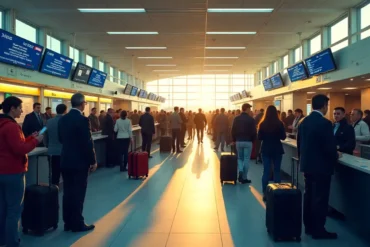
Following the landing, passengers were led into the terminal where they were met with medical check-ups, rebooking desks, and British Airways representatives offering hotel accommodations. While the airline acted quickly to mitigate logistical fallout, the psychological impact of the incident was apparent.
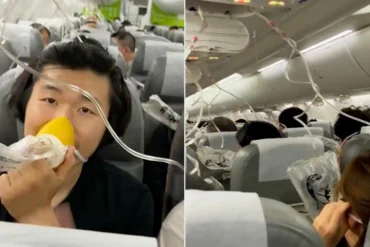
Many travelers took to social media to describe their terror, confusion, and frustration. Photos circulated showing oxygen masks hanging from overhead compartments, concerned passengers using damp towels to filter air, and exhausted children being carried off the plane.
The Cancun-bound flight was officially canceled, and a new flight was scheduled for the next day using a different Boeing 777 with a fresh crew. British Airways has pledged to fully support affected passengers, though calls for greater transparency and accountability are growing.
British Airways Responds
In a brief statement issued Thursday evening, a spokesperson for British Airways said:
“We apologize to our customers for the disruption to their travel plans. The safety of our customers and crew is always our highest priority. We are working with relevant authorities to determine the cause of the issue and have provided all necessary assistance to those affected.”
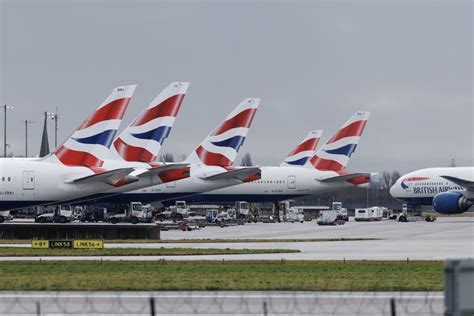
While the airline stopped short of offering specifics, insiders suggest that engineering teams and maintenance logs are being scrutinized for irregularities. The aircraft involved will remain grounded pending mechanical and chemical testing.
Toxic Fume Incidents: A Rare but Growing Concern
Although rare, toxic fume events are not entirely new to the aviation industry. In recent years, multiple airlines have reported similar occurrences, often tied to engine oil leaks or faulty bleed air systems. The issue is serious enough that various pilot unions and cabin crew associations have long pushed for tighter monitoring and standardized protocols.
Aviation medical research also highlights long-term risks for crew exposed to repeated fume events, a condition informally referred to as “aerotoxic syndrome.” These concerns are now resurfacing as regulators assess how such a potentially hazardous breach occurred aboard a major international flight.
What’s Next for the Investigation?
The next phase of the investigation will likely focus on air sampling, mechanical diagnostics, and crew interviews. Given the high-profile nature of the incident and the number of passengers involved, the findings will attract scrutiny from both UK and international regulators.
Passengers affected by the incident may seek compensation under EU Regulation 261/2004, which governs air passenger rights in cases of delay, cancellation, or disruption due to airline-related causes. If negligence is found, British Airways may face further legal and financial repercussions.
The aircraft itself—a long-serving Boeing 777-200—is expected to undergo a comprehensive teardown inspection. Maintenance logs will be reviewed to track any recent anomalies, system upgrades, or reported faults prior to flight BA2203’s departure.
Conclusion: A Harrowing Reminder of Aviation Vulnerabilities
The incident aboard flight BA2203 serves as a stark reminder that even the most routine journeys can be disrupted by unexpected technical failures. While the pilots and crew are being praised for their swift, professional response, the event highlights critical vulnerabilities in aircraft systems that warrant immediate attention.
With 340 lives briefly in peril, the emergency landing represents not just a near-miss but a powerful motivator for the aviation sector to reevaluate air safety measures related to cabin air quality.
As passengers recover and regulators dig deeper into the root cause, the industry is left to answer hard questions about preventive maintenance, detection systems, and incident transparency—each essential to preventing future occurrences of airborne chemical contamination.
This story continues to evolve as updates from the investigation are released.