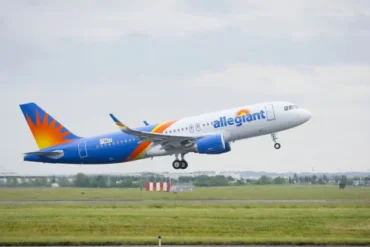
Allegiant Air is preparing for a major transformation of its passenger experience with the launch of Allegiant First, a new premium seating product designed for travelers seeking more comfort while still benefiting from the airline’s low-cost approach. The new offering, scheduled to debut in spring 2027, marks one of the most significant changes in the carrier’s history since beginning operations in 1997.
For decades, Allegiant has followed a traditional ultra-low-cost carrier (ULCC) model built around affordable base fares and optional paid services. The airline has focused primarily on leisure travelers, offering direct routes between smaller cities and popular vacation destinations while keeping ticket prices low by charging separately for extras such as baggage, seat selection, and onboard purchases.
The introduction of Allegiant First signals that the airline is adapting to changing passenger expectations. While many travelers continue to prioritize low fares, an increasing number are willing to pay more for improved comfort, convenience, and a simpler travel experience. Instead of abandoning its low-cost philosophy, Allegiant is expanding its product range to serve different types of customers within the same aircraft.
Allegiant First Adds Eight Premium Seats to Select Aircraft
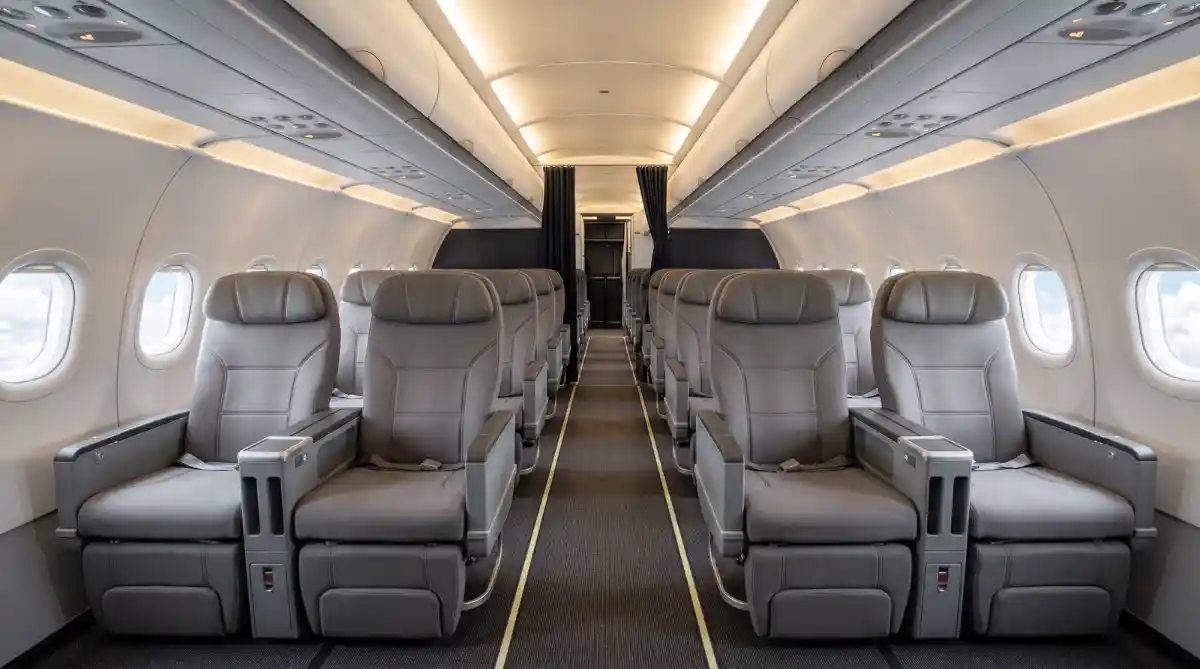
Allegiant First will initially appear on selected aircraft, creating a dedicated premium section at the front of the cabin. The new configuration will feature eight premium seats arranged in a 2-2 layout, offering passengers additional personal space compared with standard economy seating.
The seats will provide a 37-inch pitch, five inches of recline, adjustable headrests, and calf rests. Although the product will not compete directly with traditional airline first-class cabins featuring lie-flat seats, luxury meals, or exclusive lounges, Allegiant First is designed around practical comfort improvements for leisure travelers.
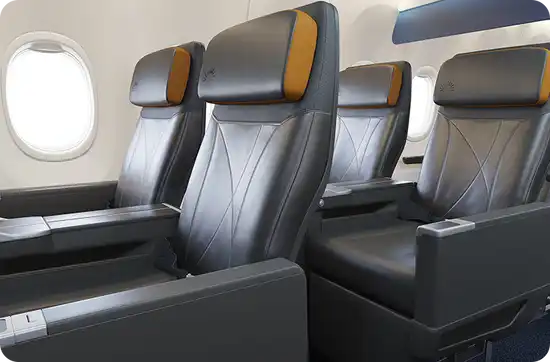
The new cabin product will also include several benefits that are commonly sold separately by low-cost airlines. Passengers purchasing Allegiant First will receive a personal item, carry-on bag, and one checked bag weighing up to 70 pounds (32 kilograms) as part of the package.
By bundling these services together, Allegiant is targeting travelers who may prefer paying a higher upfront price rather than managing multiple additional fees. This approach could appeal to families, vacation travelers, and passengers taking longer leisure trips where baggage and comfort are important factors.
According to Allegiant Chief Commercial Officer Drew Wells, the goal is to provide customers with more flexibility by allowing them to choose the level of service that matches their individual needs. The airline believes that expanding options will improve customer satisfaction while preserving the low-cost structure that has supported its growth.
Complimentary Drinks Mark a New Era for Allegiant’s Onboard Experience
Alongside the launch of Allegiant First, the airline is also changing another long-standing part of its passenger experience. Starting August 1, Allegiant will introduce complimentary non-alcoholic beverages for all passengers.
Travelers will receive free access to drinks including water, soft drinks, and juice during flights. For an airline that has historically relied heavily on buy-on-board sales, the move represents a meaningful shift in how Allegiant approaches onboard service.
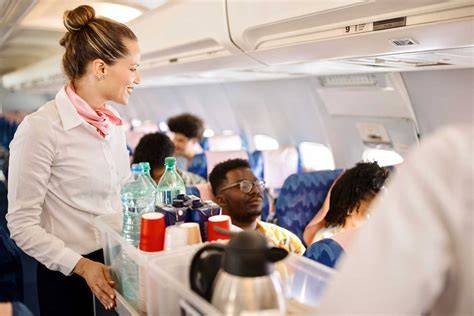
The traditional ultra-low-cost airline strategy depends on keeping base fares low while generating additional revenue through optional services. This model has allowed carriers like Allegiant to attract price-conscious travelers while maintaining profitability through ancillary revenue streams.
However, passenger expectations have evolved significantly. Modern travelers increasingly compare airlines not only by ticket price but also by the overall journey experience. Small improvements, such as complimentary beverages, can create a stronger perception of value without significantly increasing operating costs.
By combining free drinks with a new premium seating product, Allegiant is making a careful move toward improving customer experience while avoiding the high expenses associated with traditional full-service airline operations.
Allegiant’s Strategy Reflects a Wider Airline Industry Shift
Allegiant’s changes are part of a broader trend across the aviation industry. Airlines worldwide are increasingly creating more specialized cabin products as the traditional separation between low-cost and premium travel becomes less defined.
Premium seating has become an important source of revenue growth, with airlines dedicating more attention to passengers willing to spend extra for comfort and convenience. Instead of offering only basic economy and expensive business-class options, carriers are developing multiple tiers that allow customers to select exactly how much they want to pay for additional benefits.
Large network airlines have also expanded premium offerings across their fleets. More carriers are investing in enhanced economy products, premium economy cabins, and upgraded seating experiences to capture higher-value travelers.
For Allegiant, the introduction of Allegiant First represents a move from simply selling the lowest possible fare toward offering a wider range of travel experiences. The airline is betting that some passengers will continue choosing the cheapest option, while others will pay more for added comfort and fewer travel complications.
A New Competitive Direction for Allegiant Air
The launch of Allegiant First and complimentary drinks shows how the airline is evolving with changing market conditions. The carrier is not abandoning its low-cost identity but expanding it with additional choices designed to attract a broader customer base.
As competition increases across the US airline industry, airlines must find new ways to balance affordability with passenger expectations. Allegiant’s latest strategy demonstrates that even ultra-low-cost carriers are exploring premium features to remain competitive.
The success of Allegiant First will depend on whether travelers view the added comfort and bundled benefits as valuable enough to justify the higher price. If successful, the program could become an important part of Allegiant’s future growth strategy and potentially influence how other low-cost carriers approach premium services.