Copa Airlines Becomes the First Airline to Charge for Starlink WiFi Access
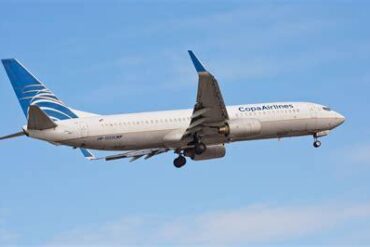
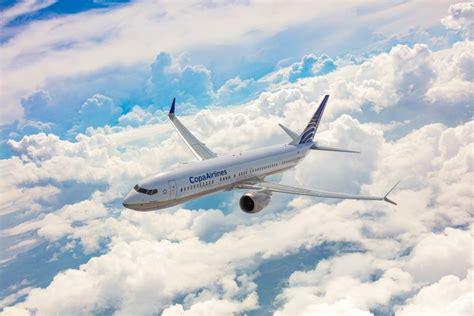
Copa Airlines is preparing to reshape the future of onboard connectivity by becoming the first airline to charge passengers for Starlink WiFi access. The Panama-based carrier has started introducing SpaceX’s satellite internet technology across its fleet, becoming the first airline in Latin America to adopt Starlink while taking a different approach from nearly every other launch partner.
The airline’s first Starlink-equipped aircraft entered commercial service on July 4, with the complete fleet installation expected to continue through the first quarter of 2027. The rollout will provide passengers with faster and more reliable internet connections capable of supporting video streaming, cloud applications, online gaming, messaging, and live sports during flights.
Unlike other airlines that have introduced Starlink as a free passenger benefit, Copa will use a tiered access model. Complimentary connectivity will be reserved for select premium travelers, while most passengers will need to purchase access through the onboard Starlink portal.
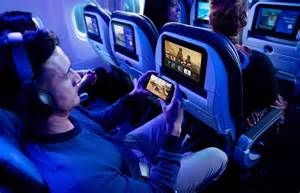
Copa Airlines’ decision represents a major shift because free high-speed WiFi has quickly become one of the biggest selling points of Starlink partnerships in aviation. Many airlines have promoted the technology as a way to eliminate one of the biggest frustrations of air travel: slow and unreliable internet at cruising altitude.
Copa’s New Starlink Strategy Combines Loyalty Benefits and Revenue Opportunities
Under Copa’s new connectivity plan, free Starlink access will be available to ConnectMiles PreferMember Gold, Platinum, and Presidential members, business class passengers, and customers who already subscribe to Starlink Residential or Starlink Roam services. Other travelers will have to pay for the service after connecting through the onboard portal.
Diana Mizrachi-Kopel, Copa Airlines’ Senior Director of Customer Experience, described the introduction of Starlink as another step in improving the passenger experience through innovation. The airline believes the technology will strengthen its reputation as a leading carrier in the Latin American market while providing a more modern travel experience.
The strategy also reflects a broader change in how airlines view onboard technology. Instead of treating WiFi only as an expense, carriers increasingly see connectivity as a potential ancillary revenue source. Paid upgrades, premium seating, baggage fees, and onboard services already generate significant income for airlines, and internet access could become another area where companies explore additional revenue.
For Copa, the approach creates a balance between rewarding loyal customers and recovering part of the investment required to install and maintain advanced satellite equipment. The airline can promote free connectivity as a premium benefit while still creating a new commercial opportunity among economy passengers.
Starlink Is Transforming In-Flight Connectivity Across the Aviation Industry
Starlink has rapidly changed expectations for airline WiFi. Traditional aircraft internet systems often rely on older satellite networks that can suffer from limited bandwidth, higher delays, and inconsistent performance. Starlink’s low-Earth-orbit satellite network offers much lower latency and significantly faster speeds, allowing passengers to use services that previously were difficult or impossible during flights.
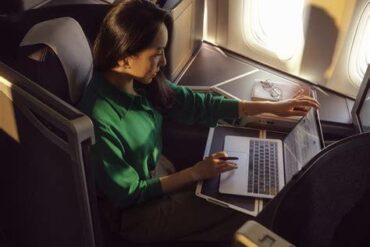
SpaceX’s aviation service has attracted partnerships with airlines around the world because it can provide near ground-like connectivity even over oceans and remote areas. Travelers can browse websites, stream entertainment, attend online meetings, and use cloud-based tools throughout their journey.
However, Copa’s decision stands apart because most airlines currently use free access as a competitive advantage. Carriers introducing Starlink have generally positioned complimentary WiFi as a way to improve customer satisfaction and differentiate themselves from competitors.
Will Other Airlines Start Charging for Starlink WiFi?
At the moment, Copa Airlines remains an exception. Several major airlines, including United Airlines, Hawaiian Airlines, Alaska Airlines, British Airways, Virgin Atlantic, and airlines within Lufthansa Group have announced plans to provide Starlink connectivity free of charge or through loyalty programs.
The popularity of free Starlink WiFi suggests that many airlines currently consider high-speed internet an essential customer service rather than a premium product. As passengers become accustomed to staying connected throughout flights, charging separately for basic access could create customer dissatisfaction.
However, Copa’s experiment could influence future strategies if it proves that passengers are willing to pay while premium customers continue receiving complimentary access. A possible future model could involve airlines offering basic messaging for free, while charging for faster connections suitable for streaming, gaming, or professional work.
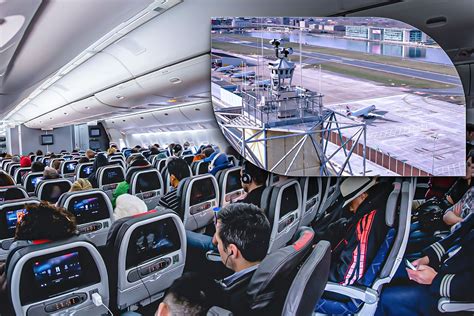
Copa Airlines’ Starlink Launch Could Set a New Industry Direction
Copa Airlines’ Starlink rollout strengthens its position as an innovator in Latin American aviation. The airline already benefits from its strategic Panama City hub and strong operational performance, and advanced onboard connectivity gives it another way to compete in an increasingly digital travel environment.
Whether other airlines follow Copa’s paid WiFi model will depend on passenger demand, installation costs, and the competitive pressure created by free connectivity from rival carriers. For now, the industry appears divided between treating Starlink as a customer benefit and viewing it as a new revenue opportunity.
Copa’s decision may become an important test case. If travelers accept paid access to premium satellite internet, more airlines could eventually adopt similar pricing structures. If passengers strongly prefer free connectivity, Copa may remain the unusual exception in a market where high-speed WiFi is becoming a standard expectation rather than a luxury feature.