
Air Canada is increasing its commitment to the Canary Islands by doubling the planned frequency of its new Airbus A321XLR nonstop service between Montréal–Trudeau International Airport (YUL) and Tenerife South Airport (TFS). The eight-hour transatlantic route, which will begin during the 2026–2027 winter schedule, represents a significant expansion of Air Canada’s long-range narrowbody strategy and introduces a new connection between Canada and one of Europe’s fastest-growing leisure destinations.
The Star Alliance carrier originally planned to operate the Montréal–Tenerife route once weekly, but updated schedules now show that flights will operate up to twice weekly during parts of the first season. The increase suggests stronger-than-expected demand for the new market, although Air Canada will likely rely on both local travelers and connecting passengers from across Canada and the United States to support the route.
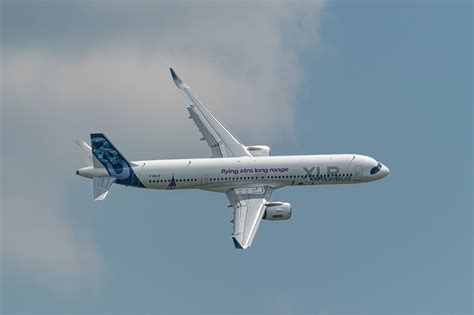
Airbus A321XLR Enables Air Canada’s Longest Narrowbody Leisure Routes
The new Montréal service will be operated using Air Canada’s 182-seat Airbus A321XLR, an aircraft designed specifically to open thinner long-distance markets that previously required larger widebody aircraft or could not support nonstop operations.
The A321XLR’s extended range allows airlines to connect smaller city pairs with lower passenger volumes while maintaining operational efficiency. For Air Canada, the aircraft provides the flexibility to experiment with unique seasonal routes such as Tenerife, where demand is heavily influenced by winter tourism patterns.
The Montréal–Tenerife route will cover approximately 3,308 nautical miles (6,126 kilometers), making it one of the longest missions in Air Canada’s narrowbody network. Flights from Montréal will depart during the evening, arriving in Tenerife the following morning, while return flights will operate during the daytime.
The schedule currently shows Saturday departures through January 2027, followed by additional Tuesday services before returning to a reduced Saturday-only operation later in the season. This seasonal adjustment allows Air Canada to match capacity with expected winter vacation demand.
Air Canada Creates Canada’s First Direct Links to the Canary Islands
The Tenerife expansion is particularly notable because Canada previously had no nonstop flights to the Canary Islands. Air Canada’s new routes will help establish the Spanish archipelago as a more accessible destination for Canadian travelers seeking warm-weather alternatives during the colder winter months.
The Montréal route will not be the airline’s only Tenerife service. Air Canada will also introduce flights from Toronto Pearson International Airport (YYZ), its largest hub, creating a second connection between Canada and Tenerife.

The Toronto–Tenerife route will also use the Airbus A321XLR and will operate twice weekly throughout the winter schedule. With a distance of approximately 3,135 nautical miles (5,806 kilometers), the service will become the longest nonstop route connecting Tenerife with Canada.
Toronto represents a larger potential market than Montréal. Historical passenger data shows that more travelers flew between Toronto and Tenerife than between Montréal and the island, although overall demand remained limited before nonstop flights became available. Air Canada’s direct service is expected to stimulate new demand by reducing travel time and eliminating connections through European or North American hubs.
Connecting Passengers Will Be Key to Route Success
Although tourism demand is an important factor, Air Canada’s Tenerife flights are unlikely to depend solely on local traffic. The airline’s hub model means that many passengers will connect through Montréal and Toronto from other Canadian cities, as well as from selected US markets.
For new long-haul leisure routes, connecting traffic often determines whether a service becomes sustainable. A destination may have limited local demand, but a strong hub network can provide enough additional passengers to support year-round commercial operations.
Tenerife has become increasingly attractive among international travelers due to its mild climate, volcanic landscapes, beaches, and year-round outdoor activities. The island’s popularity with European visitors has already created a mature tourism infrastructure, and new Canadian links could further expand its global reach.
Air Canada Faces New Competition in the Canary Islands Market
Air Canada will not be the only Canadian airline entering the Canary Islands market. Leisure carrier Air Transat is also planning flights from Montréal and Toronto to Gran Canaria during the same winter period.
Air Transat’s services will use the Airbus A321LR, a closely related aircraft variant with slightly less range capability than the A321XLR. The airline plans weekly winter operations from both Canadian cities, creating additional nonstop options for travelers heading to the Canary Islands.

The arrival of multiple Canadian routes highlights growing confidence in the region’s tourism potential. However, airlines will still need to carefully manage schedules, pricing, and marketing efforts because new leisure routes often require time to develop.
Airbus A321XLR Expands Possibilities for Future Routes
Air Canada’s Tenerife expansion demonstrates how the Airbus A321XLR is changing the economics of international aviation. Traditionally, long-distance flights required large aircraft and significant passenger volumes. The latest generation of long-range narrowbody aircraft allows airlines to explore smaller markets with lower risk.
The success of routes like Montréal–Tenerife could influence future network decisions, potentially opening opportunities for additional destinations that were previously considered too small for nonstop service.
For Air Canada, the A321XLR is becoming an important tool for expanding its global network while maintaining flexibility. The Tenerife route combines seasonal demand, tourism growth, and new aircraft technology, creating a model that could shape the airline’s future approach to long-haul expansion.