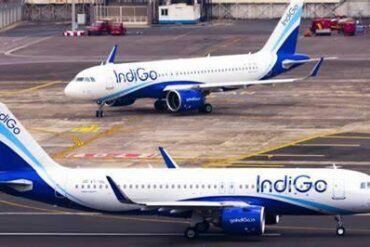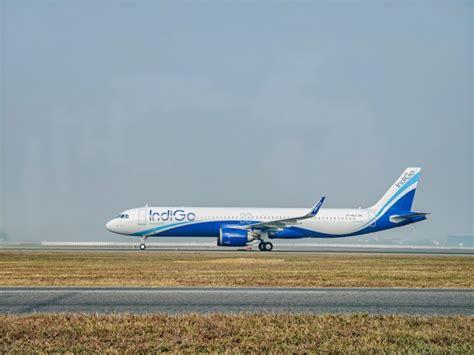
IndiGo is accelerating its international growth strategy with the launch of two new nonstop services to Bali, leveraging the capabilities of the Airbus A321XLR to operate some of the longest flights in the airline’s history. The new routes will connect Delhi Indira Gandhi International Airport (DEL) and Mumbai Chhatrapati Shivaji Maharaj International Airport (BOM) directly with Ngurah Rai International Airport (DPS) in Bali, replacing the carrier’s existing one-stop operations and significantly reducing travel times for passengers.
As India’s largest airline continues its transformation from a predominantly domestic operator into an increasingly global network carrier, the introduction of these nearly eight-hour nonstop flights represents a major milestone. The move also highlights the growing importance of long-range narrowbody aircraft in reshaping international route economics.
IndiGo’s New Bali Flights Push Narrowbody Operations Further
The newly announced Delhi–Bali and Mumbai–Bali services will be operated using the Airbus A321XLR, the latest long-range member of the A320 family. These flights are expected to record block times of up to seven hours and 55 minutes on westbound sectors returning to India, placing them among the longest narrowbody routes in the airline’s network.
Unlike traditional long-haul routes that typically require larger twin-aisle aircraft, these services demonstrate how advances in aircraft technology are allowing airlines to connect distant markets with smaller, more efficient fleets. For IndiGo, which currently operates approximately 2,200 daily flights across 141 destinations, the A321XLR opens new opportunities that previously may not have been commercially viable.
The Bali market has long been a popular destination for Indian leisure travelers, honeymooners, and family vacationers. Demand has steadily increased in recent years, creating a strong case for nonstop connectivity from India’s largest metropolitan centers.
Why Bali Is an Ideal Market for the Airbus A321XLR
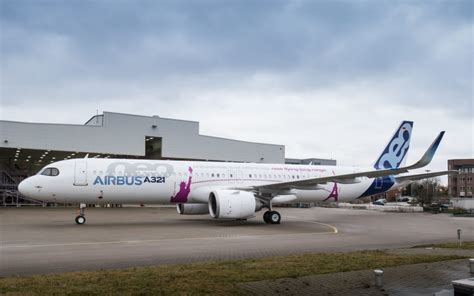
The Airbus A321XLR was specifically designed to serve routes that fall into a strategic middle ground—markets with substantial demand but not enough year-round traffic to justify larger widebody aircraft such as the Boeing 787 Dreamliner or Airbus A330.
Bali perfectly fits this category. Passenger demand remains strong throughout much of the year, yet seasonal fluctuations can make operating larger aircraft economically challenging. By deploying a smaller but highly capable narrowbody aircraft, airlines can offer nonstop service while maintaining healthier operating economics.
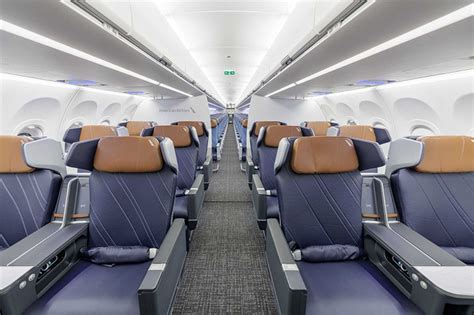
IndiGo’s A321XLR configuration includes 195 seats arranged in a dual-class layout featuring 12 Stretch premium seats and 183 economy seats. This differs significantly from some of the airline’s higher-density A321 variants, which can accommodate more than 220 passengers in all-economy configurations.
The reduced seating density serves a critical purpose. Additional space is allocated for fuel storage, passenger comfort, and long-range operational requirements. The result is an aircraft capable of flying approximately 8,700 kilometers while still delivering the efficiency advantages associated with single-aisle operations.
For travelers, the shift from one-stop itineraries to nonstop flights creates a dramatically improved journey experience. Eliminating transit stops reduces total travel time, lowers the risk of missed connections, and provides a more convenient travel option for passengers heading to one of Asia’s most popular island destinations.
The Strategic Importance of Long-Range Narrowbody Aircraft
The introduction of nonstop Bali services reflects a broader shift occurring throughout the global aviation industry. Airlines are increasingly using long-range narrowbody aircraft to explore routes that once required substantially larger aircraft investments.
Historically, opening a new international route often meant committing hundreds of seats per flight. This approach carried significant financial risk, particularly in emerging markets where demand patterns remained uncertain.
Today, aircraft such as the A321XLR provide airlines with greater flexibility. Rather than deploying a 300-seat widebody aircraft from day one, carriers can launch service with fewer seats while still maintaining nonstop connectivity. If demand grows, frequencies can be increased or larger aircraft can eventually be introduced.
This flexibility has become one of the A321XLR’s most attractive selling points. Airlines can enter new markets, evaluate performance, and adjust capacity without assuming the financial exposure associated with traditional long-haul fleet strategies.
Europe Routes Highlight Operational Challenges
While Bali will rank among IndiGo’s longest flights, it is not expected to hold the title of the airline’s longest A321XLR mission. That distinction belongs to the carrier’s planned services from Delhi to Istanbul and Athens.
These European routes can approach block times of nearly eight hours and forty-five minutes, largely due to current geopolitical realities affecting airspace access. Flight planning today involves far more than simply measuring the shortest distance between two cities.
Airspace restrictions, regional conflicts, and route diversions have become increasingly influential factors in determining flight duration and fuel requirements. Aircraft frequently must avoid certain regions, resulting in longer routings and increased operational complexity.
These constraints place additional pressure on airline operations. Longer routes require greater fuel reserves, impact payload calculations, and reduce overall aircraft utilization. What appears achievable based solely on aircraft range figures may become significantly more complicated when real-world operational factors are introduced.
By comparison, Bali benefits from relatively straightforward routing through Southeast Asian airspace. Although the flights are lengthy, they avoid many of the geopolitical complications affecting some westbound international services.
A321XLR Fleet Growth Signals Bigger International Plans
IndiGo’s long-term fleet strategy suggests that the A321XLR will play a central role in the airline’s international expansion over the coming decade. The carrier has placed firm orders for 40 A321XLR aircraft, with multiple deliveries scheduled as the fleet continues to grow.
These aircraft are expected to support expansion across Europe, East Asia, and other underserved international markets where nonstop connectivity can stimulate demand. The airline’s leadership has repeatedly emphasized the importance of strengthening its international footprint while maintaining the low-cost efficiency that helped build its domestic dominance.
The significance extends beyond individual routes. International services are expected to account for a substantially larger share of IndiGo’s network by 2030, marking a major shift for an airline historically focused on India’s domestic market.

A New Chapter in IndiGo’s Global Evolution
The launch of nonstop Bali services represents more than a simple route addition. It illustrates how IndiGo is using next-generation aircraft technology to bridge the gap between regional operations and long-haul international growth.
By combining the economics of a narrowbody aircraft with range capabilities once associated only with widebodies, the Airbus A321XLR gives IndiGo a powerful platform for network experimentation and expansion. Bali, Athens, and Istanbul are likely only the beginning.
As the airline continues receiving new A321XLR deliveries and expands its international network, these aircraft could become the cornerstone of a strategy that transforms IndiGo from India’s largest domestic carrier into a major global aviation competitor. The new Bali routes offer an early glimpse of what that future may look like—a future built around efficient long-range operations, targeted market development, and nonstop connectivity to destinations that were once beyond the reach of traditional narrowbody fleets.