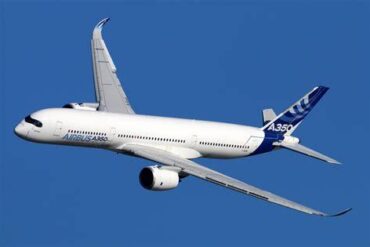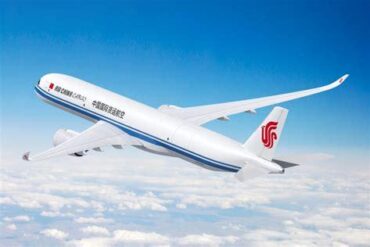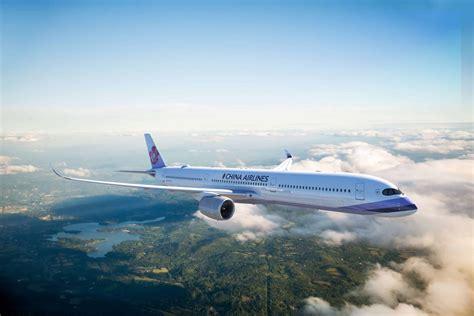
China Airlines has made a bold move in redefining its long-haul operations by placing an additional order for five Airbus A350-1000 aircraft, further solidifying its commitment to fleet modernization and global expansion. This decision brings the airline’s total order for the widebody flagship to 15 units, alongside the existing 15 Airbus A350-900s already in service. With this strategic purchase, the Taipei-based carrier positions itself at the forefront of next-generation long-haul travel, enhancing both operational efficiency and passenger experience.
Fleet Modernization: A Strategic Leap Forward
The addition of five more Airbus A350-1000s marks a clear continuation of China Airlines’ aggressive strategy to replace older widebody jets and gear up for future global demand. This aircraft type—known for its remarkable efficiency and technological sophistication—is poised to be a game-changer for the airline’s long-haul ambitions.
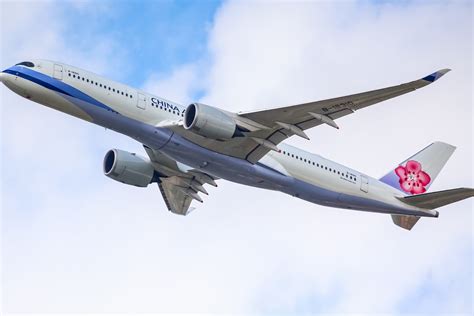
With an impressive range of 9,000 nautical miles (16,700 km) and the capacity to carry up to 400 passengers in a three-class configuration, the A350-1000 offers China Airlines a significant advantage on its transpacific and intercontinental routes. According to Airbus specifications, the aircraft is powered by the Rolls-Royce Trent XWB-97 engines, which deliver a 25% reduction in fuel burn compared to the previous generation of long-haul jets. This efficiency directly translates to lower operating costs and a substantial reduction in carbon emissions, aligning with global sustainability initiatives.
Why the A350-1000 is the Future of Long-Haul Travel
Nicknamed the “Long-Range Leader,” the Airbus A350-1000 stands out for several reasons beyond range and capacity. It integrates state-of-the-art avionics, advanced aerodynamics, and composite materials, making it one of the most advanced aircraft ever built. These design choices not only enhance structural efficiency but also result in quieter cabins and improved cabin pressure, offering a noticeably more comfortable environment for passengers on ultra-long-haul journeys.
The Chairman of China Airlines, Kao Shing-Hwang, emphasized the strategic intent behind the order, stating:
“The A350’s exceptional efficiency and passenger comfort align with our goals to modernize our fleet, enhance long-haul competitiveness and deliver an elevated travel experience to our customers.”
Such clarity of vision underscores the airline’s ambitions to remain relevant and competitive in a dynamic global aviation landscape.
Operational Advantages: Versatility Meets Performance
The A350-1000 doesn’t just fly further—it carries more, more efficiently. Compared to its sibling, the A350-900, the -1000 variant brings significant operational enhancements:
- Maximum Take-Off Weight (MTOW): 319 tonnes for the A350-1000 versus 280 tonnes for the A350-900.
- Fuel Capacity: An additional 1,812 liters over the A350-900, extending flight range and endurance.
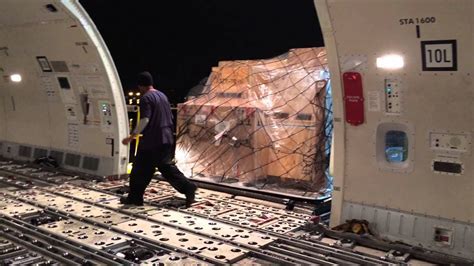
- Cargo Capacity: Ability to accommodate three more pallets or eight extra LD3 containers, vital for revenue-generating belly cargo.
These metrics make the aircraft especially appealing for high-yield international routes, where both passenger and cargo revenue must be maximized to maintain profitability.
Given these advantages, the A350-1000 could potentially replace aging A330-300s and even supplement or eventually replace some Boeing 777-300ERs, helping China Airlines to streamline its long-haul fleet with newer, more efficient aircraft.
Passenger Experience Reimagined
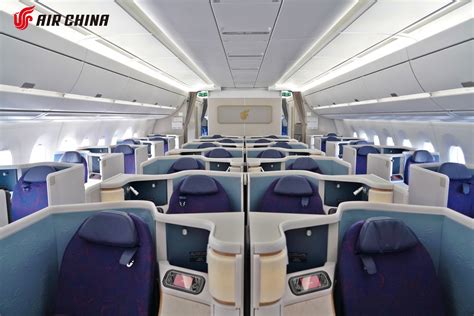
China Airlines is widely recognized for its elegant and modern cabin design, and the A350-1000 offers even more opportunities to elevate the onboard product. While the airline has not yet revealed the interior layout for the new A350-1000s, we can make educated projections based on Airbus specs and the airline’s current A350-900 cabin:
- The A350-900 features two configurations: one seating 306 passengers across three classes and another with 300 seats in a more premium-heavy layout.
- The A350-1000 is expected to carry 375–400 passengers in a similar three-class setup, offering increased capacity for both economy and premium segments.
The wider fuselage of the A350-1000 allows for more spacious seating arrangements, roomier aisles, and larger overhead storage bins—factors that collectively contribute to a better flying experience. Moreover, the lower cabin altitude, quieter engines, and mood lighting systems enhance passenger well-being on flights that may last over 14 hours.
Boeing Still in the Game: Upcoming Deliveries Complement the Strategy
While the Airbus A350s are set to dominate the long-haul landscape for China Airlines, the Boeing 787 Dreamliner and 777X orders indicate a balanced and flexible fleet expansion approach. As of late November, China Airlines has committed to 47 Boeing long-haul aircraft, including:
- 18 Boeing 787-9s
- 6 Boeing 787-10s
- 14 Boeing 777-9s (firm order)
- 4 Boeing 777-8 Freighters
- 9 Boeing 777X options
The new Dreamliners will likely serve medium to long-haul routes, offering fleet commonality and efficiency in different mission profiles. The 777-9s, on the other hand, are expected to fly high-demand routes to North America and Europe, offering unmatched range and passenger capacity.
Meanwhile, the 777-8 Freighters will play a crucial role in air cargo operations, building upon the airline’s already impressive freighter fleet, which includes the 777F and 747-400F. This dual focus on passenger and cargo operations ensures robust profitability and agility in market fluctuations.
Global Network Expansion and Market Implications
The expansion of China Airlines’ A350-1000 fleet is likely to have a ripple effect across the Asia-Pacific and transpacific markets. With geopolitical shifts, growing leisure demand, and the rebound of corporate travel, Taipei Taoyuan International Airport (TPE) stands to gain prominence as a vital hub in Northeast Asia.
Strategic deployment of the A350-1000 could see increased frequencies or new destinations across:
- North America: San Francisco, Los Angeles, Vancouver, and potentially Boston or Seattle.
- Europe: Frankfurt, Amsterdam, Rome, and Vienna.
- Oceania: Sydney, Melbourne, Brisbane.
As Taiwan seeks to reinforce its status as a regional connector and economic powerhouse, China Airlines’ investment in high-efficiency, long-haul aircraft serves both commercial and strategic imperatives.
Conclusion: A Calculated Bet on the Future of Aviation
China Airlines’ order for five additional Airbus A350-1000s is more than a routine fleet update—it is a visionary commitment to operational excellence, global competitiveness, and environmental stewardship. With new-generation Airbus and Boeing jets soon joining its ranks, the airline is poised to emerge as a formidable force in global aviation, ready to meet the demands of tomorrow’s travelers.
In an industry where fuel efficiency, passenger experience, and network adaptability determine long-term success, China Airlines is not merely following trends—it is setting them.