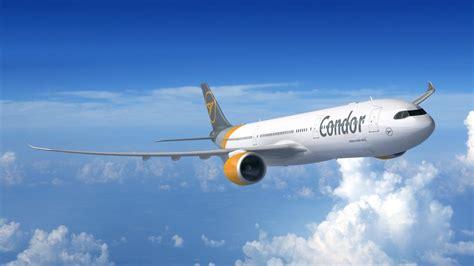
German leisure airline Condor has doubled down on its strategic transformation with a new order for four additional Airbus A330-900neo aircraft, signaling a bold move to cement its dominance in the long-haul leisure travel segment. This latest expansion, confirmed on July 17, 2025, follows a formal approval by the airline’s Supervisory Board and is part of a larger, aggressive fleet modernization plan that will see Condor operating a total of 25 A330neo aircraft by 2031.
Condor’s latest commitment to the A330-900neo underscores its confidence in the wide-body twinjet’s performance, customer appeal, and cost efficiency. This strategic decision not only enhances the airline’s competitive edge but also affirms its shift away from a mixed long-haul fleet towards complete standardization on the Airbus A330neo platform.
Condor’s Strategic Pivot Toward Long-Haul Excellence
Over the past three years, Condor has redefined its market positioning, transitioning from a primarily short- and medium-haul holiday carrier into a serious contender in the international long-haul leisure market. The A330-900neo, with its extended range, lower fuel consumption, and advanced passenger amenities, has become the cornerstone of this transformation.
“By ordering additional long-haul aircraft, we intend to open up new opportunities in the international business and continue the successful strategy of growth seen in recent years,” said Peter Gerber, Condor’s CEO, underscoring the airline’s ambition to scale operations globally. Gerber also highlighted that summer 2025 would mark a significant milestone where Condor’s entire long-haul operation will be powered exclusively by brand-new A330-900neo aircraft.
This evolution follows the airline’s complete renewal of its long-haul fleet, completed in 2024, which replaced older wide-body models like the Boeing 767. Since that renewal, Condor has received overwhelmingly positive customer feedback, particularly on comfort, inflight connectivity, and entertainment—key attributes of the A330neo platform.
Fleet Transformation: From Legacy to New-Generation Aircraft
Currently, Condor operates 18 A330neo aircraft, with three more expected to be delivered by the end of 2027. The four additional jets confirmed in this latest deal will push the total to 25, a figure that reflects Condor’s deep-rooted commitment to fuel efficiency, passenger satisfaction, and operational stability. Furthermore, the airline has secured options for another four A330neo units, which could be exercised in the coming years based on market performance and demand trends.
Condor’s decision to concentrate on the A330-900neo also aligns with the broader trend among European airlines toward fleet simplification and emissions reduction. Powered by Rolls-Royce Trent 7000 engines, the A330-900neo boasts a 25% reduction in fuel burn per seat compared to previous-generation aircraft—a vital factor as airlines race to meet tightening environmental regulations and carbon reduction goals.
Enhanced Passenger Experience: A Consistent Premium Product
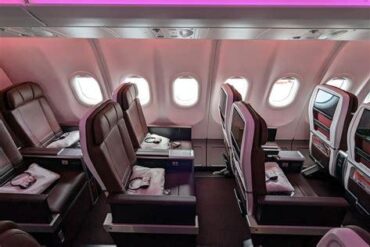
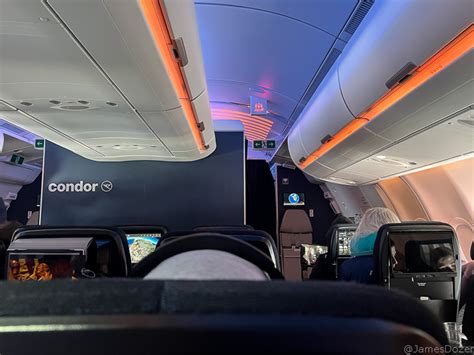
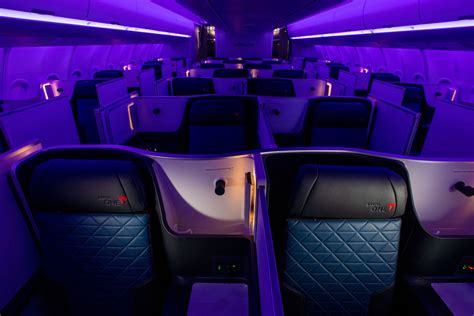
Condor’s push for fleet uniformity brings substantial benefits to travelers. Each A330-900neo is outfitted with a three-class cabin configuration—Business Class, Premium Economy, and Economy—ensuring a consistent passenger experience regardless of the destination. The aircraft offers features such as:
- Fully lie-flat seats in Business Class with direct aisle access
- Generous seat pitch in Premium Economy
- State-of-the-art IFE (Inflight Entertainment) systems in all cabins
- High-speed onboard Wi-Fi for continuous connectivity
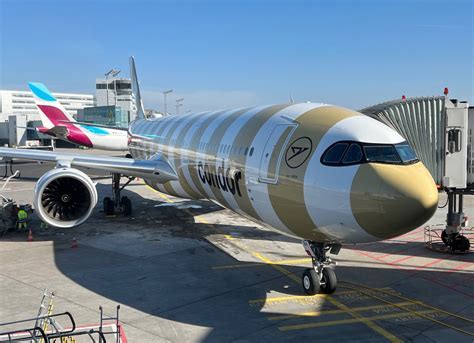
In addition to comfort, Condor has emphasized the importance of delivering a visually distinctive brand identity. The airline’s fleet now sports bold color accents and stripes in five different colors, representing the diversity of its holiday destinations. This visual branding initiative, launched alongside the fleet renewal, has become a signature image of Condor’s revitalization.
New Horizons: Network Growth Fueled by Fleet Expansion
The expansion of Condor’s A330-900neo fleet dovetails with the airline’s ambitions to expand its international long-haul route network. New routes are expected to tap into underserved and emerging markets across North America, Asia, and Africa. Already, Condor has established a strong presence with direct flights to destinations such as Seattle, Los Angeles, Cape Town, and Phuket, while leveraging strategic hubs like Frankfurt and Düsseldorf.
According to Condor, the enhanced long-haul fleet will also benefit intercontinental connections through new Condor City Flight destinations, which aim to boost regional accessibility across Europe while serving as feeders for long-haul operations. This dual-layered approach strengthens Condor’s market presence not just as a point-to-point airline but as a network carrier offering end-to-end travel solutions.
Operational Efficiency: Maximizing the A330neo Advantage
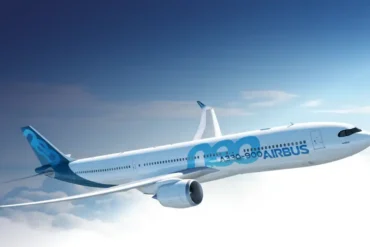
The A330-900neo is not just a branding or comfort tool—it is a highly strategic asset in Condor’s operational matrix. With a range of up to 13,334 kilometers and the ability to carry around 287 passengers, the aircraft perfectly fits Condor’s profile as a leisure airline serving high-demand, long-haul holiday destinations.
The advanced winglets, composite materials, and fly-by-wire systems contribute to fuel efficiency and reduced maintenance costs, making the aircraft attractive not just from a passenger perspective but also from a financial and environmental standpoint. Furthermore, its compatibility with existing airport infrastructure reduces turnaround time and enhances scheduling flexibility—critical attributes for a carrier operating both seasonal and year-round routes.
Airbus-Condor Relationship: A Growing Partnership
Condor’s reliance on the A330-900neo strengthens its relationship with Airbus, a partnership that has matured significantly since the airline’s post-pandemic rebound. The German leisure carrier joins a growing list of European airlines—including Lufthansa, Air France-KLM, and TAP Air Portugal—that have placed their bets on the A330neo family for wide-body fleet renewal.
The trust in Airbus is not just about aircraft performance. It reflects a broader collaboration in technical training, sustainability goals, and logistical support, ensuring Condor receives seamless integration and long-term support for its fleet. This partnership is likely to grow stronger should Condor exercise its option for an additional four aircraft, which would bring the total commitment to 29 Airbus A330-900neos.
Looking Ahead: Condor’s Vision for 2030 and Beyond
With its long-haul fleet firmly anchored by the A330neo, Condor is poised to emerge as one of Europe’s most prominent leisure-focused intercontinental airlines by the end of the decade. This transformation is more than just a fleet upgrade—it represents a systematic overhaul of brand identity, service quality, route strategy, and customer engagement.
Peter Gerber’s leadership has been instrumental in shaping Condor’s future-forward vision, which includes a heightened focus on sustainability, digital transformation, and partnership integration. Whether through codeshares with transatlantic partners or new direct services to untapped tourist markets, Condor’s operational philosophy is shifting from reactive post-pandemic recovery to proactive, data-driven expansion.

Conclusion: A Calculated Bet on a Bright Long-Haul Future
The order for four additional A330-900neos is not a one-off transaction—it is a calculated bet on the future of long-haul leisure travel, guided by data, driven by demand, and supported by a proven aircraft platform. Condor’s strategy is clear: build a long-haul powerhouse based on comfort, consistency, and connectivity, all powered by the Airbus A330neo.
As the aviation industry continues to recover and evolve, Condor is positioning itself as a resilient, innovative, and passenger-focused airline, ready to compete not just with other leisure carriers, but with legacy giants as well. The next few years will be pivotal in determining how far this momentum can carry Condor—but if its current trajectory is any indication, the skies ahead look promisingly wide open.