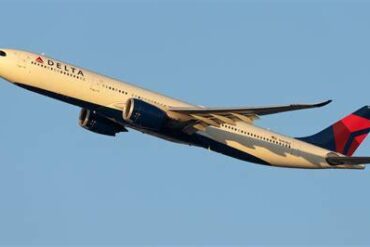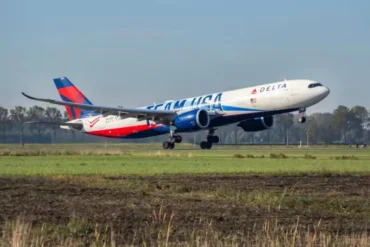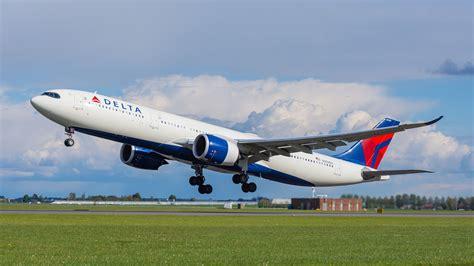
Delta Air Lines has carved a distinct identity in the American aviation landscape by being the largest operator and only U.S. commercial carrier flying the Airbus A330-900neo. As global airlines seek efficient, high-capacity widebodies for long-haul routes, Delta’s investment in the A330-900 underscores a strategic pivot that combines fuel efficiency, passenger comfort, and route versatility. This article dives deep into Delta’s unique relationship with the A330-900, its current operations, and the future trajectory of this aircraft in Delta’s global strategy.
The Rise of the Airbus A330-900neo in Global Aviation
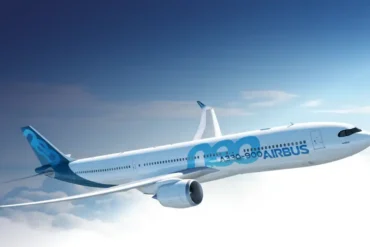
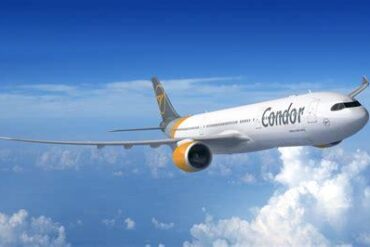
The Airbus A330-900neo, introduced in 2017, emerged as the evolutionary successor to the original A330 series, featuring new Rolls-Royce Trent 7000 engines, improved aerodynamics, and upgraded cabin technology. With a maximum range of 7,350 nautical miles and seating capacity of up to 465 passengers, the aircraft is well-suited for transoceanic routes with dense demand.
Although many airlines across Asia and Europe adopted the A330-900neo, Delta Air Lines remains the sole U.S. airline to place its bets on this widebody, positioning itself uniquely within the U.S. aviation sector. Delta has taken delivery of 36 A330-900s, with three more arriving by the end of this year, making it not only the largest U.S. operator but also the largest global operator of this aircraft variant.
How Delta Became the A330-900 Launch Customer
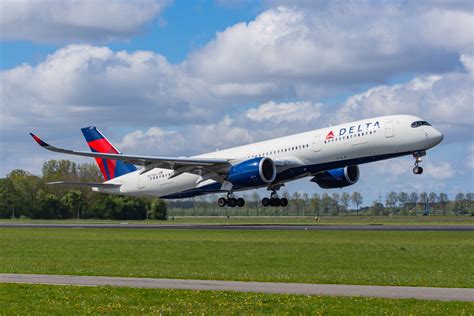
Delta’s association with the A330-900 is not incidental. In November 2014, the airline placed a bold initial order for 25 aircraft, followed by an additional 10 aircraft in 2018. While TAP Air Portugal is often referred to as the launch customer, Airbus itself credits Delta with being the actual launch client based on order timing. The strategic choice reflected Delta’s long-term vision to modernize its widebody fleet with next-generation, fuel-efficient aircraft that could serve both international and transcontinental routes with reduced emissions and operating costs.
This investment proved prescient. As of mid-2025, 372 A330-900s have been delivered worldwide, with Delta’s 36 aircraft giving it the largest share. Competitors like Cathay Pacific (30 aircraft) and VietJet (40 on order) are following closely, but no U.S. carrier has joined Delta in operating this model.
Seat Capacity and Monthly Deployment: The Numbers That Matter
According to data from Cirium, Delta’s A330-900 fleet is a major contributor to its global capacity. In June alone, Delta was scheduled to offer 533,057 seats across 1,897 flights using the A330-900, translating to an average of over 17,000 seats per day. These aircraft serve a variety of long-haul international routes, with some exceeding 5,800 miles, showcasing the aircraft’s intercontinental endurance.
Longest Delta A330-900 Routes in June:
- Atlanta (ATL) – Lagos, Nigeria (LOS): 5,843 miles
- Seattle (SEA) – Shanghai (PVG): 5,722 miles
- Atlanta (ATL) – Athens (ATH): 5,700 miles
- New York JFK – Tel Aviv (TLV): 5,677 miles
- Salt Lake City (SLC) – Paris CDG: 5,080 miles
The Aircraft’s Green Edge and Passenger Experience
One of the defining advantages of the A330-900 is its 25% lower fuel burn per seat compared to earlier-generation aircraft. It also supports jet fuel blends made with synthetic, non-petroleum sources—an environmentally conscious feature that is increasingly critical as regulators impose stricter emissions controls. With airports like London Heathrow and others introducing green thresholds, Delta’s forward-looking fleet strategy aligns well with these trends.
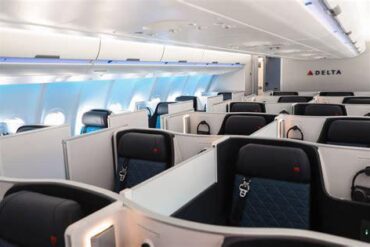
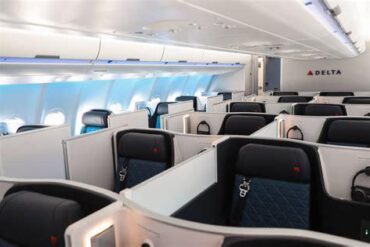
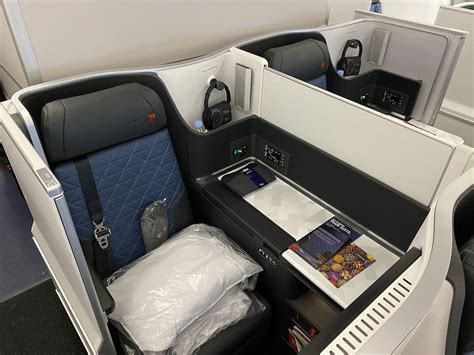
Beyond emissions, the A330-900 delivers superior in-flight experience. Delta’s cabin configuration includes Delta One Suites, Delta Premium Select, Delta Comfort+, and Main Cabin. Passenger amenities include:
- Full flat-bed seating in Delta One
- Personal in-seat entertainment systems
- In-seat power and USB ports
- Onboard Wi-Fi (including free Delta Sync Wi-Fi on select routes)
This blend of efficiency and luxury positions Delta as a premium choice for transatlantic and transpacific flyers.
Fleet Integration and Route Strategy
Delta’s strategic integration of the A330-900 into its network includes pairing the aircraft with some of its most competitive and high-demand markets. For example, routes like Seattle–Amsterdam and New York–Los Angeles see frequent deployment, balancing both international reach and high-volume domestic demand. The flexibility of the A330-900’s range and capacity allows Delta to maximize yield by matching aircraft capabilities with specific route profiles.
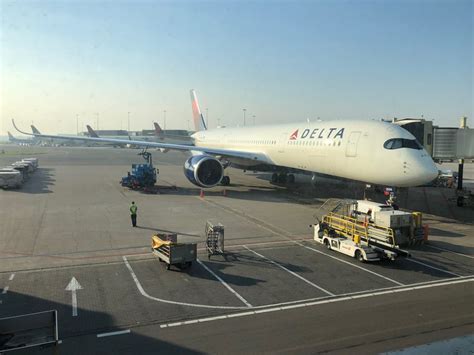
In terms of fleet composition, Delta now operates a 986-aircraft strong mainline fleet, with Airbus slightly edging out Boeing (502 vs. 484 aircraft). The Airbus dominance is set to increase with additional orders for A220s, A321neos, and A350s, while Boeing only contributes via the 737 MAX 10 in Delta’s current order book.
A Broader Shift Toward Airbus
Delta’s continued partnership with Airbus goes beyond the A330-900. The carrier’s multi-pronged strategy includes significant investments in the Airbus A220, A321neo, A350-900, and the upcoming A350-1000. With no new midsize jets from Boeing, partly due to delays and legal challenges surrounding the 737 MAX, Delta appears to be doubling down on its relationship with Airbus.
Airbus, in return, has frequently highlighted Delta’s significance. A 2019 statement from the manufacturer emphasized how Delta’s deployment of the A330-900 enhances the airline’s widebody capabilities, offering greater profitability, fuel savings, and customer satisfaction.
The Delta–Airbus synergy reflects a maturing alliance that strengthens Delta’s operational efficiency while signaling to the industry a firm departure from its historic reliance on Boeing.
The Only U.S. Flag Carrier Using the A330-900neo
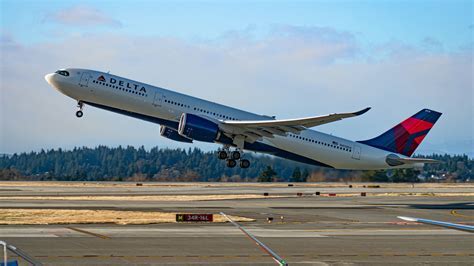
Despite the success of the A330-900 worldwide, no other U.S. airline—legacy or low-cost—has opted to include this aircraft in its fleet. While competitors such as United Airlines and American Airlines continue to favor Boeing 787s or older A330 models, Delta stands as the exclusive U.S. operator of the A330-900.
This exclusivity provides Delta with differentiation in both marketing and service offering. It allows the airline to boast newer cabin interiors, greater fuel efficiency, and enhanced passenger amenities unmatched by its U.S. competitors on similar routes.
Future Outlook: A330-900 at the Heart of Delta’s Growth
Looking forward, Delta’s final three A330-900 deliveries are expected between September and December 2025, bringing the fleet to 39 units. While there are no public plans for additional orders beyond that, Delta’s historical pattern suggests ongoing evaluation of long-haul market dynamics and environmental standards.
Should demand continue to rebound post-pandemic—and with rising pressure for sustainable aviation—the A330-900 could play a pivotal role in Delta’s transoceanic strategy for the next decade.
Additionally, given Airbus’ ability to deliver consistent upgrades and the strong existing partnership between the two companies, further expansion of the A330neo fleet remains a plausible future scenario.
Conclusion
Delta Air Lines’ role as the largest global operator and only U.S. airline flying the Airbus A330-900neo speaks volumes about its strategic foresight. The aircraft’s blend of economics, range, and passenger comfort allows Delta to serve key global routes efficiently while maintaining a sustainable and modern fleet. As the global aviation landscape continues to evolve, Delta’s pioneering use of the A330-900 not only sets it apart from U.S. competitors but also signals a deeper, ongoing transformation in fleet management and passenger service.
From Atlanta to Lagos and Seattle to Taipei, the A330-900 is quietly powering Delta’s global footprint, one widebody flight at a time.