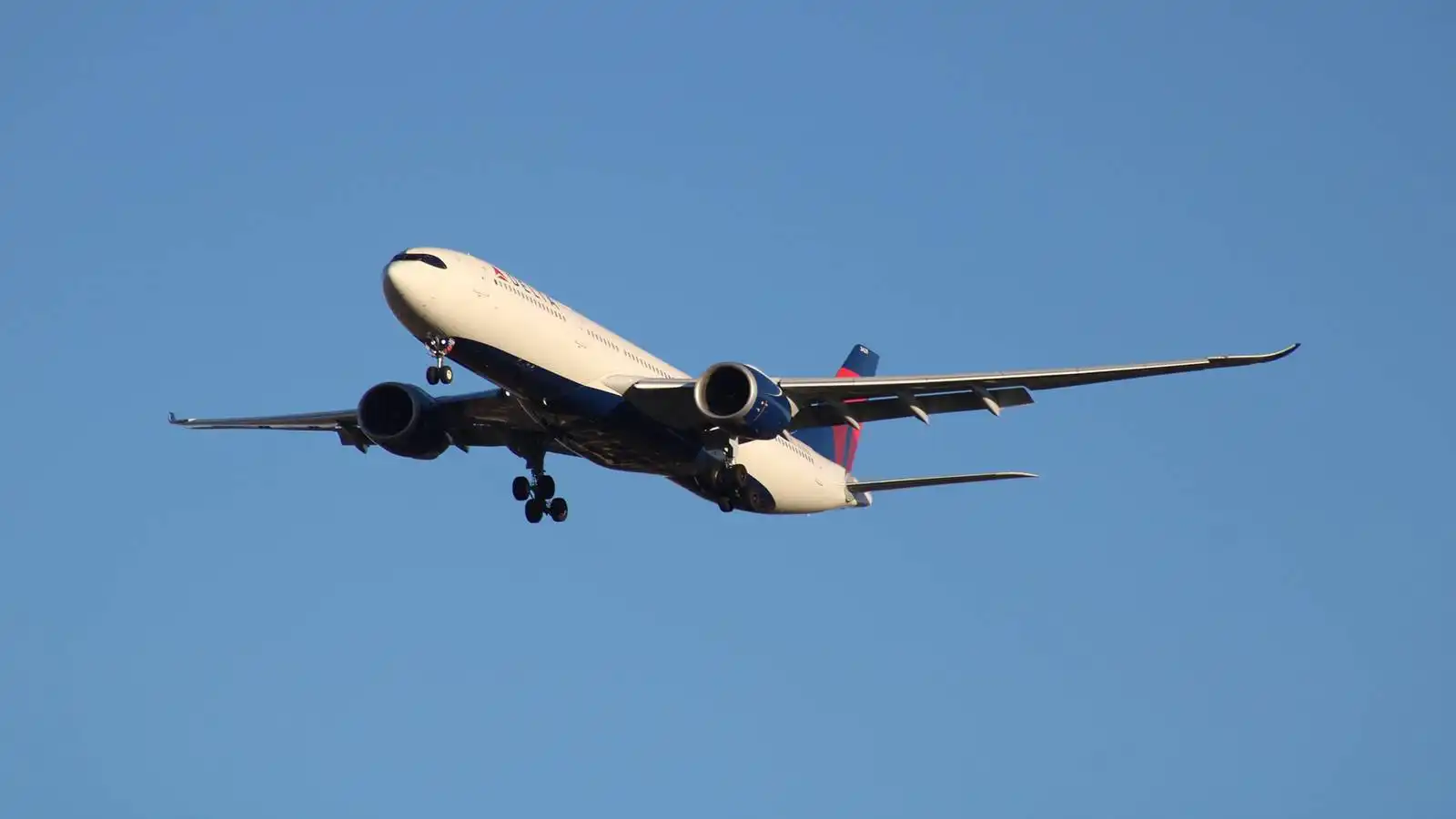
The Airbus A330-900neo has become one of the most important long-haul aircraft in modern commercial aviation, combining improved fuel efficiency, extended range, and a next-generation passenger cabin. While the aircraft was designed to replace older A330 variants on medium- and long-haul missions, several airlines are pushing it into demanding operations that approach the upper limits of its capabilities. In 2026, six routes connecting US airports stand out for operating the A330-900neo across distances exceeding 4,900 nautical miles, with multiple flights requiring more than 12 hours of flying time.
According to Cirium schedule data covering January through December 2026, the longest Airbus A330-900neo route involving a US airport stretches between Rome Fiumicino and Los Angeles, covering 5,521 nautical miles (10,230 kilometers). The route demonstrates how modern widebody aircraft are allowing airlines to connect distant markets with greater efficiency while maintaining premium passenger experiences.
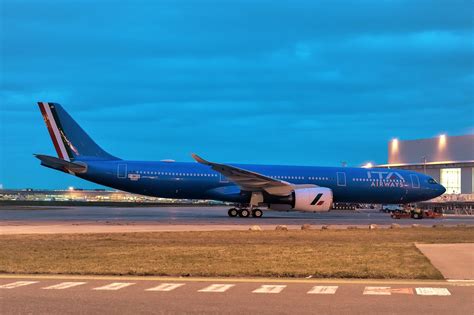
Three airlines dominate this list: ITA Airways, Delta Air Lines, and Condor. Delta operates three of the six longest A330-900neo services, connecting Atlanta and Seattle with destinations across Europe, Asia, and Africa. ITA Airways occupies the top two positions with its Rome services to California, while Germany’s Condor represents the leisure aviation sector with its Frankfurt–Los Angeles operation.
These routes highlight the versatility of the A330neo family. Although newer aircraft such as the Airbus A350 and Boeing 787 Dreamliner are often associated with ultra-long-haul flying, the A330-900neo remains highly competitive because of its lower operating costs, efficient Rolls-Royce Trent 7000 engines, and proven passenger capacity.
6. Athens to Atlanta: Delta’s Longest European Airbus A330-900neo Route
The sixth-longest Airbus A330-900neo route serving the United States in 2026 is Delta Air Lines’ Athens–Atlanta service, covering approximately 4,953 nautical miles (9,175 kilometers). The route represents one of Delta’s most important seasonal connections between the United States and Greece, linking the airline’s largest hub with one of Europe’s most popular Mediterranean destinations.
Delta schedules 324 flights in each direction during 2026, with operations concentrated between March and October. During the peak summer season, the airline increases capacity to as many as two daily flights to accommodate strong leisure demand and significant Greek-American traffic in the southeastern United States.
The westbound journey from Athens to Atlanta requires approximately 12 hours and 15 minutes to 12 hours and 30 minutes, making it a true long-haul mission. The eastbound return is shorter, usually between 10 and 10.5 hours, thanks to favorable Atlantic winds.
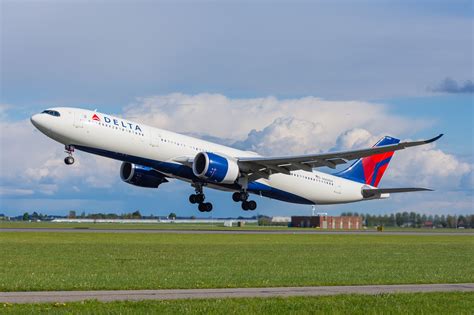
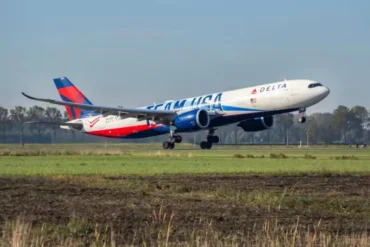
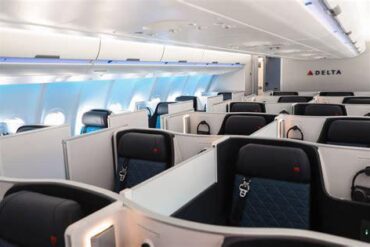
The introduction of the A330-900neo represented a major upgrade compared with the Boeing 767-300ER previously used on the route. The newer aircraft provides around 20% better fuel efficiency, improved cargo capability, and a more advanced cabin featuring Delta One Suites, Premium Select seating, and upgraded economy cabins.
For Delta, Athens–Atlanta is more than a seasonal tourist route. It demonstrates the airline’s strategy of connecting international destinations directly from its Atlanta hub instead of relying only on traditional coastal gateways such as New York or Boston.
5. Seattle to Shanghai: The A330-900neo’s Pacific Challenge
The only transpacific route among the six longest A330-900neo operations is Delta’s Seattle–Shanghai Pudong service, measuring 4,972 nautical miles (9,212 kilometers).
Operating from Delta’s Pacific gateway at Seattle-Tacoma International Airport, the route connects the technology hub of the Pacific Northwest with China’s largest commercial center. Delta schedules approximately 86 to 87 flights in each direction during 2026, with service operated by the A330-900neo for part of the year.
The westbound flight from Seattle to Shanghai takes approximately 12 hours and 45 minutes to 13 hours and 30 minutes, depending on seasonal wind patterns. The return journey benefits from Pacific jet streams and can be completed in around 11 hours and 28 minutes.
Seattle–Shanghai is strategically important because of Delta’s partnership with China Eastern Airlines, which allows passengers to connect beyond Shanghai to additional destinations throughout mainland China.
However, the A330-900neo’s role on this route is changing. Delta has moved toward a broader Airbus A350 transpacific strategy, and the Shanghai service transitioned away from the A330neo as the airline adjusted its widebody fleet plans.
Despite its relatively short period of operation, Seattle–Shanghai demonstrates that the A330-900neo is capable of handling challenging Pacific missions traditionally dominated by larger aircraft.
4. Frankfurt to Los Angeles: Condor’s Long-Range Leisure Operation
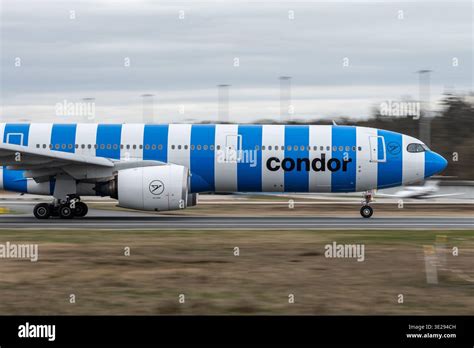
Germany’s Condor operates the fourth-longest Airbus A330-900neo route connected to the United States, flying between Frankfurt and Los Angeles over a distance of 5,045 nautical miles (9,348 kilometers).
The route is one of the highlights of Condor’s complete widebody fleet renewal program. By 2024, the airline had replaced its aging Boeing 767-300ER fleet with 18 Airbus A330-900neos, creating one of the newest long-haul fleets among European leisure carriers.
The westbound flight from Frankfurt to Los Angeles is the longer direction, requiring approximately 12 hours, primarily because of prevailing Atlantic headwinds. The eastbound return usually takes between 10 hours and 15 minutes and 11 hours and 15 minutes.
Condor operates the route mainly during the busy summer travel season, when demand between Germany and Southern California increases significantly. The airline’s A330-900neo carries 310 passengers in a three-class configuration, including 26 business-class lie-flat seats and four premium front-row seats marketed as Prime.
Unlike major network carriers, Condor focuses heavily on leisure travelers while competing directly with Lufthansa on important transatlantic markets. Its lower-cost structure and competitive business-class pricing have helped it attract passengers looking for premium service without traditional network airline fares.
3. Lagos to Atlanta: Delta’s Longest Africa Connection
The third-longest A330-900neo route on this list connects Lagos, Nigeria, and Atlanta, covering 5,077 nautical miles (9,407 kilometers).
Delta operates this route approximately four times per week in 2026, scheduling 60 flights in each direction. The lower frequency compared with European routes reflects the unique demand patterns of the West African market, where passenger traffic is strong but more seasonal.
The westbound journey from Lagos to Atlanta lasts approximately 12 hours and 45 minutes, while the return flight is shorter at around 11 hours and 15 minutes to 11 hours and 55 minutes.
The route benefits from strong demand from Atlanta’s Nigerian-American community, while cargo operations also contribute significantly to profitability. Flights transport products such as electronics, perishables, pharmaceuticals, and industrial equipment between the two continents.
Delta replaced older Boeing 767 aircraft with the A330-900neo on this service, bringing improved passenger comfort, greater efficiency, and additional cargo capacity.
2. Rome to San Francisco: ITA Airways Pushes the A330neo Farther West
ITA Airways operates the second-longest Airbus A330-900neo route serving the United States: Rome Fiumicino to San Francisco, covering 5,443 nautical miles (10,085 kilometers).
The route requires approximately 12 hours and 50 minutes westbound, while the return journey from San Francisco to Rome takes around 12 hours and 10 minutes.
ITA schedules 223 flights in each direction during 2026, adjusting frequencies according to seasonal demand. The airline operates daily service during the summer peak but reduces flights during quieter winter periods.
The route is operated with ITA’s modern A330-900neo fleet, featuring 291 seats across three cabins. Passengers receive a premium experience with 30 business-class seats in a 1-2-1 configuration, 24 premium economy seats, and 237 economy seats.
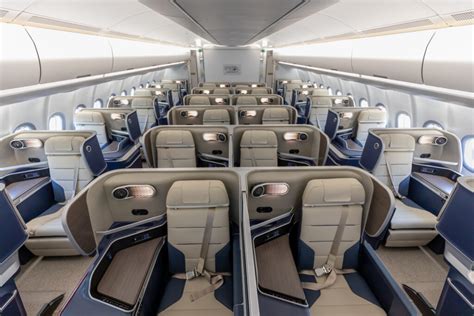
Rome–San Francisco is a significant market connecting Italy with California’s technology and tourism industries. The route also highlights ITA’s transition period as the airline strengthens its position within the broader European aviation market.
With an average fleet age of less than two years, ITA’s A330-900neos represent some of the newest examples of the aircraft type operating worldwide.
1. Rome to Los Angeles: The Longest Airbus A330-900neo Route in the US Market
The title of the longest Airbus A330-900neo route connected to the United States belongs to ITA Airways’ Rome Fiumicino–Los Angeles service, covering an impressive 5,521 nautical miles (10,230 kilometers).
The westbound journey takes approximately 13 hours to 13 hours and 30 minutes, placing it among the most demanding missions ever operated by the A330 family. The return flight benefits from favorable winds and typically takes around 12 hours.
ITA scheduled 120 flights in each direction during 2026, although the airline later transitioned the route to the larger Airbus A350, allowing increased capacity and additional range flexibility.
The move reflects a broader trend in long-haul aviation. Airlines often introduce efficient aircraft like the A330-900neo before upgrading high-demand routes to larger models once market conditions justify additional seats.
The Airbus A330-900neo Continues to Prove Its Long-Haul Capability
The six longest Airbus A330-900neo routes serving US airports in 2026 reveal the aircraft’s remarkable flexibility. From Mediterranean tourism markets to Pacific business connections and African diaspora travel, the aircraft continues to perform missions once reserved for larger widebody jets.
Although the A350 and 787 families dominate many new ultra-long-haul routes, the Airbus A330-900neo remains a powerful combination of efficiency, reliability, and passenger comfort. Its ability to operate flights beyond 5,000 nautical miles while delivering competitive economics ensures that airlines will continue using the aircraft on demanding international routes for years to come.
As carriers continue balancing fuel costs, capacity requirements, and passenger expectations, the A330-900neo’s role in global aviation remains far from finished. These six routes prove that even in an era of newer aircraft designs, Airbus’ latest A330 variant still has the range and capability to connect some of the world’s most distant cities.