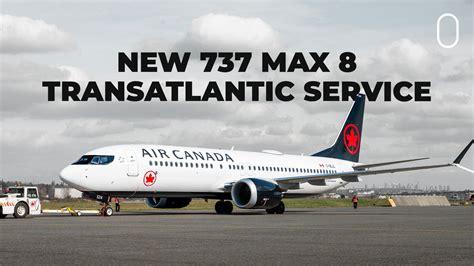
Air Canada is increasingly redefining what narrowbody aircraft can accomplish across the Atlantic. In 2026, the Canadian flag carrier is operating seven transatlantic routes with the Boeing 737 MAX 8, a strategic move that reflects a broader industry shift toward efficient, long-range narrowbody aircraft. These routes stretch as far as 3,300 miles, connecting Canadian cities with key destinations across Europe while targeting markets where widebody aircraft would be too large to operate profitably.
For decades, long-haul transatlantic travel was almost exclusively the domain of widebody jets such as the Boeing 777 or Airbus A330. However, improvements in aircraft efficiency, aerodynamics, and fuel consumption have changed that equation. The Boeing 737 MAX 8, with its enhanced range and modern systems, now enables airlines to serve smaller international markets with greater flexibility.
Air Canada’s approach highlights how airlines are adapting to evolving travel demand. Rather than concentrating solely on major hubs, the airline is expanding connections between secondary cities in Canada and Europe, offering travelers direct flights that previously required connections through larger airports.
The Growing Role of Narrowbody Aircraft on Transatlantic Routes
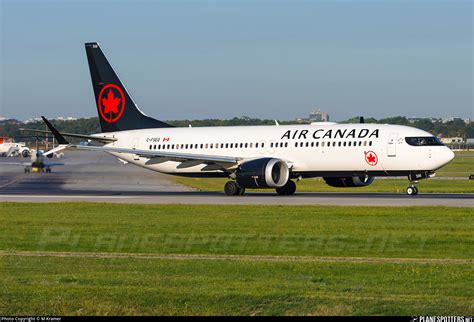
The aviation industry has entered an era where long-haul narrowbody operations are no longer experimental—they are becoming routine. Aircraft like the Airbus A321LR, A321XLR, and Boeing 737 MAX 8 are capable of flying thousands of miles while maintaining operational efficiency.
Air Canada has embraced this shift. By deploying the 737 MAX 8 across the North Atlantic, the airline can launch routes that might otherwise struggle to support larger aircraft. Smaller passenger capacity reduces financial risk while still enabling direct connectivity between cities that previously lacked nonstop service.
This strategy has already proven successful in several markets, particularly from eastern Canadian gateways such as Halifax and Montréal, where geographic proximity to Europe makes narrowbody flights viable. The expansion to seven routes in 2026 nearly doubles the number of MAX-operated European services compared with the previous year, signaling strong confidence in the aircraft’s capabilities.
Three New Transatlantic Routes Introduced in 2026
Air Canada’s expansion includes three newly introduced routes that significantly broaden its transatlantic reach. Each route highlights the airline’s goal of linking Canada with emerging European destinations that benefit from direct service.
The longest of these routes connects Montréal–Trudeau International Airport (YUL) with Nantes Atlantique Airport (NTE) in France. At 3,327 miles (5,354 kilometers), this corridor represents the longest transatlantic route Air Canada will operate with the 737 MAX 8. Although the route will primarily feature the Airbus A321XLR, the airline has scheduled several Boeing 737 MAX departures during the early summer months.
Flights between Montréal and Nantes will operate three times weekly between June and October, offering travelers a new nonstop connection to western France while supporting tourism and regional economic ties.
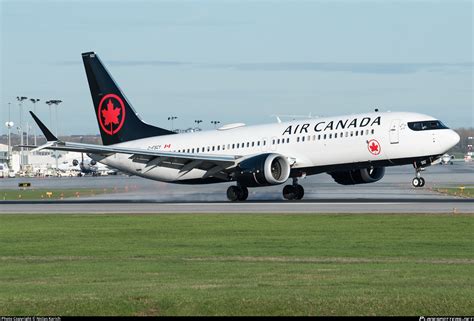
Another newly introduced route links Halifax Stanfield International Airport (YHZ) with Brussels Airport (BRU). Beginning on June 18, these flights will operate three times per week through September. A total of 35 scheduled departures are planned during the season, providing a convenient bridge between Atlantic Canada and Belgium’s capital.
The third new route originates from Toronto Pearson International Airport (YYZ) and travels to Ponta Delgada (PDL) in the Azores. This scenic Portuguese island destination will see three weekly flights between June and September, with approximately 38 rotations planned for the season.
Air Canada’s executive vice president and chief commercial officer, Mark Galardo, emphasized that these routes represent a broader strategy of strengthening economic relationships while expanding tourism opportunities across the Atlantic.
Established Routes Continue MAX Operations
In addition to the new routes, four transatlantic corridors that launched earlier remain part of Air Canada’s 737 MAX network in 2026. These routes demonstrate the sustained demand for narrowbody international travel.
The most prominent of these is the route between Halifax and London Heathrow Airport (LHR). This corridor has become a cornerstone of Air Canada’s narrowbody transatlantic operation, with nearly daily service scheduled throughout the year.
In total, 351 departures are planned in 2026. Flights operate every day starting February 14, while earlier weeks of the year maintain frequencies of up to four flights per week. Although slightly lower than the 355 departures recorded in 2025, the route remains one of the airline’s most significant transatlantic connections operated by a narrowbody aircraft.
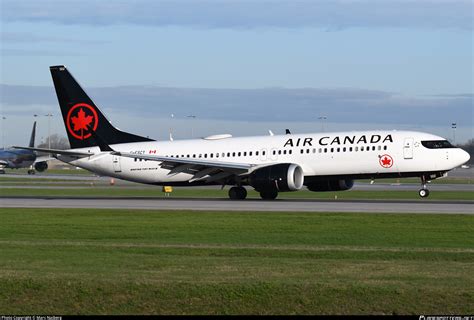
Air Canada also continues to operate seasonal flights to Reykjavík Keflavík International Airport (KEF) in Iceland. These routes depart from both Toronto and Montréal, reinforcing Iceland’s role as a popular summer destination for Canadian travelers.
The Toronto–Reykjavík route will see 106 flights in 2026, an increase from the 95 flights operated the previous year. Meanwhile, the Montréal–Reykjavík service rises from 76 flights to 85, indicating steady growth in demand for travel between Canada and Iceland.
Montréal to Edinburgh: Expanding Scottish Connections
Another route returning in 2026 connects Montréal and Edinburgh Airport (EDI) in Scotland. This service strengthens Air Canada’s footprint in the United Kingdom beyond its established London routes.
The airline has scheduled 39 Boeing 737 MAX 8 rotations on this route between July and September, up from 32 rotations in 2025. The season will begin with several flights operated by the Airbus A321XLR, after which the 737 MAX 8 will take over for the majority of operations.
This route highlights how airlines are increasingly tailoring aircraft choice to seasonal demand, balancing capacity with operational efficiency while still maintaining strong international connectivity.
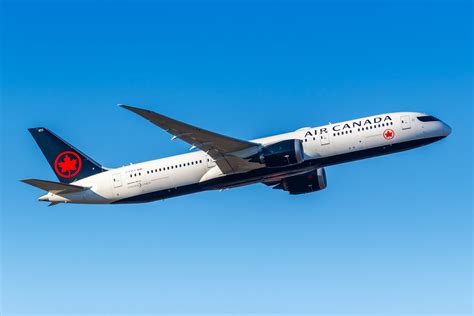
Inside Air Canada’s Boeing 737 MAX 8 Cabin
Air Canada’s Boeing 737 MAX 8 fleet plays a crucial role in enabling these long-distance routes. According to fleet data, the airline currently operates 50 aircraft of this type, with an average age of roughly 5.7 years—significantly younger than the airline’s broader fleet average of more than 17 years.
The aircraft are configured in a two-class cabin layout designed to balance comfort with efficiency. In total, each aircraft can accommodate 169 passengers.
At the front of the cabin are 16 business-class seats, arranged in a 2–2 configuration. These seats offer 38 inches of pitch, providing additional legroom and a more comfortable experience on flights that often last six to seven hours.
Behind the premium cabin sits the economy section with 153 seats, including 54 “Preferred” seats that provide extra legroom. While narrower than widebody aircraft, the cabin is designed with modern lighting, updated overhead bins, and improved noise reduction, creating a surprisingly comfortable environment for transatlantic travel.
A Strategic Shift in Transatlantic Aviation
Air Canada’s expanding use of the Boeing 737 MAX 8 on transatlantic routes reflects a broader transformation across the aviation industry. Airlines are increasingly leveraging narrowbody aircraft to connect secondary markets, reduce operating costs, and experiment with new routes that might not sustain larger planes.
For travelers, this shift translates into more direct flights, shorter travel times, and greater access to international destinations. For airlines, it opens the door to profitable long-haul operations that were previously impractical.
As technology continues to improve and aircraft range expands further, the once-unusual concept of crossing the Atlantic on a narrowbody jet is quickly becoming an ordinary part of global aviation. Air Canada’s seven MAX-operated routes in 2026 demonstrate how efficiently this new generation of aircraft can reshape international travel networks.