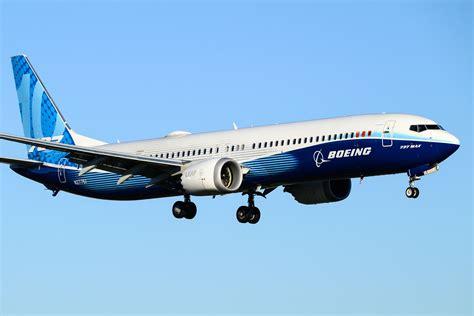
United Airlines’ fleet modernization strategy remains grounded in uncertainty as its Boeing 737 MAX 10 aircraft continue to rack up flight hours—without carrying a single passenger. These narrowbody jets, once expected to reshape United’s domestic operations, are caught in a web of delays and regulatory holdups that show no sign of immediate resolution. As of December 2025, several of these aircraft have flown more than 300 cumulative hours, purely for test and maintenance purposes.
A Fleet Aging Before Its First Flight
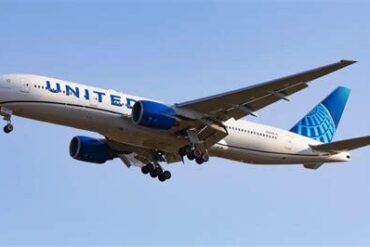
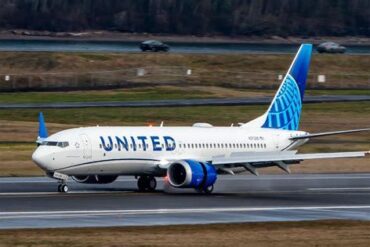
United Airlines currently has 167 Boeing 737 MAX 10s on order, and a portion of those have already been physically assembled. However, without FAA certification, these jets cannot enter commercial service. Despite sitting on tarmacs and undergoing periodic test flights to keep them airworthy, none have been delivered.
According to data from ch-aviation, the average age of United’s produced MAX 10s is 2.6 years, with the oldest, tail number N27751, now 4.5 years old. This particular aircraft completed its latest test flight from Boeing Field (BFI) on December 16, circling the skies in a loop back to its origin. Two others—N27752 and N27753—also took to the skies in December for similar non-commercial test flights.
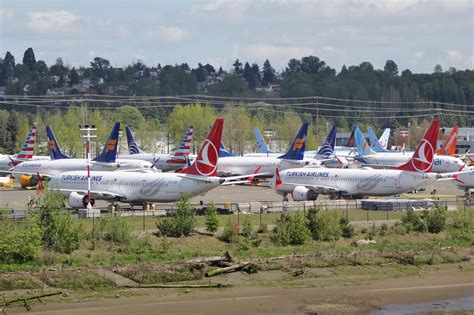
This series of maintenance flights highlights an uncomfortable reality: United’s investment is aging on the ground, not in revenue-generating service. The MAX 10 was hailed at its 2017 order announcement as a cost-efficient, high-capacity workhorse for United’s domestic routes. But in the years since, delays have become the defining feature of the aircraft.
Boeing’s ecoDemonstrator: A Glimmer of Purpose Amid Delay
While most of the MAX 10s remain idle, one aircraft—N27602—has taken on a more pioneering role. As part of Boeing’s ecoDemonstrator program, this particular jet was outfitted for sustainable aviation fuel (SAF) testing in collaboration with NASA. Donning a colorful, striped livery, it conducted flights powered by SAF, while a NASA Douglas DC-8 trailed it to measure contrail emissions and engine exhaust.
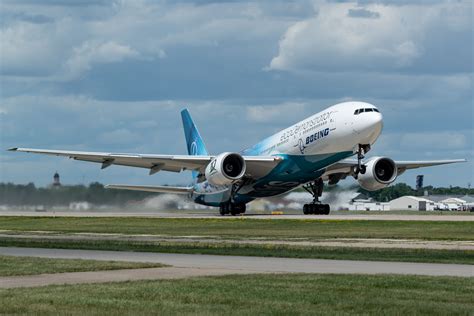
The program aimed to measure how SAF alters contrail ice formation and overall emissions compared to conventional jet fuel. The implications of this research are significant, given that contrails may trap heat in the Earth’s atmosphere. Boeing and NASA’s partnership suggests that even grounded fleets can offer scientific value—but for United, this is cold comfort when the rest of its MAX 10s remain unusable.
Certification Crisis: A Timeline of Delays and Setbacks
The saga of the MAX 10’s delay is closely tied to Boeing’s broader certification woes. Originally, United anticipated deliveries of the MAX 10 by late 2020. However, a combination of:
- the global grounding of the 737 MAX family in 2019,
- the impact of the COVID-19 pandemic,
- and persistent issues in Boeing’s internal quality control systems,
have pushed the certification timeline well beyond expectations. According to Aviation Week, United now hopes to receive its first MAX 10s in 2027—a full decade after the initial order.
This delay prompted United to remove the MAX 10 from its near-term fleet plan, effectively sidelining a key piece of its domestic expansion strategy. The longer the delay continues, the more pressure builds to reassess the airline’s dependency on Boeing’s delivery timelines.
Maintenance Flights and Storage Headaches
Aircraft that sit idle can deteriorate quickly, especially complex, electronics-laden jets like the MAX 10. To combat this, Boeing schedules periodic test flights to keep systems calibrated and fluids circulating. These flights, while necessary, consume valuable resources and present a paradox—planes that are airworthy, flying regularly, yet earn zero revenue.
The logistics of parking dozens of undelivered aircraft also pose challenges. Space at Boeing Field and other storage locations is finite, and the long-term tarmac exposure increases maintenance costs. The aging fleet means that by the time United finally inducts these aircraft into service, many will already require updates or replacements for components that have passed their shelf lives.
Strategic Implications for United Airlines
The longer United is without its MAX 10s, the greater the strategic cost. These aircraft were intended to replace older narrowbody planes, boost fuel efficiency, and increase seat capacity on key domestic routes. Without them, United is forced to stretch the use of older jets or reconfigure its deployment of other MAX variants and Airbus narrowbodies.
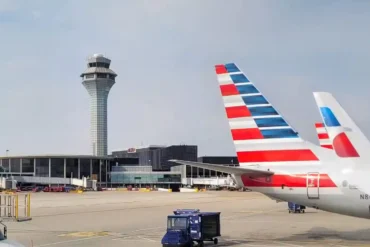
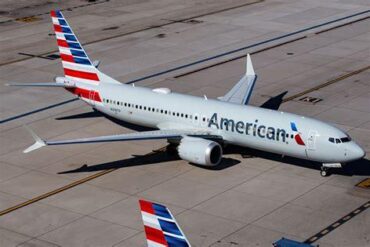
Additionally, the delay muddies United’s competitive stance against rivals like American Airlines and Delta, both of which are also modernizing their fleets but with different timelines and aircraft strategies. United’s heavy bet on the MAX 10, once seen as a savvy move, now looks increasingly vulnerable.
Regulatory Outlook: FAA Reform and Industry Frustration
The Federal Aviation Administration (FAA) has acknowledged systemic issues in its aircraft certification process and is planning an overhaul to streamline approvals. While this may benefit future aircraft, it remains unclear how quickly—or how effectively—those changes will impact the 737 MAX 10 certification process.
Industry stakeholders are voicing increased frustration at both Boeing’s manufacturing inconsistencies and the FAA’s regulatory delays. For United, this regulatory limbo puts pressure on fleet planning, investor relations, and customer confidence. In a sector where predictability and trust are paramount, uncertainty over aircraft deliveries has ripple effects throughout operations.
Looking Ahead: Hope Tempered by History
With over 300 flight hours accumulated and zero passengers transported, the Boeing 737 MAX 10 remains a symbol of the modern aviation industry’s complexities. United Airlines, once bullish on the MAX 10’s capabilities, now finds itself navigating a maze of delays with little clarity on when relief will arrive.
Until certification is secured, and the aircraft are officially delivered, United’s MAX 10 fleet will remain airborne ghosts—flying, aging, but not serving. And while scientific research and eco-initiatives provide a sliver of productivity, the core issue remains: a high-capacity aircraft built to drive revenue is instead devouring resources, caught in a holding pattern with no end in sight.