The Boeing 737 MAX program was designed to represent efficiency, modernization, and long-term fleet harmony for airlines built around single-type operations. Instead, it has become one of the most closely scrutinized commercial aviation programs in recent memory, with certification delays, engineering complications, and regulatory friction reshaping delivery timelines across multiple aircraft variants. At the center of the latest disruption is a deceptively simple operational constraint inside the cockpit: a five-minute limitation tied to engine anti-ice usage that has evolved into a symbol of deeper design and certification challenges.
What makes this issue particularly striking is not just the technical fault itself, but the way it intersects with real-world airline operations already in motion. The Boeing 737 MAX 8 and MAX 9 are flying passengers daily, yet crews are operating under procedural constraints that require careful manual monitoring of a system normally expected to function seamlessly within automated flight environments. In an industry where layered automation is designed to reduce cognitive load and eliminate memory-based risk, the emergence of a time-critical manual workaround has raised uncomfortable questions about design philosophy and regulatory oversight.
As certification of the Boeing 737 MAX 7 remains stalled, Southwest Airlines finds itself at the center of the fallout. The airline’s future fleet strategy depends heavily on a variant that has yet to receive full approval, leaving hundreds of aircraft orders in limbo while operational realities continue to evolve around interim fixes already affecting active flights across the MAX family. The result is a widening gap between what was planned on paper and what is possible in practice.
The Engineering Fault Behind the Anti-Ice Controversy
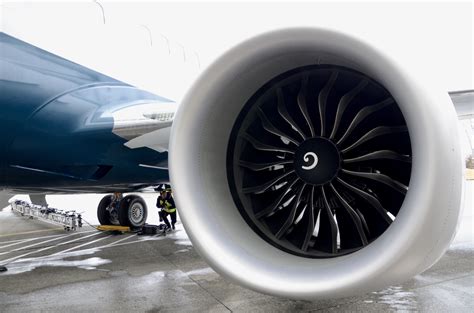
At the core of the issue lies the engine anti-ice system installed on the CFM LEAP-1B engines powering the Boeing 737 MAX family. Anti-ice systems are essential in modern aviation because they prevent ice accumulation on engine inlets during flight through cold and moisture-rich atmospheric conditions. Without them, airflow disruption and performance degradation can quickly escalate into serious safety risks.
The complication emerges under a narrower set of environmental conditions where the system behaves in ways not originally anticipated during certification modeling. Continuous activation of the anti-ice system in relatively warm, dry air at cruising altitudes between roughly 20,000 and 30,000 feet can cause excessive heat buildup in the carbon-composite inlet structure. Instead of protecting the engine, the system introduces thermal stress that risks damaging structural components of the nacelle inlet.
Engineering assessments indicated that this overheating risk could, in extreme cases, lead to material degradation severe enough to produce debris separation. Any liberated material striking the fuselage or other engine components introduces an additional hazard layer that regulators are obligated to treat with high seriousness, even if the probability remains low.
This technical nuance transformed what initially appeared to be a minor systems calibration issue into a certification-critical design concern. Rather than being isolated to theoretical modeling, the issue intersects directly with in-service operations already occurring in commercial environments, intensifying scrutiny from both regulators and airlines.
Why the Five-Minute Limitation Exists Operationally
The operational workaround introduced for existing Boeing 737 MAX aircraft centers on limiting engine anti-ice usage to short durations under specific conditions. The logic behind this restriction is straightforward: if prolonged activation creates a thermal risk, then minimizing continuous use should reduce exposure to the problematic temperature threshold.
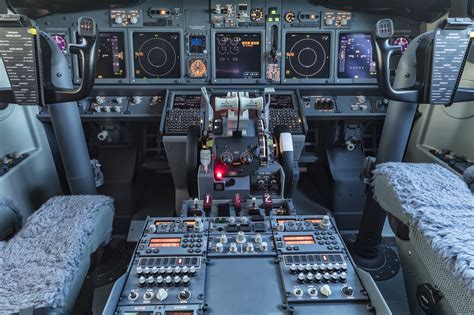
However, the execution of this workaround introduces an unusual challenge in modern flight deck environments. Pilots are required to manually deactivate the system after approximately five minutes when operating in conditions where icing is not actively present. The absence of an integrated cockpit timer or automated alert mechanism places the responsibility entirely on human memory during high workload phases of flight.
This creates an operational environment that stands in contrast to contemporary cockpit design philosophy, which prioritizes automation and redundancy to reduce reliance on human recall. Even routine cockpit procedures are typically supported by alerts, checklists, and system feedback loops designed to minimize the chance of timing errors.
In this case, pilots must integrate a time-sensitive constraint into an already complex workload involving navigation, communication, monitoring, and aircraft systems management. The resulting procedural burden has led to reports of informal coping mechanisms, including handwritten reminders placed within the cockpit environment. While such practices may appear trivial on the surface, they highlight the cognitive pressure introduced by the workaround.
Inside the FAA Directive and Cockpit Reality
The Federal Aviation Administration formalized operational restrictions through an Airworthiness Directive that effectively codifies the five-minute limitation under defined atmospheric conditions. This directive ensures that all operators of affected aircraft must comply with the same procedural framework, regardless of airline or route structure.
From a regulatory standpoint, the directive reflects a balancing act between immediate operational safety and longer-term engineering resolution. Rather than grounding the aircraft, authorities opted to allow continued operation under controlled limitations while Boeing develops a permanent design fix. This approach is not unusual in aviation safety management, where mitigations are often deployed temporarily while root causes are addressed through engineering redesign.
Yet the cockpit reality introduces friction between procedural intent and human execution. Flight crews operate in dynamic environments where multiple time-sensitive tasks compete for attention. Even small increases in cognitive load can elevate the probability of procedural deviation, especially during turbulence, air traffic coordination changes, or unexpected operational events.
The absence of automated enforcement or system-driven reminders makes the procedure uniquely dependent on disciplined adherence. While aviation safety culture is built on procedural compliance, it is also deeply aware of human limitations. This tension is precisely what has made the five-minute rule such a focal point of debate within industry discussions.
The Human Factors Problem: Memory vs Automation
Modern commercial aviation is defined by an ongoing effort to reduce reliance on human memory for safety-critical actions. Aircraft systems are designed with redundancy, alerts, and automated safeguards precisely because human attention is finite and vulnerable to distraction under pressure.
The anti-ice limitation disrupts this design philosophy by introducing a time-based manual intervention that is not inherently enforced by cockpit systems. This shifts responsibility from machine-assisted compliance to individual situational awareness, a transition that aviation human factors research has historically treated with caution.
While pilots are extensively trained to manage checklists and procedural timing, the broader industry trend has consistently moved toward system-assisted compliance rather than memory-based execution. This is why even minor deviations from automation-supported workflows attract significant attention from safety analysts.
In this context, the five-minute rule becomes more than a procedural detail. It becomes a case study in how legacy design assumptions can collide with modern expectations of cockpit automation. The debate is not simply about whether pilots can safely manage the limitation, but whether they should be required to do so without technological reinforcement.
Southwest Airlines and the MAX 7 Dependency Trap
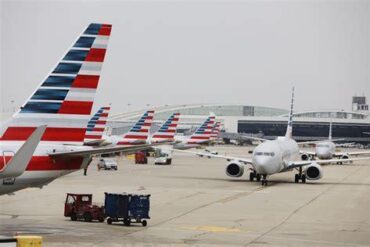
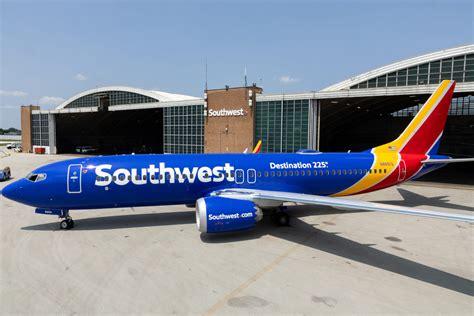
Southwest Airlines occupies a uniquely exposed position in this situation due to its long-standing commitment to an all-Boeing 737 fleet strategy. The airline’s operational model depends heavily on fleet commonality, which simplifies training, maintenance, and scheduling while maximizing efficiency across its network.
The Boeing 737 MAX 7 was expected to play a central role in this strategy. As the smallest member of the MAX family, it offers improved fuel efficiency and optimal capacity for thinner domestic routes where larger aircraft would be economically inefficient. Hundreds of aircraft orders were placed with the expectation of timely certification and delivery.
Instead, repeated delays have left Southwest in a prolonged state of fleet uncertainty. The airline continues to operate older 737-700 aircraft while integrating larger MAX 8 units that do not always align with the intended role of the MAX 7. This mismatch creates inefficiencies in capacity planning and route optimization that compound over time.
Southwest’s reliance on a single aircraft family amplifies the impact of any disruption affecting one variant. When certification delays extend beyond initial projections, the entire fleet transition strategy is forced into recalibration, affecting pilot scheduling, maintenance planning, and long-term network design.
Fleet Strategy Disruption and Financial Ripple Effects
The consequences of delayed aircraft certification extend far beyond delivery schedules. Airlines structure long-term financial and operational planning around assumed fleet availability years in advance. When those assumptions shift, the effects cascade through multiple layers of the organization.
Training programs must be adjusted as new aircraft types enter or fail to enter service on schedule. Simulator availability becomes misaligned with projected pilot onboarding timelines. Maintenance infrastructure investments are delayed or underutilized. Even route expansion plans must be reconsidered when expected capacity growth fails to materialize.
For Southwest, the absence of the MAX 7 creates a structural imbalance in fleet composition. Larger MAX 8 aircraft can fill some of the gap, but they do not offer the same seat capacity optimization for shorter routes. Over time, this can lead to either underutilized capacity or reduced frequency, both of which impact revenue efficiency.
These ripple effects demonstrate how a single engineering issue can propagate into broad economic consequences across an entire airline ecosystem. What begins as a technical certification challenge ultimately reshapes network strategy and financial forecasting at scale.
Boeing’s Delayed Fix and Certification Gridlock
Boeing’s response to the anti-ice issue has shifted toward developing a permanent engineering redesign rather than relying on operational exemptions. This approach aims to eliminate the root cause entirely by modifying engine inlet architecture and associated thermal management characteristics.
However, redesigning certified aircraft systems is a complex process that requires extensive validation, testing, and regulatory review. Each modification must be evaluated not only in isolation but also in terms of its interaction with existing systems, aerodynamics, and maintenance procedures.
The certification environment has also become significantly more stringent following previous safety incidents and heightened regulatory scrutiny. Authorities are applying closer oversight to every stage of the approval process, reducing the pace at which design changes can be approved and implemented.
Because the same anti-ice issue affects multiple MAX variants, certification timelines for different aircraft models become interdependent. This creates a bottleneck where progress on one variant is tied directly to engineering outcomes on another, effectively amplifying delays across the entire program.
Competitive Pressure from Airbus A321neo
While Boeing navigates certification challenges, Airbus continues to strengthen its position in the high-capacity narrowbody segment through the A321neo family. This aircraft has become the dominant choice for airlines seeking long-range, efficient narrowbody performance with flexible seating configurations.
The delay of the 737 MAX 10 in particular has significant strategic implications because it was intended to compete directly with the A321neo. Without it, Boeing loses ground in a critical market segment that drives profitability for many airlines operating dense route networks.
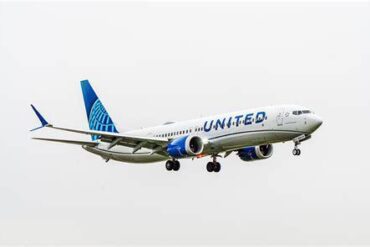
Airlines such as United and WestJet have adjusted fleet planning strategies in response to uncertainty around MAX 10 availability. Each delay reinforces Airbus’s advantage, allowing it to secure additional orders and strengthen long-term market positioning.
This competitive dimension adds further urgency to Boeing’s certification challenges, transforming what might otherwise be a contained engineering issue into a broader industry positioning struggle.
Symbolism of the Five-Minute Rule
Beyond its technical dimensions, the five-minute anti-ice limitation has become symbolic of broader questions surrounding aircraft design, regulatory oversight, and industrial trust. The image of pilots manually timing system usage highlights a tension between modern automation expectations and operational reality.
In an industry defined by precision, redundancy, and system-driven safety, reliance on memory-based timing mechanisms feels discordant. Even if statistically safe under defined conditions, the perception of fragility can influence public confidence and regulatory posture.
For Boeing, this symbolism carries weight beyond engineering. It intersects with ongoing efforts to rebuild trust after previous program setbacks and reinforces scrutiny applied to every new certification milestone.
Outlook 2026+
As Boeing continues refining its engineering solution and regulators maintain heightened oversight, the path toward full certification of the MAX 7 remains tightly constrained by both technical and procedural factors. Southwest Airlines, along with other operators awaiting deliveries, must continue adapting fleet strategies around uncertain timelines.
The five-minute cockpit rule may ultimately be resolved through redesign, but its impact will persist as a case study in how small operational constraints can escalate into major industry disruptions. It reflects the interconnected nature of modern aviation, where engineering details, human factors, regulatory frameworks, and commercial strategy converge in ways that can reshape entire fleets.
In the broader aviation landscape, the situation underscores a simple reality: even the most advanced aircraft programs remain vulnerable to subtle design interactions, and when those interactions reach the cockpit, their consequences extend far beyond engineering diagrams into the strategic foundations of global airlines.