The global aviation industry is entering another decisive fleet renewal cycle, and Boeing’s latest order activity signals that the 737 MAX family is once again becoming central to airline growth strategies worldwide. After years of production disruptions, certification scrutiny, and delivery slowdowns, Boeing has posted one of its strongest four-month order performances in more than a decade. The momentum is reshaping how airlines plan routes, manage fuel efficiency, and position themselves for future passenger demand.
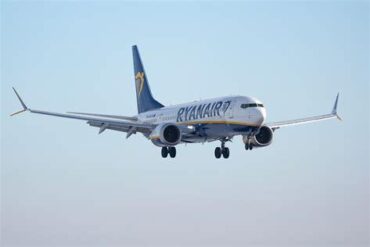
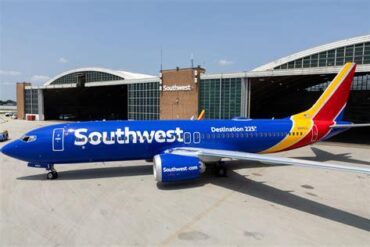
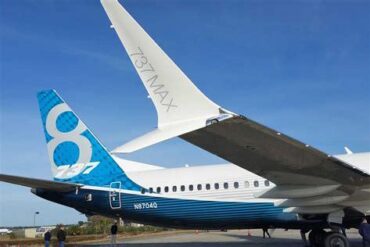
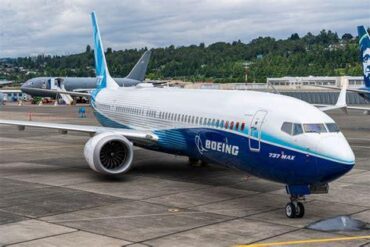
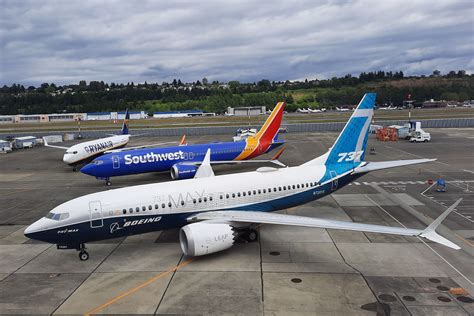
During April alone, Boeing secured gross orders for 136 aircraft, with 57 dedicated to the 737 MAX narrowbody family. Combined with orders received earlier in 2026, Boeing has now accumulated 157 MAX orders in just four months. The scale of these commitments highlights a renewed confidence among carriers seeking modern aircraft capable of balancing operational economics with expanding travel demand.
Airlines are no longer purchasing aircraft simply to replace aging jets. They are redesigning their entire network strategies around efficiency, flexibility, and lower operating costs. The 737 MAX has emerged as one of the most important tools in that transition.
The latest figures represent Boeing’s strongest order pace for this period since 2014, a remarkable milestone considering the turbulence the manufacturer has faced in recent years. More importantly, the numbers demonstrate that airlines still view the MAX platform as a cornerstone of short-haul and medium-haul operations across North America, Europe, Asia, and the Middle East.
Boeing’s 737 MAX Family Continues Dominating Narrowbody Demand
The narrowbody aircraft market remains the most fiercely contested segment in commercial aviation. Airlines increasingly favor single-aisle jets because these aircraft offer the versatility needed for dense domestic routes, regional connections, and even longer transcontinental operations.
Boeing’s April orders underline how valuable the 737 MAX remains in this environment. Of the 57 MAX aircraft ordered during the month, Boeing confirmed that Biman Bangladesh Airlines accounted for four 737 MAX 8 aircraft, while TUI added another MAX jet to its growing leisure-focused fleet. The remaining 52 aircraft came from unidentified customers, a common practice in the industry before formal announcements are finalized.
The substantial number of anonymous orders suggests that multiple airlines and leasing firms are positioning themselves ahead of future delivery bottlenecks. Aircraft availability has become one of the airline industry’s biggest competitive challenges. Manufacturers face supply chain limitations, engine shortages, and certification delays, making early order placement increasingly critical.
For travelers, this surge in MAX acquisitions could gradually transform the onboard experience. The aircraft delivers lower cabin noise, improved fuel efficiency, modern interiors, and better range capabilities compared to older Boeing 737 generations. Many airlines are also configuring the jets with upgraded seating, larger overhead bins, and enhanced in-flight entertainment systems designed to attract post-pandemic travelers seeking greater comfort on short-haul routes.
The MAX 8 remains Boeing’s strongest seller because it balances seating capacity with operational flexibility. Airlines can deploy the aircraft across a wide range of routes without requiring major infrastructure adjustments at airports. This adaptability allows carriers to maximize fleet utilization while reducing operating expenses.
Certification Progress Could Unlock Even Greater Boeing Growth
Although Boeing’s order numbers are climbing, the manufacturer still faces an important limitation. At present, deliveries primarily focus on the 737 MAX 8 and MAX 9 variants. The certification process for the smaller MAX 7 and larger MAX 10 continues to influence Boeing’s long-term competitive positioning.
The MAX 10, in particular, is expected to become a crucial aircraft for high-density routes where airlines want narrowbody economics with additional passenger capacity. Certification approval would immediately broaden Boeing’s appeal to major carriers seeking alternatives in the upper end of the single-aisle market.
Industry analysts expect certification progress to generate another wave of orders once regulators grant final approval. Many airlines are deliberately waiting before committing to larger fleet expansion programs centered around the MAX 10.
For Boeing, certification is not merely a regulatory milestone. It represents the gateway to restoring production momentum and strengthening its challenge against Airbus in the global narrowbody race.
Widebody Orders Reveal Confidence in International Travel Recovery
While the 737 MAX dominated headlines, Boeing’s widebody business also delivered impressive results during April. The manufacturer secured 79 widebody aircraft orders, reinforcing the view that long-haul travel demand continues strengthening across global markets.
Biman Bangladesh Airlines expanded beyond narrowbody acquisitions by ordering two Boeing 787-9 Dreamliners and eight larger 787-10 aircraft. Ethiopian Airlines added six 787-9 jets, while Israeli carrier El Al committed to additional Dreamliner variants as part of its fleet modernization strategy.
The Dreamliner remains highly attractive because of its fuel efficiency and operational versatility. Airlines increasingly favor aircraft capable of opening thinner international routes profitably while maintaining passenger comfort on long-distance flights.
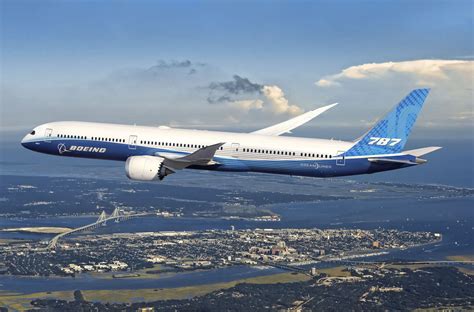
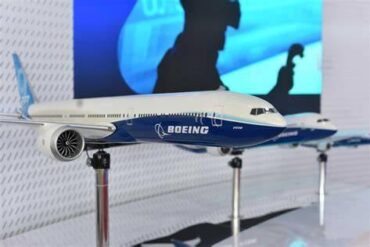
One of the most significant developments within Boeing’s April order book was the anonymous purchase of 28 Boeing 777X aircraft. The order marks the first recorded 777X commitment of 2026 and underscores persistent confidence in Boeing’s next-generation flagship widebody despite years of certification delays.
The 777X program has become one of aviation’s most closely watched aircraft developments. Boeing expects certification progress to continue through next year, potentially allowing deliveries to begin shortly afterward. Lufthansa’s first customer aircraft recently completed an important maiden flight milestone, fueling optimism that the long-awaited jet is finally approaching commercial service readiness.
For airlines planning future international networks, the 777X offers a compelling combination of range, fuel savings, and passenger capacity. Its eventual introduction could redefine premium long-haul travel across major global hubs.
Boeing Deliveries Gain Momentum Against Airbus
Orders alone do not determine market strength. Deliveries remain equally important because they generate revenue and allow airlines to place aircraft into active service.
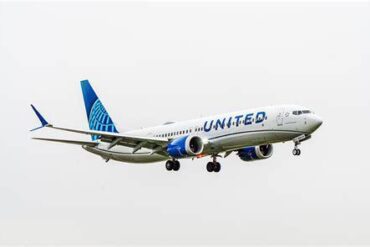
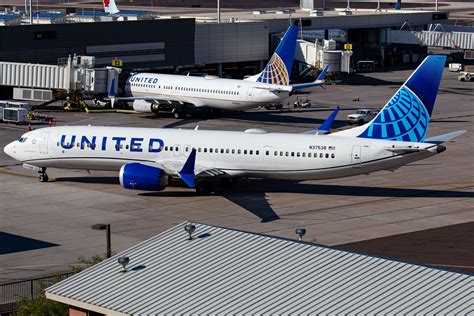
Boeing delivered 47 aircraft during April, with 34 belonging to the 737 MAX family. Those aircraft were distributed among 16 customers, including airlines and aircraft leasing companies. United Airlines and Hong Kong-based CDB Leasing each received six aircraft, representing the largest monthly allocations.
The remaining deliveries included cargo aircraft and widebody passenger jets. Boeing handed over three 777 freighters, four Boeing 767 cargo aircraft, and five Boeing 787 Dreamliners.
These delivery figures continue a broader trend that has strengthened throughout 2026. Boeing recorded approximately 10% year-on-year delivery growth during the first quarter and achieved an especially symbolic milestone by outperforming Airbus in quarterly deliveries for the first time since 2018.
Across the first four months of the year, Boeing delivered 190 aircraft compared to Airbus’ 181 deliveries during the same period. Although both manufacturers remain behind annual production targets, Boeing’s improving output suggests that operational stability is gradually returning.
What Boeing’s Order Surge Means for Future Travelers
The acceleration in Boeing orders reflects more than strong manufacturer performance. It signals how airlines are preparing for the next decade of global travel demand.
Modern aircraft such as the 737 MAX and 787 Dreamliner enable airlines to launch more direct routes, reduce fuel consumption, and improve profitability in a highly competitive market. These efficiencies often translate into expanded route networks and potentially more competitive ticket pricing for passengers.
Travelers are also likely to encounter newer cabin products as airlines continue retiring older aircraft. Improved lighting systems, quieter cabins, enhanced air filtration, and upgraded seating layouts are becoming standard features across newly delivered fleets.
At the same time, fleet modernization carries environmental significance. Airlines face mounting pressure to reduce emissions, and next-generation aircraft play a central role in achieving sustainability targets. The 737 MAX consumes significantly less fuel than previous-generation narrowbody jets, making it attractive not only from a financial perspective but also from a regulatory and environmental standpoint.
Boeing’s latest order surge therefore represents more than a recovery story. It reflects a broader transformation underway in commercial aviation — one where efficiency, flexibility, and passenger experience increasingly define airline competitiveness in the years ahead.