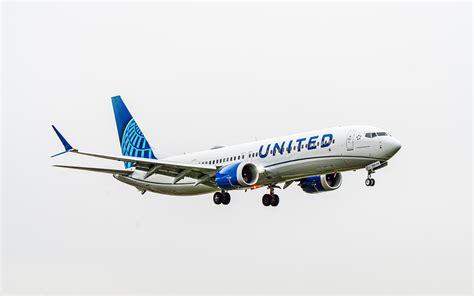
The Boeing 737 MAX has staged one of the most remarkable turnarounds in modern aviation. Only a few years ago, the aircraft symbolized crisis and uncertainty following two tragic accidents and a prolonged global grounding. Industry observers debated whether airlines would permanently shift away from the program. Yet today, the narrative has changed dramatically. Across the United States, airlines are signing major Boeing 737 MAX orders, reinforcing the aircraft’s role as a cornerstone of domestic aviation strategy.
The resurgence is not the result of a single factor. Instead, it reflects a convergence of fleet replacement cycles, strong domestic travel demand, fuel-efficiency economics, and limited aircraft availability across the industry. Major carriers including Alaska Airlines and Delta Air Lines have recently committed to large numbers of MAX aircraft, signaling confidence not only in the airplane itself but also in Boeing’s long-term production outlook.
For airlines that operate complex route networks and high-frequency schedules, the 737 MAX represents a logical evolution of the narrowbody aircraft that have powered American aviation for decades. Its advanced engines, improved aerodynamics, and compatibility with earlier Boeing 737 Next Generation (737NG) fleets make it an attractive investment during a period of industry transformation.
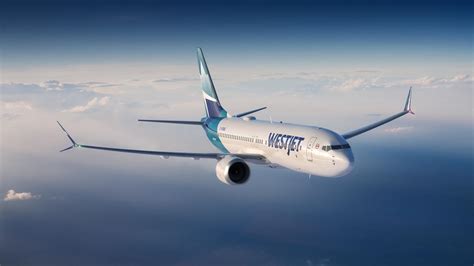
The Remarkable Comeback Of The Boeing 737 MAX
Aviation history rarely offers redemption stories on this scale. The Boeing 737 MAX program faced intense scrutiny after the 2018 and 2019 accidents involving Lion Air Flight 610 and Ethiopian Airlines Flight 302. Regulators worldwide grounded the aircraft for nearly two years while investigators examined design issues, pilot training procedures, and certification processes.
During that period, airlines reconsidered their fleet strategies. Some paused deliveries, others shifted attention toward competing aircraft such as the Airbus A320neo family. Confidence in the MAX appeared fragile.
The return to service in late 2020 marked the beginning of a gradual recovery. Aviation regulators including the Federal Aviation Administration (FAA) and the European Union Aviation Safety Agency (EASA) implemented new oversight frameworks, updated pilot training requirements, and mandated technical modifications to the aircraft’s flight control systems.
These steps restored regulatory confidence, but rebuilding airline trust required time. Carriers needed operational proof that the aircraft could deliver reliability, safety, and economic performance. Over the following years, the MAX accumulated millions of flight hours across global airlines, steadily reinforcing its credibility.
Today, US carriers are again placing large-scale orders, a development that would have seemed unlikely at the height of the crisis.
Fleet Replacement Is Driving The New Order Wave
One of the most powerful forces behind the surge in Boeing 737 MAX orders in the United States is the natural lifecycle of airline fleets.
Many aircraft currently operating within US domestic networks were delivered in the early and mid-2000s. These include hundreds of Boeing 737-700 and 737-800 aircraft, collectively known as the 737NG generation. After nearly two decades of service, these jets are approaching the point where operating costs begin to rise significantly.
Airlines face a familiar economic calculation. Older aircraft require heavier maintenance checks, burn more fuel, and may not meet evolving passenger expectations for cabin comfort and onboard technology. When those costs accumulate, replacing aircraft becomes financially sensible.
The 737 MAX family offers a direct successor to these aging jets. Airlines can transition from the NG series with minimal disruption because the aircraft share similar cockpit layouts, operational procedures, and maintenance infrastructure.
This continuity matters enormously for large carriers. Retraining thousands of pilots, redesigning maintenance systems, and investing in new spare parts inventories would require billions of dollars if airlines switched aircraft families entirely. The MAX allows them to modernize fleets while preserving operational familiarity.
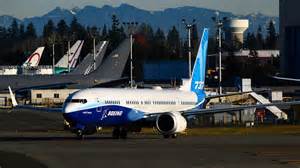
Alaska Airlines’ Historic Boeing Order Signals Confidence
One of the most significant developments in the recent surge occurred when Alaska Airlines announced the largest aircraft order in its history. The carrier committed to dozens of Boeing 737-10 aircraft, reinforcing its long-standing strategy of operating a predominantly Boeing narrowbody fleet.
Alaska Airlines has built its operational philosophy around fleet simplicity. Operating a single primary aircraft family allows the airline to streamline pilot training, reduce spare parts complexity, and maintain consistent maintenance procedures across its network.
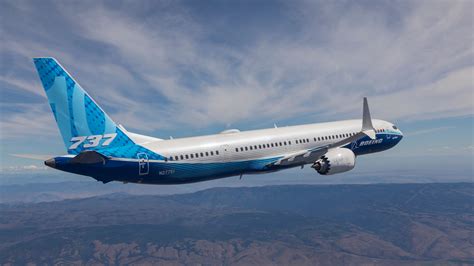
The addition of the 737-10, the largest variant within the MAX lineup, expands capacity while preserving those advantages. The aircraft can carry significantly more passengers than earlier models while delivering improved fuel efficiency per seat.
For Alaska, the order represents more than fleet expansion. It reflects a long-term vision for growth across North American and Pacific markets. The airline expects the MAX to support new routes, increased frequency on popular corridors, and the replacement of older aircraft within its fleet.
Industry analysts interpreted the announcement as a powerful signal. When a carrier deeply familiar with the 737 family commits to a record-breaking order, it suggests strong confidence in the aircraft’s future performance.
Delta Air Lines Surprises The Market With MAX Commitment
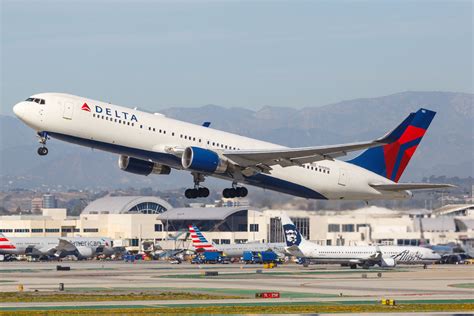
Another pivotal moment occurred when Delta Air Lines placed a surprise order for the Boeing 737-10. The decision carried particular significance because Delta had leaned heavily toward Airbus narrowbody aircraft in recent years.
Delta’s fleet includes large numbers of Airbus A220, A321, and A320 family aircraft, leading many analysts to assume that future narrowbody expansion would continue along that trajectory. The order for the 737-10 challenged that assumption.
Delta’s leadership emphasized the aircraft’s operating economics, passenger capacity, and cabin experience improvements. The airline concluded that the MAX variant offered compelling value for certain segments of its domestic network.
The decision illustrates an important reality within commercial aviation. Airline fleet planning is rarely about loyalty to a single manufacturer. Instead, it involves a complex evaluation of performance metrics, delivery timelines, operational compatibility, and financial considerations.
Delta’s move demonstrated that the 737 MAX family has regained enough credibility to compete directly with Airbus offerings, even among airlines that operate diverse fleets.
Fuel Efficiency And Operating Costs Matter More Than Ever
Airlines operate in a business environment where small efficiency improvements can translate into enormous financial impact. Fuel represents one of the largest expenses in airline operations, often accounting for a substantial portion of total costs.
The Boeing 737 MAX addresses this challenge through several technological enhancements.
The aircraft is powered by CFM International LEAP-1B engines, which are significantly more fuel efficient than the engines used on earlier 737 models. These engines incorporate advanced materials and aerodynamic design features that reduce fuel consumption and emissions.
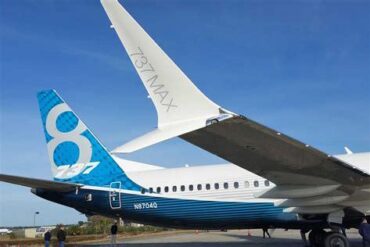
In addition to the engines, Boeing redesigned the aircraft’s winglets. The distinctive Advanced Technology Winglets improve aerodynamic efficiency by reducing drag during flight. Even minor aerodynamic gains become valuable when multiplied across thousands of flights annually.
Together, these improvements deliver double-digit fuel burn reductions compared with earlier 737 variants. Airlines operating high-frequency domestic routes benefit especially from these savings.
Over the lifespan of an aircraft, the cost advantages accumulate dramatically. Lower fuel consumption translates directly into improved profitability, making the MAX an attractive option for carriers seeking to control operating expenses.
Delivery Availability Is Becoming A Strategic Advantage
Another factor influencing airline decisions involves something less visible to passengers but critically important to planners: aircraft delivery slots.
The global aerospace industry continues to face supply chain challenges following the disruptions of the early 2020s. Engine manufacturers, component suppliers, and specialized production facilities are still rebuilding capacity. These constraints limit how quickly aircraft manufacturers can increase production rates.
Meanwhile, demand for new aircraft remains extremely strong. Airlines worldwide are ordering hundreds of narrowbody jets to replace aging fleets and expand capacity.
This dynamic has created a situation where delivery availability itself becomes a competitive advantage. Airlines must often secure aircraft years in advance to guarantee future growth.
In several cases, Boeing has been able to offer delivery positions that align with airline fleet replacement schedules. For carriers needing aircraft sooner rather than later, that timing becomes a decisive factor.
The Strategic Battle With The Airbus A320neo Family
The Airbus A320neo family remains the primary competitor to the Boeing 737 MAX. Both aircraft families dominate the global market for single-aisle jets used on short and medium-haul routes.
Airbus has achieved tremendous success with the A321neo, particularly in high-capacity configurations that approach the passenger capacity of small widebody aircraft. This capability allows airlines to operate longer routes with narrowbody economics.
However, the equation changes when airlines already operate large fleets of Boeing aircraft.
For carriers with extensive 737NG infrastructure, transitioning to the MAX preserves decades of investment in training systems, maintenance facilities, and operational procedures. Pilots can maintain similar type ratings, and airlines avoid the complexity of managing entirely different cockpit systems.
Fleet continuity may not always produce dramatic headlines, but it generates enormous financial benefits over time.
The result is a competitive landscape where airline history and infrastructure often shape aircraft decisions as much as performance specifications.
Regulatory Oversight And Certification Remain Critical
Despite the surge in orders, Boeing’s path forward still involves important regulatory milestones.
The Federal Aviation Administration continues to maintain close oversight of the company’s production processes. Following earlier safety concerns and more recent manufacturing quality issues, regulators have implemented detailed inspection protocols.
One of the most closely watched developments is the certification of the Boeing 737-10. This variant represents the largest and most capable aircraft within the MAX family. Several major US airlines are counting on it to support high-density domestic routes.
Any delay in certification could affect delivery schedules and fleet planning strategies. Airlines rely on predictable timelines when integrating new aircraft into their networks.
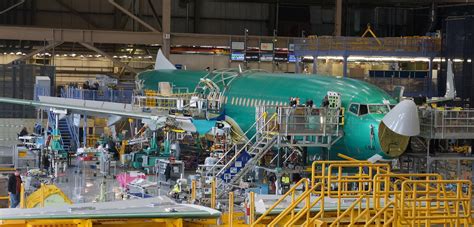
Beyond certification, Boeing must also ensure stable production rates while maintaining strict quality standards. Scaling output across a complex global supply chain requires coordination with hundreds of specialized suppliers.
Supply Chain Pressures Still Affect Aircraft Production
The aerospace supply chain remains one of the most intricate industrial ecosystems on the planet. Every commercial aircraft depends on thousands of components produced by suppliers across multiple continents.
Engine manufacturers, avionics specialists, composite material producers, and precision engineering firms all contribute to the final aircraft delivered to airlines.
Recent years have exposed vulnerabilities within this network. Labor shortages, raw material constraints, and logistical disruptions have affected production timelines across the industry.
Increasing the production rate of the Boeing 737 MAX therefore requires more than internal adjustments at Boeing. It depends on synchronized output from suppliers capable of delivering high-precision components on schedule.
If supply chain recovery proceeds smoothly, Boeing could gradually expand production to meet rising demand. If challenges persist, delivery timelines may stretch longer than airlines anticipate.
What The MAX Order Boom Means For The Future Of US Aviation
The renewed surge in Boeing 737 MAX orders represents more than a commercial success for Boeing. It signals a broader transformation within the American aviation landscape.
Airlines are preparing for decades of future growth while modernizing fleets to meet environmental targets and economic pressures. New aircraft bring quieter cabins, lower emissions, improved passenger comfort, and enhanced operational efficiency.
For passengers, the shift will become increasingly visible over the coming years as older aircraft gradually disappear from domestic routes. Travelers will encounter newer cabins, larger overhead bins, and more efficient aircraft operating the flights they take every day.
For Boeing, the order boom represents something even more significant: renewed trust from the airline industry’s most important market. Rebuilding that confidence required regulatory reform, engineering improvements, and years of operational reliability.
The next phase now depends on execution. If Boeing maintains production stability and meets delivery commitments, the 737 MAX will likely form the backbone of US domestic aviation well into the 2030s and beyond.
Commercial aviation evolves slowly but decisively. Aircraft programs span generations, shaping how millions of passengers travel every year. The resurgence of the 737 MAX suggests that despite its turbulent history, the aircraft has secured a powerful second chapter in the story of modern flight.