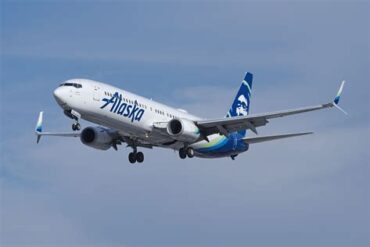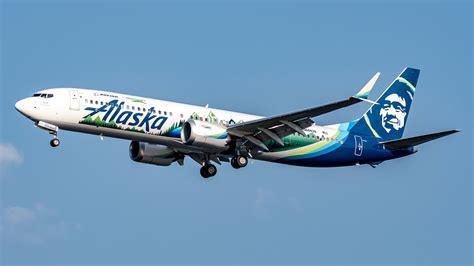
Alaska Airlines is rapidly scaling its Boeing 737 MAX 8 operations as the Seattle-based carrier deepens its investment in fleet modernization and international growth. With the airline now operating 17 Boeing 737 MAX 8 aircraft and eight more still on order, June marks a significant jump in utilization for the fuel-efficient narrowbody jet. New data shows Alaska will operate 1,632 flights using the MAX 8 this month, a sharp 22% increase compared to May.
The expansion reflects more than just fleet growth. It highlights Alaska Airlines’ broader strategy to strengthen Seattle as a major domestic and international hub while improving operational efficiency on high-demand leisure and business routes. The MAX 8 has quickly become one of the airline’s most important assets thanks to its lower fuel burn, extended range capabilities, and flexibility across both transcontinental and medium-haul international sectors.
Alaska’s MAX 8 fleet remains exceptionally young, averaging roughly one year in age. That youth gives the airline a competitive advantage at a time when carriers across North America continue dealing with aging fleets, maintenance bottlenecks, and aircraft delivery delays.
The June schedule demonstrates how aggressively Alaska is deploying the aircraft across its network.
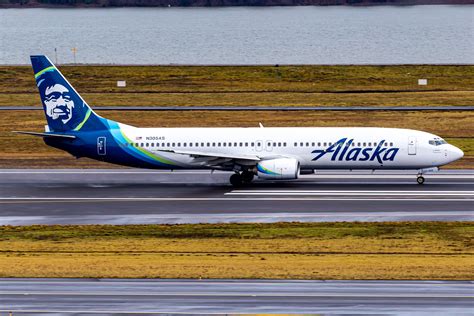
Burbank To Seattle Emerges As Alaska’s Largest MAX 8 Route
The busiest Boeing 737 MAX 8 route in Alaska Airlines’ network this June will be the connection between Hollywood Burbank Airport and Seattle-Tacoma International Airport. Alaska has scheduled 64 one-way flights on the route during the month, translating into more than 10,300 available seats.
The route’s prominence reflects growing demand between Southern California and the Pacific Northwest, particularly among leisure travelers and tech-sector passengers. Burbank has become increasingly attractive for travelers seeking an alternative to the congestion of Los Angeles International Airport, and Alaska has capitalized on that preference with expanded frequencies and premium-heavy scheduling.
The airline’s MAX 8 configuration accommodates 161 passengers across two cabins, allowing Alaska to balance premium demand with efficient seat economics. On the Burbank-Seattle route alone, the carrier will generate nearly 9.7 million available seat miles during June.
Los Angeles International Airport to Seattle ranks second in the MAX 8 network with 39 one-way flights. Meanwhile, Seattle to Fairbanks takes third position with 33 flights, reinforcing Alaska’s continued dominance in the state of Alaska and its strategic importance to the carrier’s identity.
Hawaii, Alaska, And International Routes See Increased MAX 8 Deployment
Beyond core West Coast routes, Alaska Airlines is increasingly using the Boeing 737 MAX 8 on longer leisure-oriented markets where fuel efficiency plays a major role in profitability.
Flights between Seattle and Lihue in Hawaii will see 31 one-way MAX 8 operations during June, producing more than 13.4 million available seat miles. The aircraft is also heavily scheduled on Anchorage-Seattle services and Burbank-Honolulu flights, illustrating the type’s versatility across both cold-weather and tropical markets.
One of the more notable developments is Alaska’s deployment of the MAX 8 on international services. The airline plans 30 flights between Los Angeles and Guatemala City during June, while Seattle’s seasonal connection to Reykjavik Keflavík International Airport also joins the growing list of MAX-operated international sectors.
The Reykjavik route is particularly significant because it demonstrates the Boeing 737 MAX 8’s extended-range capabilities. The seasonal service, launching on May 28, represents another step in Alaska Airlines’ ambition to transform Seattle into a serious international gateway.
Nearly Half A Billion Available Seat Miles Scheduled In June
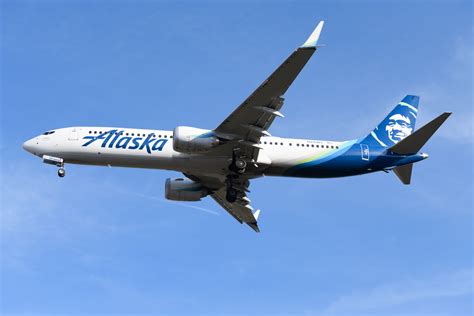
The scale of Alaska’s MAX 8 growth becomes clearer when examining the broader operational data. According to Cirium analytics, Alaska’s 1,632 MAX 8 flights in June will generate approximately 262,752 seats and more than 441 million available seat miles.
That represents a substantial jump from May, when the airline scheduled 1,329 flights with roughly 213,700 seats and 353 million available seat miles.
The growth is not simply about adding aircraft into service. Alaska appears to be strategically positioning the MAX 8 on routes where the aircraft’s economics offer the greatest benefit. Lower fuel consumption and improved range allow the airline to operate thinner long-distance routes profitably while maintaining frequency on dense West Coast markets.
In May, Los Angeles-Seattle was Alaska’s busiest MAX 8 route. Guatemala City ranked second, signaling the airline’s increasing confidence in international leisure markets from the U.S. West Coast.
Additional routes receiving significant MAX 8 service include:
- Seattle to Kona
- Los Angeles to Los Cabos
- San Diego to Los Cabos
- Dallas/Fort Worth to Seattle
- Seattle to San Jose
- Fairbanks to Seattle
These deployments underline Alaska’s strategy of combining leisure demand, hub connectivity, and operational efficiency into a single fleet-growth plan.
International Expansion Is Reshaping Alaska Airlines
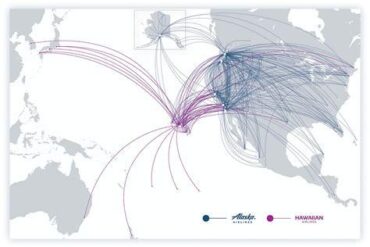
Alaska Airlines’ recent international expansion provides important context for the rapid increase in Boeing 737 MAX 8 flying. The carrier launched its first-ever nonstop route from Seattle to Rome in late April, followed shortly afterward by new flights to London Heathrow.
Those long-haul additions are helping redefine Alaska from a primarily West Coast domestic carrier into a more globally connected airline centered around Seattle.
While widebody aircraft handle the Rome and London routes, the Boeing 737 MAX 8 plays a critical supporting role by feeding passengers into Seattle from secondary domestic cities. Efficient narrowbody connectivity is essential for sustaining international growth, particularly as Alaska competes with larger network airlines at Seattle-Tacoma International Airport.
Speculation surrounding Alaska’s future long-haul ambitions has also intensified after aviation enthusiasts noticed imagery resembling Sydney Harbor in the airline’s updated safety video. Although the carrier has not announced service to Australia, the symbolism has fueled discussion about future expansion opportunities across the Pacific.
Boeing 737 MAX 8 Fleet Growth Will Continue Through 2026
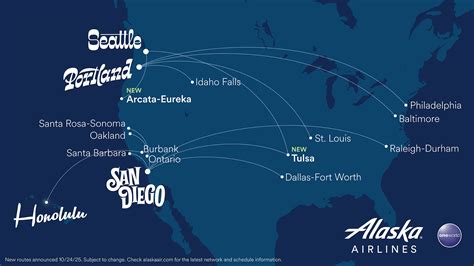
According to fleet data from ch-aviation, Alaska Airlines currently operates more than 250 aircraft across its combined narrowbody and widebody fleet. The continued arrival of additional MAX 8 aircraft will likely accelerate capacity growth across both existing and new routes.
The aircraft’s economics make it especially attractive during a period of fluctuating fuel prices and rising operational costs throughout the airline industry. For Alaska Airlines, the MAX 8 offers a combination of lower emissions, strong passenger comfort, and enough range to support ambitious network expansion.
As more aircraft join the fleet, travelers can expect Alaska to continue increasing frequencies on high-performing routes while exploring additional international opportunities from Seattle. The airline’s aggressive June schedule may ultimately represent only the early stages of a much larger transformation underway across its network.