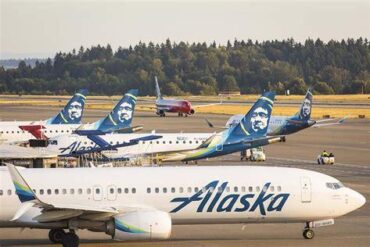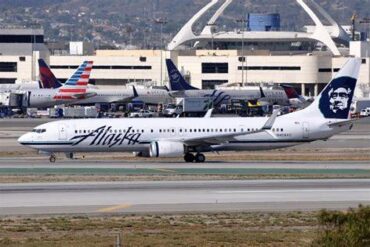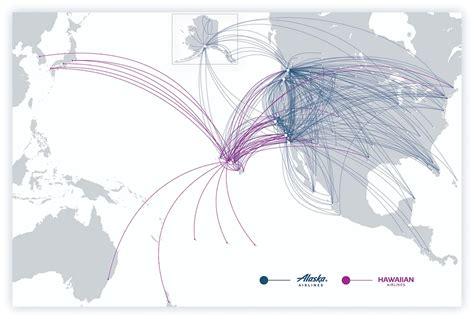
The skies between the U.S. mainland and Hawaii are shifting—not in altitude, but in class. As Alaska Airlines, now the parent company of Hawaiian Airlines, pushes through sweeping upgrades to its Boeing 737 fleet, the comfort divide between First, Premium, and Main Cabin passengers is widening. The result is a controversial redesign that boosts top-tier perks while quietly reducing the space and value historically reserved for the average traveler.
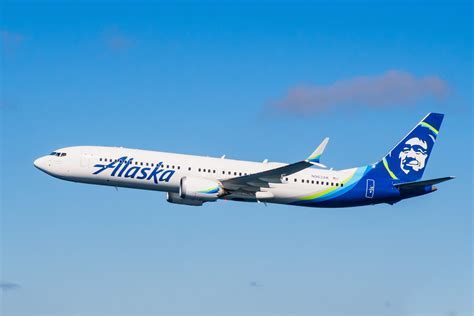
Alaska Airlines Expands Premium Footprint on Hawaii Routes
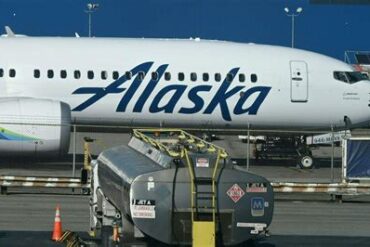
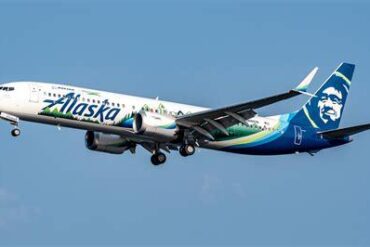
By the end of 2025, travelers flying between California and Hawaii will encounter a dramatically reshaped cabin experience aboard Alaska’s 737-800, 737 MAX 8, 737-900ER, and 737 MAX 9 aircraft. In a move that aligns with broader industry trends, First Class seating will jump from 12 to 16 seats, while Premium Class expands from 24 to 30 seats.
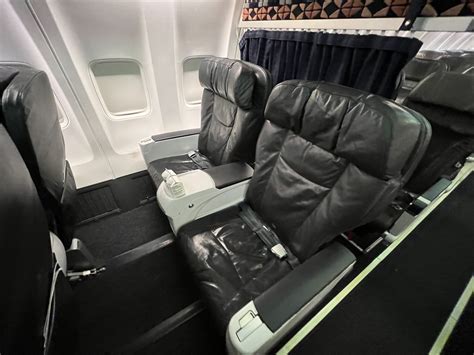
These enhancements are not subtle. The new First Class seats offer leg rests, seatback device holders, and USB-C charging ports—signifiers of a product targeting the leisure and business elite seeking more than just a reclining seat and complimentary mai tai. Premium Class will also offer more legroom and improved amenities, reflecting Alaska’s intent to capture high-margin travelers even on vacation routes.
The Real Cost: Economy Shrinks Without Notice
The redesign is a zero-sum game. Alaska is not increasing the size of the aircraft, merely redistributing what already exists. With more real estate dedicated to the front of the plane, Main Cabin passengers are absorbing the sacrifice. While the airline touts minimal gains in legroom due to redesigned power modules, many passengers report a noticeable compression of personal space.
In practice, the upgrades mean tighter rows, reduced access to overhead bins, and greater competition for basic comforts. For travelers booking standard fares, especially those relying on Alaska’s loyalty program to book award flights, this presents a tangible downgrade.
A Game of Overhead Bin Musical Chairs
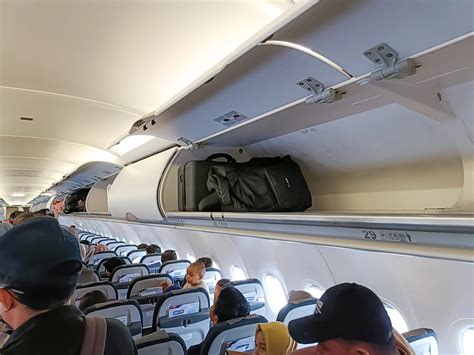
Perhaps the most symbolic representation of this change is the reserved overhead bin space now granted exclusively to Premium Class. Once an egalitarian space, the bins above your seat are increasingly a premium commodity. As Alaska sells more Premium Class seats, Main Cabin travelers will be left scrambling—sometimes literally—for bag space.
This simple shift magnifies the divide: comfort and convenience are now pay-to-play privileges, not shared flight benefits. The psychological impact of seeing reserved bin labels while juggling a backpack in Row 25 cannot be underestimated.
A Uniform Look Without the Island Feel
The entire Alaska 737 fleet is also undergoing aesthetic unification. Standardized seats, new carpeting, consistent dividers—Alaska wants you to feel a shared experience regardless of which plane you’re on. However, for passengers bound for Honolulu, Maui, or Kauai, there’s a notable absence of Hawaiian flavor.
Unlike flights aboard Hawaiian Airlines, where floral patterns, island music, and crew uniforms immediately evoke the tropics, Alaska’s updated cabins remain clinically corporate. The interiors whisper “Silicon Valley” more than they hum “Slack key guitar.” The lack of a “sense of place” may be a missed branding opportunity as well as a cultural oversight.
Hawaiian Airlines: Still Waiting in the Wings
Despite Alaska’s acquisition of Hawaiian Airlines, these cabin changes are exclusive to Alaska’s aircraft. The A321neo and A330 jets flown under the Hawaiian flag remain untouched for now. Alaska has hinted at future changes to Hawaiian’s widebody A330s, but no concrete timeline has been shared.
Until that happens, Hawaiian Airlines maintains its legacy cabin design, which—while aging—still offers a distinct and beloved island-centric travel experience. As frequent flyers debate the merits of change versus nostalgia, Alaska may be testing market response before adjusting Hawaiian’s fleet.
Long Flights, Short Patience: Why Hawaii Routes Feel It Most
Flights from Los Angeles, San Francisco, or Seattle to Hawaii stretch between five to six hours—a distance long enough to make legroom and seat quality crucial. Unlike short-haul domestic hops, Hawaii routes demand attention to cabin ergonomics. Even seemingly minor shifts—such as moving power outlets or adjusting recline angles—can significantly affect passenger well-being.
Travelers already seated in Main Cabin are reporting discomfort. Window seats lose their appeal when overhead bin access is limited. Families now face greater planning burdens, as less space means less flexibility.
Award Flights and Low Fares: A Diminishing Proposition
As more seats are siphoned off for First and Premium, the available inventory for award travel shrinks. Alaska Mileage Plan members relying on miles for trips to Hawaii will notice fewer economy redemptions and a gradual shift toward more expensive fare classes.
Moreover, with more space behind a paywall, entry-level fares are losing value. What was once considered standard—ample bag space, decent legroom, and a consistent experience—is becoming an à la carte experience, eroding Alaska’s image as a customer-friendly, value-driven carrier.
What This Signals for the Airline Industry
Alaska’s restructuring is part of a wider commercial aviation trend: maximize yield per flight by upselling premium products, even on leisure routes. The Hawaii market—previously known for its family travelers, honeymooners, and sun-seeking retirees—is now viewed through the lens of tiered monetization.
This is not merely a cosmetic adjustment but a philosophical pivot. Alaska’s new strategy positions the airline closer to full-service giants like Delta and United, emphasizing comfort—at a cost. Whether this move pays off will depend on passenger tolerance, and whether they’re willing to trade space and value for consistency and tech upgrades.
The Future of Island Travel: More Luxury, Less Access
The coming years could see a new class hierarchy on flights to Hawaii. Alaska is betting that passengers will pay more for better seats, more legroom, and easier boarding—but this will come at the expense of accessible travel. Main Cabin flyers, especially families or budget travelers, will likely face the brunt of these changes.
Local Hawaiian residents, too, may find these changes frustrating. For them, travel to the mainland isn’t always a luxury—it’s a necessity. The reduction of economy seating and the encroachment of premium tiers make spontaneous or affordable trips harder to plan.
Conclusion: Between Paradise and Premium Pricing
Alaska Airlines’ move to reshape its Hawaii fleet is a calculated gamble: invest in top-tier passenger experience, harvest higher fares, and push the envelope of what “Main Cabin” really means. Whether passengers embrace this evolution—or feel priced out of paradise—remains to be seen.
As the Alaska-Hawaiian integration deepens, travelers may find themselves navigating not only the Pacific skies, but also an increasingly complex web of pricing tiers, seating options, and experience levels. What once felt like a relaxing flight to paradise is now becoming a strategic decision in consumer class warfare.
The journey to Hawaii, it seems, now comes with a new kind of turbulence.