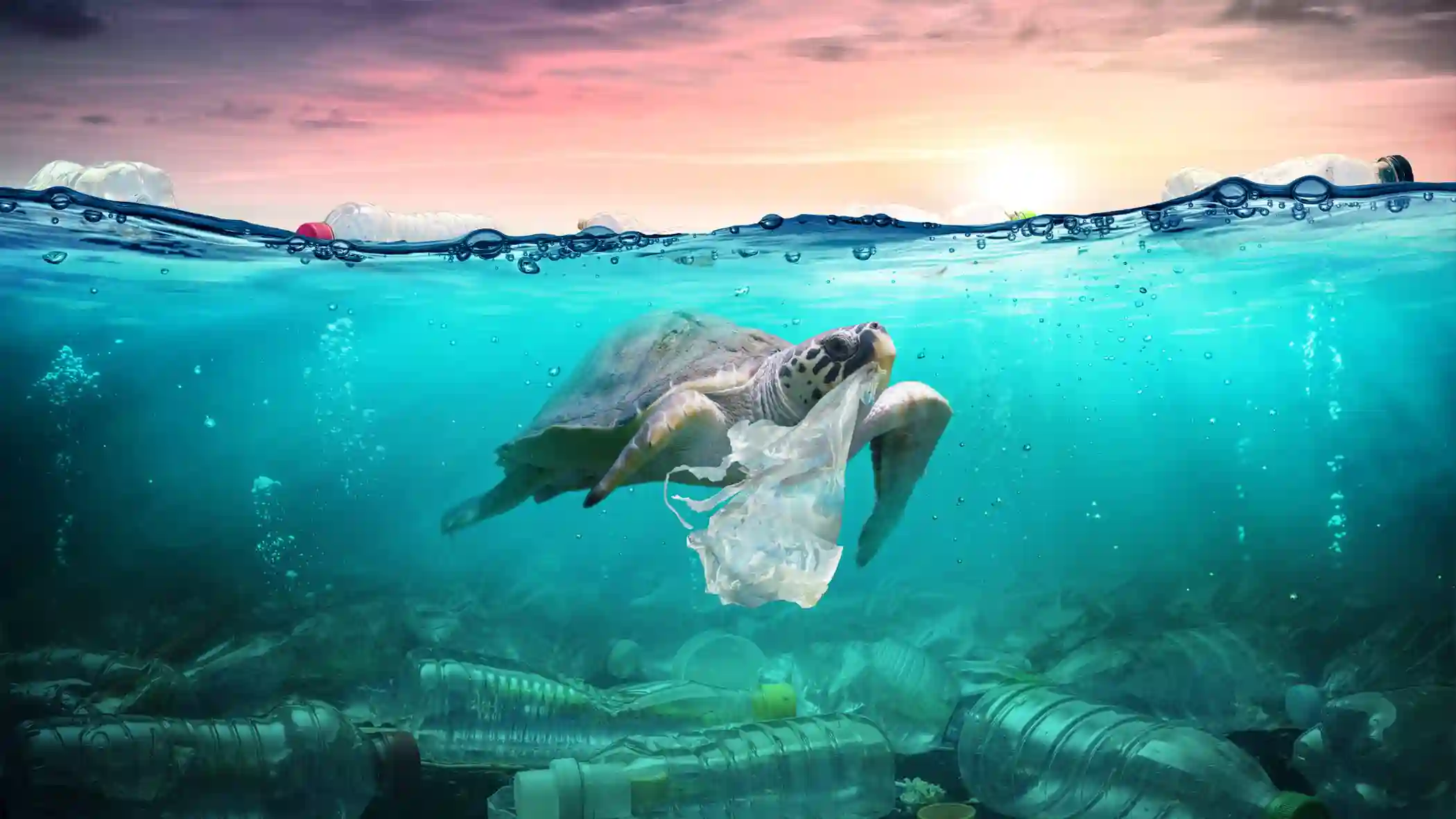
Tourism in 2025 is no longer just about sun, sand, or sacred temples—pollution has emerged as the silent arbiter of travel decisions. From the once-pristine coral gardens of the Great Barrier Reef to the winding rivers of Serbia and France, invisible threats are reshaping the way explorers plan, book, and experience their journeys. As travelers weigh air quality indices and chemical contamination reports alongside traditional guidebook recommendations, destination marketing is undergoing a profound evolution. No longer sufficient to tout historical landmarks or cultural festivals, tourism boards must now prove their skies are breathable, their waters swimmable, and their ecosystems sustainable if they hope to compete for discerning, health-conscious guests.
Across continents, the narrative has shifted from “discover” to “protect”: destinations grappling with bleached corals, smog-cloaked skylines, and PFAS-tainted waterways are watching booking inquiries plummet, while clean-air champions tout near-zero particulate readings as their primary tourism draw. This seismic shift has forced operators, insurers, and policy makers to adapt rapidly, introducing pollution contingencies into itineraries, offering on-site health precautions, and hedging investments on emerging green havens. In a world where every inhale and sip matters, travelers are turning environmental safety into a luxury commodity—and destinations that ignore this trend risk being left off the map.
From South Asia’s choking haze to Southeast Asia’s toxic river currents, Europe’s hidden chemical threats to Australia’s imperiled natural wonders, the battle for environmental credibility spans every time zone. Serbia and France find their storied river cruises under scrutiny for chemical residues; Thailand’s vibrant street scenes grow tenuous under layers of seasonal smog; the UK confronts PFAS contamination in farmland sludge and urban waterways; Indonesia’s once-idyllic Citarum River repels rather than invites boat tours. These unfolding crises aren’t isolated tragedies—they represent a fundamental rewrite of the global tourism blueprint, where health considerations now rival cultural curiosity as trip-deciding factors.
Pollution and the New Reality for Travelers
In 2025, the equation for choosing a holiday destination extends beyond cost and convenience to include air, water, and ecosystem quality. Smog, chemical toxins, and coral bleaching have joined price and itinerary as top-line concerns, forcing tour operators to embed pollution advisories, mask provisions, and water-purity assurances into every package. Travel insurance policies now cover trip alterations due to hazardous air alerts, and smartphone apps displaying real-time PM2.5 readings are as critical as currency converters. Destinations once celebrated for exoticism are rebranding as eco-sanctuaries, equipping hotels with HEPA filtration and promoting off-season visits when air quality improves. The result is a bifurcated tourism landscape: polluted hotspots face declining footfall, while clean-air havens enjoy a surge of high-value, wellness-driven visitors.
South Asia Under a Choking Haze
Few regions illustrate pollution’s impact as starkly as South Asia. Bangladesh leads the world with PM2.5 readings between 78 and 83 µg/m³—nearly 16 times the World Health Organization’s safe threshold—transforming Dhaka’s skyline into a perpetual gray blanket. Rivers carry industrial runoff and textile effluents that turn cruise excursions into health hazards. In Pakistan, recommendations to avoid Lahore and Karachi during winter smog seasons have slashed winter tourism, and rural arsenic contamination in groundwater adds a hidden risk for eco-trekkers. India, home to six of the world’s nine most polluted cities, now balances the allure of grand festivals and UNESCO World Heritage Sites against an unwelcome haze. Tourism boards here face a delicate task: fostering cultural engagement while transparently communicating health advisories and seasonal pollution peaks.
Southeast Asia’s Rivers Run Toxic
Southeast Asia’s waterways once symbolized tropical enchantment; today they often flow murky with industrial chemicals and plastic debris. In early 2025, Bangkok endured a smog emergency that grounded outdoor excursions and chilled bookings for rooftop dining and temple visits. Indonesia’s Citarum River, formerly a lifeline for local communities and adventurous boat tours, has become emblematic of unchecked industrial pollution—operators struggle to convince tourists to don life vests over contaminated currents. Meanwhile, the Philippines grapples with 58% of its groundwater deemed unsafe, and the Pasig River in Manila remains one of the world’s most polluted despite decades of cleanup campaigns. The ripple effects extend to coastal resorts, where fluctuating water quality undermines snorkeling and diving, forcing beachside hotels to invest heavily in alternative attractions.
Europe’s Hidden Chemical Threat
Europe’s image of pastoral purity masks a growing undercurrent of chemical contamination that threatens its tourism credentials. In the United Kingdom, revelations of PFAS—so-called “forever chemicals”—in rivers, lakes, and even farmland sludge have sparked consumer anxiety and press headlines warning visitors to pack bottled water. France confronted its own crisis in mid-2025 when Saint-Louis declared tap water unsafe due to excessive PFAS levels, eroding confidence in rural and urban destinations alike. Even the Seine, emblematic of Parisian charm, shows elevated pollutant concentrations that jeopardize riverside festivals and amateur swimming events once envisioned for the 2024 Olympics. As these invisible toxins enter food chains and water supplies, travelers are demanding transparency and third-party certifications before stepping ashore.
Australia’s Natural Wonders Under Siege
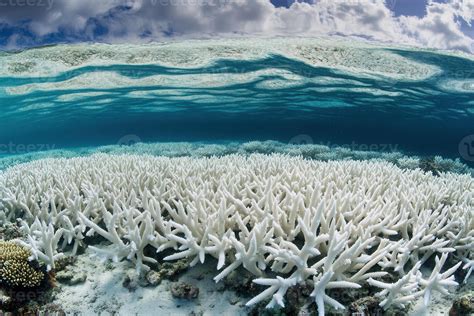
Australia’s tourism narrative has long hinged on its unspoiled landscapes, but that image is unravelling as temperature-driven coral bleaching and agricultural runoff jeopardize its star attractions. The Great Barrier Reef, a UNESCO World Heritage marvel, experienced new waves of bleaching in 2024 and now faces potential “in danger” listing if warming trends persist. Tour operators report a surge in queries about reef health, prompting many to shift from mass snorkeling tours to small-group, conservation-focused expeditions. Inland, warming rivers are triggering fish kills and algal blooms, turning once-vibrant freshwater experiences into cautionary tales. To retain its tourism edge, Australia is doubling down on reef restoration programs and promoting eco-certifications for operators, yet the question remains whether these measures can outpace accelerating climate stress.
Clean Air Becomes a Travel Asset
As polluted destinations grapple with decline, a select group of countries is capitalizing on its clean-air credentials. Iceland, Estonia, Australia, New Zealand, Grenada, the Bahamas, and Barbados all report annual PM2.5 levels at or below 5 µg/m³, meeting the WHO’s gold standard. These locations are marketed not merely for natural wonders but as sanctuaries where breathing untainted air is part of the experience. Eco-lodges advertise off-grid stays powered by renewable energy, while adventure operators package guided hikes with every participant supplied a personal air monitor. The narrative has shifted: visitors aren’t just chasing waterfalls or geothermal springs—they’re seeking proof that each inhalation supports their health. In this emerging paradigm, environmental purity is the ultimate travel luxury.
Europe’s Quiet Leaders in Clean Living
Beyond the top seven, several European nations are quietly redefining sustainable tourism with aggressive environmental policies and pristine urban ecosystems. Sweden, Finland, Denmark, Norway, and even the United Kingdom frequently approach WHO air quality guidelines, while cities such as Stockholm and Oslo pair cutting-edge public transit with expansive green belts. Switzerland’s commitment to water purity shines in Bern, where locals—and now tourists—hover for refreshing swims in the Aare River, and Lake Geneva remains crystal-clear year-round. Tourism boards promote “clean travel” packages that highlight electric train routes, carbon-offset excursions, and locally sourced cuisine free of chemical residues. In these destinations, the promise of environmental transparency has become as compelling as any cultural itinerary.
Islands in the Stream of Clean Air
Scattered across the Atlantic and Pacific, small island destinations are leveraging their remoteness and oceanic breezes to claim pollution-free status. French Polynesia, Mauritius, Bermuda, and Puerto Rico report exceptionally low air pollution due to steady maritime winds and minimal heavy industry. These islands market wellness retreats and eco-resorts where guests practice yoga at sunrise, knowing every breath comes without microplastic fallout. Conservation programs invite volunteers to monitor turtle hatchlings or reforest coastal dunes, blending leisure with purpose. For families, retirees, and respiratory-sensitive travelers, these locales transcend traditional sun-and-sand vacations to become holistic sanctuaries—places where immersion in nature also means immersion in unspoiled air.
The Rise of Environmental Consciousness and Economic Advantages
The ascendancy of pollution-free travel reflects a broader transformation: tourists now see themselves as environmental consumers demanding verifiable green credentials. Marketing slogans such as “Come Breathe with Us” have real weight when backed by third-party air and water quality certifications. A 2025 study by the European Travel Commission found destinations with top-tier environmental ratings achieved a 17% higher booking rate than those with moderate or poor pollution profiles, as high-value eco-tourists extend stays and pay premiums for sustainable experiences. From carbon-neutral lodges to plastic-free marine tours, the premium market now favors providers who demonstrate tangible ecological stewardship. In this climate, environmental investments are not just ethical imperatives—they’re strategic revenue drivers that pay dividends in guest loyalty and brand differentiation.
The Challenge of Staying Clean
Achieving zero-pollution status is only half the battle; maintaining it demands relentless vigilance and adaptive management. Australia and New Zealand, despite leading in air purity, contend annually with bushfire smoke that can spike particulate levels for weeks. Iceland must regulate visitor numbers to fragile geothermal zones while fending off litter and soil erosion. Even remote islands face microplastic deposition from ocean currents, requiring community-led beach clean-ups and bans on single-use plastics. Governments and private operators alike must enforce stringent emissions standards, invest in renewable infrastructure, and foster local engagement to transform good intentions into sustained practice. Without these measures, even the most pristine destinations risk succumbing to the same pollution pressures that imperil the world’s travel hotspots.
The Future of Travel in a Polluted World, Health Precautions, and a Tipping Point
As the tourism industry hurtles toward an environmental inflection point, travelers are transforming how they research, book, and experience trips. Real-time air quality dashboards, pollution-adjusted travel insurance, and on-site health measures—such as air-filter masks and UV water purifiers—are no longer niche offerings but mainstream expectations. Cruise lines reroute from polluted ports, hotels advertise HEPA systems, and adventure outfitters embed medical-grade filters in backcountry shelters. For destinations still battling smog, chemical runoff, or coral die-off, the stakes have never been higher: without decisive mitigation, they risk losing billions in revenue as guest preferences crystallize around pollution-free havens. In this new era, where the cost of a vacation extends beyond the itinerary to encompass every breath and every drop, environmental purity stands as the ultimate travel imperative—and the brightest beacon for future exploration.