As Middle Eastern tensions escalate, particularly between Iran and Israel, a new wave of tourism patterns is emerging. Tourists from the United States, Canada, the United Kingdom, Germany, China, Italy, and Poland are decisively opting for safer alternatives in Europe’s southern corridors. This shift in traveler behavior, driven by rising security fears and unstable airspace in the region, is creating a significant tourism redirection toward France, Greece, Spain, Turkey, Albania, and Montenegro.
The underlying motivation is clear: security, peace of mind, and access to culture-rich destinations without proximity to conflict. The travel landscape, once dominated by predictable seasonal flows, is now dictated by live updates from Tel Aviv and missile alerts in Tehran.

The Fallout of the Iran-Israel Escalation on Global Tourism
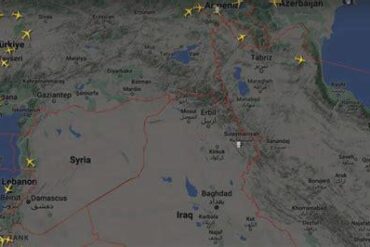
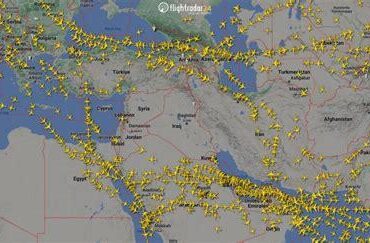
The skies over the Middle East have become a source of dread. Following missile strikes, military responses, and nuclear facility tensions, airlines are adjusting their flight patterns to avoid Iranian and Israeli airspace entirely. Direct routes are being rerouted, and major hubs are no longer functioning as reliable transit points.
The impact is fast and far-reaching:
- Sharp decline in travel bookings to both Israel and Iran
- Increased travel insurance claims related to cancellations or safety concerns
- Diplomatic advisories warning against non-essential travel to the region
- Airlines halting or reducing services, particularly to Tel Aviv and Tehran
This has prompted a surge in interest in Mediterranean countries, particularly those that offer sunshine, culture, and safety.
France: The Allure of Calm and Culture
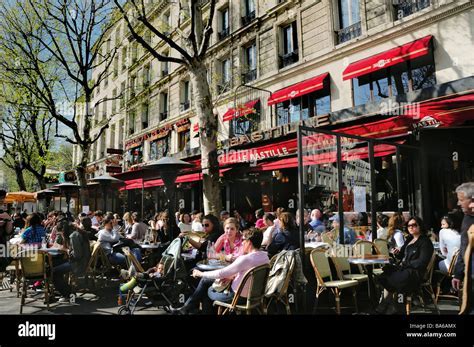
With its timeless appeal, France is regaining prominence as a sanctuary for North American and European travelers alike. Paris remains an icon of elegance and allure, while regions like Provence, Alsace, and Normandy offer unique charms away from urban bustle.
French tourism authorities have intensified their marketing, targeting demographics previously planning travel to Israel or neighboring regions. From sun-drenched vineyards to coastal towns like Nice and Marseille, France offers layered experiences—romance, art, and gastronomy wrapped in a stable, peaceful setting.
Greece: Serenity and Sea Breeze in a Shifting World
As political maps shift, Greece’s timeless Aegean blue remains a welcome constant. Tourists diverted from Middle Eastern hotspots now dock in Athens, Santorini, Crete, and Rhodes, looking for a calm Mediterranean escape.
The Greek islands, famed for their hospitality and postcard-perfect coastlines, offer a welcome sanctuary. Mainland Greece is also stepping up—Peloponnese’s historical intrigue, Thessaloniki’s urban charisma, and Epirus’s wild beauty are attracting travelers who crave more than just beaches.
Tour operators in Greece report that bookings have surged more than 30% in the last four weeks alone, with most demand coming from families and elderly tourists prioritizing safety.
Spain: Where Culture Meets Comfort in Times of Uncertainty
Spain’s colorful vibrance is offering more than just a fiesta—it’s delivering peace of mind to displaced tourists. With the Middle East off the travel itinerary, Barcelona, Valencia, Granada, and Seville are welcoming a fresh wave of curious, cautious travelers.
Spain’s cultural intensity—flamenco, Moorish architecture, Gaudí’s surrealist visions—is now matched by its reputation as a low-risk destination. Flights from Toronto, New York, Frankfurt, and Shanghai to Spain have seen up to 20% increases in occupancy, as airlines recalibrate to meet growing demand.
Turkey: A Strategic Sanctuary Bridging Continents
While located near volatile regions, Turkey has emerged as a paradoxical winner in the tourism reroute. Istanbul, straddling Europe and Asia, has embraced its role as a bridge—not a battleground.
Its ability to offer affordable luxury, deep-rooted culture, and controlled safety protocols has drawn tourists from disrupted travel zones. Bodrum, Antalya, and Cappadocia have seen increases in bookings, especially from tour groups rerouted from Israel.
Turkey’s Ministry of Tourism has responded with agility—offering visa simplifications, digital campaigns, and multi-lingual traveler safety dashboards. Despite regional risks, the western and southern coasts of Turkey remain largely unaffected and in high demand.
Albania and Montenegro: The Balkans’ Unexpected Rise
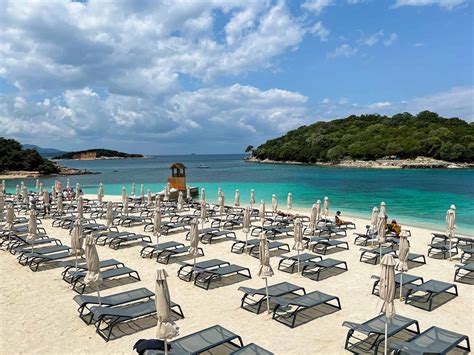
Once overlooked, Albania and Montenegro are now thriving. Albania, in particular, is winning hearts with its pristine Riviera towns like Ksamil, Dhërmi, and Vlorë, and low cost of living. Tirana, the capital, has transformed into a colorful hub of coffee culture, nightlife, and post-communist urban renewal.
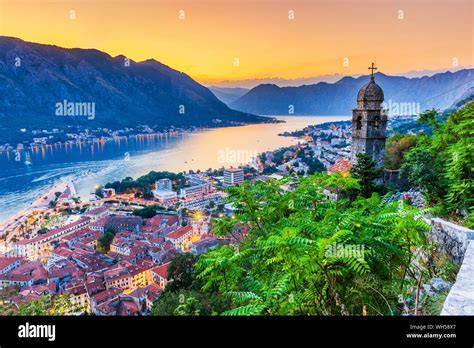
Montenegro, on the other hand, offers fjords, medieval towns, and alpine escapes. The Bay of Kotor, often dubbed the ‘southernmost fjord in Europe’, now sees luxury yachts and eco-tourists replacing traditional cruise traffic.
Local hotels are almost overwhelmed. Boutique stays in Kotor, Budva, and Ulcinj are reporting over 80% occupancy for the next three months, fueled primarily by redirected traffic from U.S. and UK tourists.
Airlines and Hotels Rapidly Adapt to Surging Demand
The hospitality industry is reacting at lightning speed. In destinations like Nice, Athens, and Istanbul, hoteliers are extending peak-season rates and launching aggressive online campaigns. Meanwhile, European airline giants like Lufthansa, British Airways, and Air France are recalibrating.
- Additional seasonal routes to Montenegro, Albania, and Turkish coastal cities
- Expanded flight frequencies from New York, Toronto, and Berlin to France and Spain
- Avoidance of Iranian and Israeli airspace, adding detour minutes but ensuring safety
Travel tech platforms are also adapting, with dynamic pricing engines, early-bird promotions, and risk-free cancellation policies driving engagement.
Emotional Decisions Driving Travel Patterns
The new travel logic isn’t just geographic—it’s deeply emotional. After repeated news cycles featuring phrases like “missile launched into Israel,” “Tel Aviv under threat,” and “airspace lockouts,” travelers are expressing a psychological need for safety, predictability, and tranquility.
Families, especially those with children or elderly members, are avoiding destinations with even mild conflict adjacency. For many, the notion of boarding a plane that crosses Middle Eastern air corridors is non-negotiable. The pivot is as much about mental peace as physical distance.
Industry Caught in a Real-Time Crisis Response
Travel stakeholders—from governments to hotel chains—are acting fast. The tourism boards of France, Spain, and Greece have launched full-scale digital awareness campaigns in North America and East Asia. Meanwhile, insurance providers are modifying coverage to exclude war-prone areas, nudging travelers further toward safer routes.
Cruise operators are also watching developments. Eastern Mediterranean itineraries are being reviewed or rewritten, with calls to Haifa or Ashdod likely to be pulled, in favor of alternate ports like Dubrovnik or Corfu.
Final Observations: A Redrawn Map, A Realigned Season
This season was intended to be a global travel rebound post-COVID, but geopolitics had other plans. The rise in conflict tourism avoidance is not just a temporary dip—it’s a redirection with long-term implications. The destinations gaining prominence today will likely remain in favor well into 2026 unless peace stabilizes the Middle East.
Travelers are voting with their feet. And right now, their ballots are marked for safety, serenity, and southern Europe.