Major Airport Closures: The Impact on Travelers
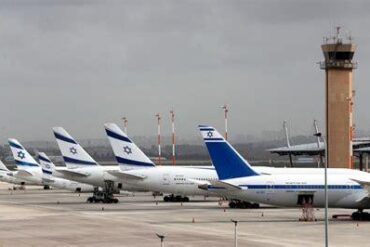
In a bid to ensure the safety of passengers and crew, Ben Gurion International Airport—Israel’s largest airport—has halted all operations indefinitely. The Israeli national carrier, El Al, has canceled all its flights through Thursday, June 19, extending these cancellations to various international destinations until Monday, June 23. Notable affected routes include major cities such as Berlin, Barcelona, Tokyo, Warsaw, and several popular Greek holiday spots like Santorini, Mykonos, and Crete. The closure of this vital hub not only disrupts travel plans but also has economic implications, affecting tourism and business activities in the region.
Regional Airspace Restrictions: A Broader Impact
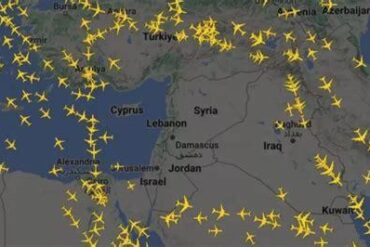
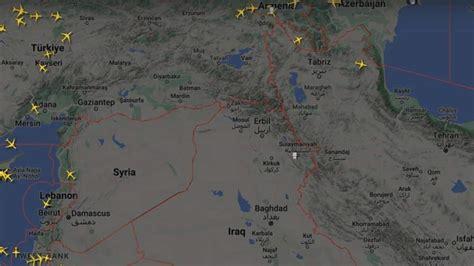
Beyond Israel, neighboring countries including Iran, Iraq, and Jordan have implemented airspace restrictions. These closures aim to protect civilian aircraft from the unpredictable military operations occurring in the region. The ramifications of these measures underscore the gravity of the situation, as they effectively redraw air travel routes throughout the Middle East. Travelers may find themselves facing longer journeys and unexpected detours, significantly altering their travel experiences.
European Airlines Take Precautionary Measures
In response to the escalating crisis, several leading European airlines have taken precautionary measures to safeguard their passengers. Lufthansa has canceled flights to both Tel Aviv and Tehran through July 31 and has also suspended operations to other Middle Eastern hubs such as Amman, Erbil, and Beirut until June 20. Similarly, Air France has announced an indefinite suspension of all flights to Tel Aviv, emphasizing their commitment to closely monitoring the evolving situation. British Airways, easyJet, and Ryanair have also ceased services to Israel, highlighting the growing concern over regional stability and the necessity for airlines to prioritize passenger safety amid rising tensions.
Middle Eastern Airlines Respond to the Crisis
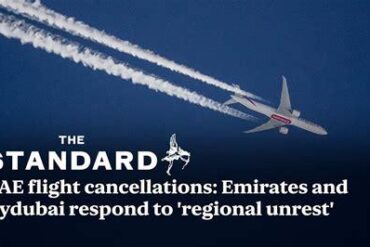
Key Middle Eastern carriers are also adjusting their operations in light of the conflict. Emirates has suspended flights from Dubai to several cities, including Amman, Beirut, Tehran, Baghdad, Basra, and Tel Aviv until at least June 30. Services to Jordan and Lebanon are canceled until June 22. In Abu Dhabi, Etihad Airways has paused flights to Tel Aviv until June 22, while Qatar Airways has temporarily suspended routes to Iran, Iraq, and Syria. This cautious approach reflects the airlines’ commitment to ensuring passenger safety and responding effectively to the volatile environment.
US Airlines Halt Flights to the Region
American airlines are also taking significant steps to mitigate risks associated with the escalating conflict. United Airlines has paused all flights to Tel Aviv through July 31, while Delta Air Lines has extended its suspension of services from New York’s JFK airport to Tel Aviv until August 31. These suspensions illustrate the uncertainty airlines face as they navigate the unpredictable geopolitical landscape, prioritizing the safety of their passengers above all else.
International Travel Warnings: Government Advisories
In light of the escalating tensions, multiple governments have issued travel warnings to their citizens. The UK’s Foreign, Commonwealth, and Development Office (FCDO) has issued an urgent travel warning against all travel to Israel, citing significant risks stemming from rapidly deteriorating conditions. The FCDO highlights potential disruptions to both air and road transportation, emphasizing the unpredictability of the situation. Authorities in France and Germany have similarly released urgent advisories, strongly discouraging non-essential travel to both Israel and Iran. These warnings reflect a global concern regarding regional stability and traveler safety amidst the ongoing hostilities.
Travelers and Businesses Face Uncertainty
The repercussions of the Israel-Iran conflict extend far beyond flight cancellations; individual travelers and international businesses reliant on Middle Eastern travel routes are grappling with uncertainty. Passengers stranded due to canceled flights face logistical and financial challenges, urgently seeking alternative arrangements. Moreover, businesses that depend heavily on regional air connectivity for commerce and logistics are encountering operational setbacks, compelling them to rapidly realign their strategies. This situation underscores the critical need for comprehensive travel insurance and specialized risk management solutions to mitigate potential losses and disruptions.
The Broader Impact on Global Air Travel
The Israel-Iran conflict exemplifies how geopolitical tensions can profoundly affect global aviation. The disruptions echo earlier crises, such as the COVID-19 pandemic, which also saw significant reductions in air travel. Airlines and travel authorities around the world now face an imperative to develop robust and flexible strategies to manage and respond to geopolitical disruptions swiftly, ensuring traveler safety while minimizing economic impacts.
Looking Ahead: Uncertainty and Preparedness
With no clear resolution in sight, the ongoing disruptions in air travel could extend indefinitely. Airlines are expected to adopt cautious operational strategies, while travelers are encouraged to monitor official advisories closely. Maintaining flexible travel plans and considering premium insurance coverage will be essential to protect against unexpected developments in this unpredictable environment. Travelers must remain vigilant, aware of the risks involved, and prepared for potential changes to their itineraries.
Prioritizing Safety During Chaos
As the series of crises between Israel and Iran persists and intensifies, global aviation is starkly reminded of the complexities involved in navigating regional conflicts. The paramount focus remains on ensuring safety for those who travel, securing clear communication, and providing swift, reactive resolutions. During this tumultuous time, the emphasis on preparedness, effective contingency planning, and robust support systems for travelers will define the industry’s ability to cope with the ongoing challenges presented by this escalating conflict.