As tensions between Israel and Iran spiral toward full-scale war, the United Kingdom has made the strategic decision to deploy Royal Air Force (RAF) jets to the Middle East, a move framed as both a precautionary and symbolic commitment to regional stability. The announcement was made by Prime Minister Sir Keir Starmer aboard a government plane en route to crisis talks with G7 leaders in Canada, underscoring the gravity of the emerging geopolitical emergency.
UK Mobilizes Typhoons Amid Escalating Middle East Crisis
The decision to bolster the UK’s military footprint in the region comes on the heels of Israel’s extensive aerial offensive against Iran, an operation that included more than 150 airstrikes targeting military and nuclear infrastructure. Among the dead are nine nuclear scientists and several high-ranking Iranian commanders, including General Mohammad Bagheri, Iran’s military chief of staff.
In response to the Israeli operation, Tehran launched rocket and drone attacks targeting Tel Aviv, killing three civilians and injuring over 170. In light of this tit-for-tat escalation, the UK’s move to reinforce its assets in the region is seen as a clear measure to protect British interests and support Western strategic objectives.
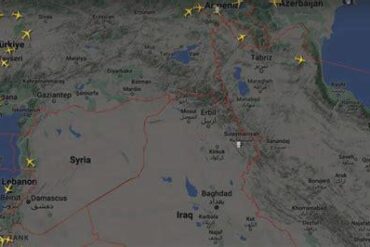
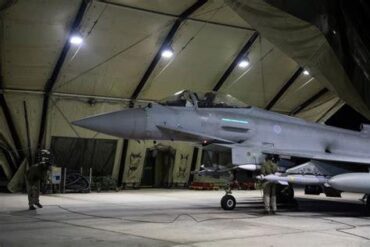
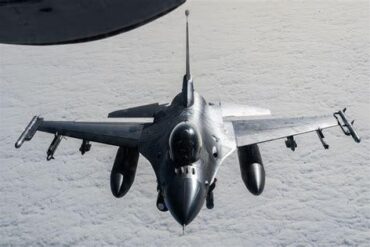
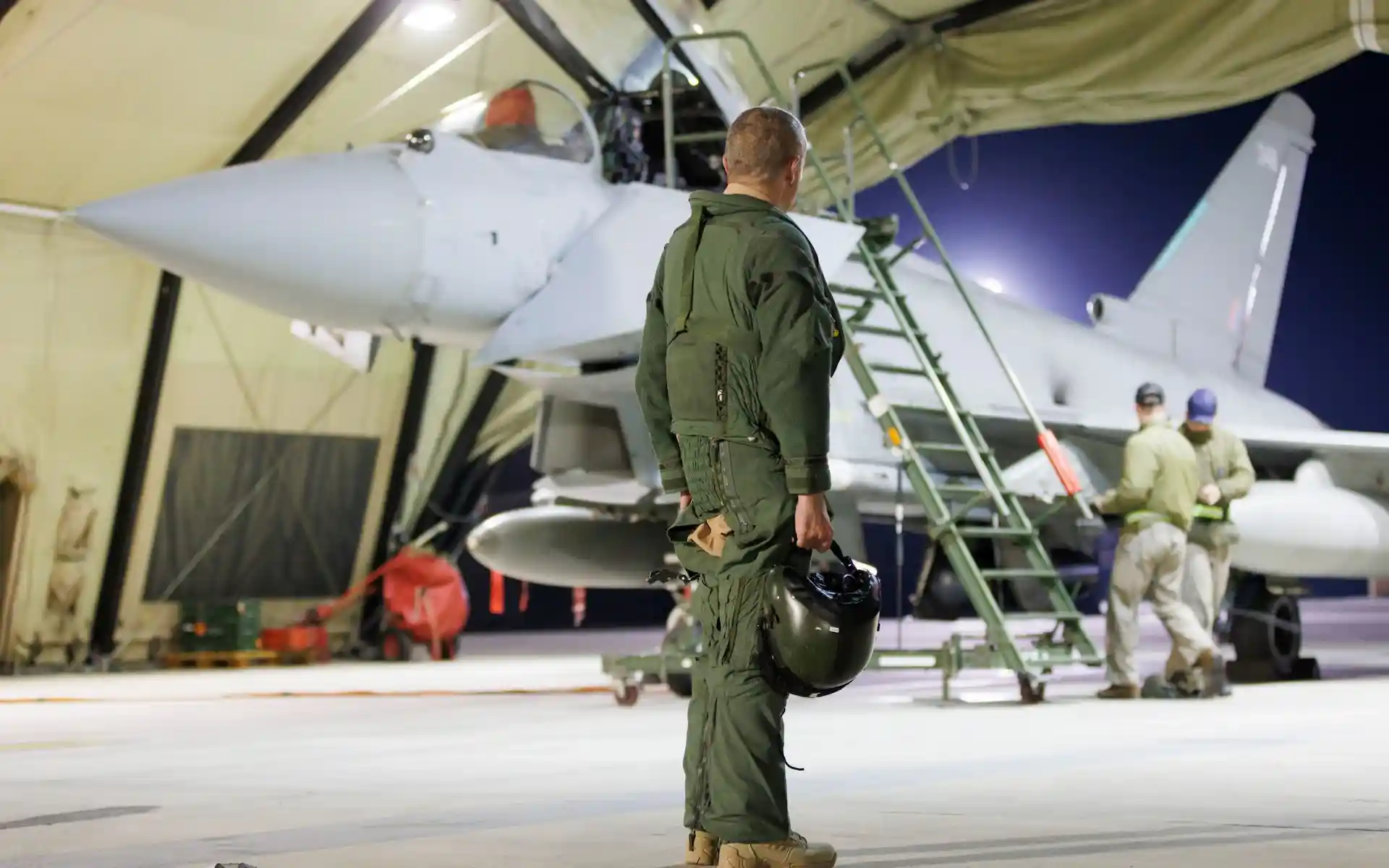
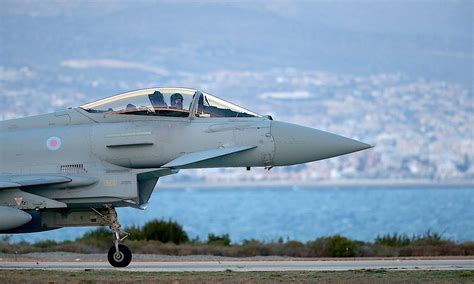
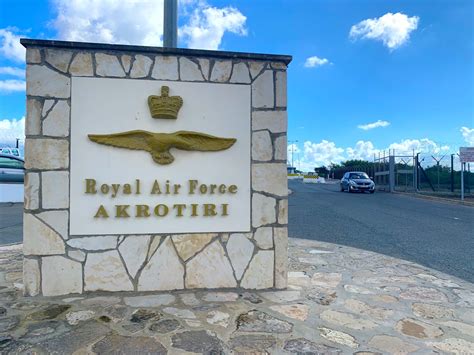
RAF jets, likely Eurofighter Typhoons, and accompanying air-to-air refuelling aircraft are being moved to the British airbase at RAF Akrotiri in Cyprus, a location that has previously served as a key launch point for Middle Eastern operations. This deployment serves as a forward operating contingency force capable of defending UK nationals and allies, monitoring airspace, and deterring further aggression.
Strategic Posturing or Implicit Alliance?
While Sir Keir Starmer stopped short of confirming whether RAF jets would engage in combat missions or directly support Israeli operations, the move has been interpreted by defence analysts as a signal to both allies and adversaries. Starmer stated:
“We are moving assets to the region, including jets, and that is for contingency support.”
This deliberate ambiguity allows the UK to maintain strategic flexibility while signaling a readiness to escalate if British nationals or interests come under threat. Importantly, it also keeps diplomatic options open amid pressure from both Washington and European allies to encourage de-escalation rather than intervention.
A Region on the Brink
The scale and severity of Israel’s latest military campaign marks one of its most significant strikes against Iran to date. According to the Israel Defense Forces (IDF), the mission aimed to eliminate an “immediate existential threat” and disrupt what it claims is Iran’s ongoing effort to build nuclear weapons. Israel asserts that Tehran now has enough enriched uranium to build up to 15 nuclear bombs, exceeding previous estimates by the UN nuclear watchdog.
Tehran, in turn, has vowed retaliation. In a bold counter-threat, it hinted at the possibility of shutting down the Strait of Hormuz, a critical chokepoint through which nearly 20% of the world’s oil supply flows. If realized, such a move could send global energy markets into disarray and plunge the global economy into further turmoil.
The UK’s Delicate Balancing Act
The deployment of RAF assets places Britain in a high-stakes diplomatic conundrum. On one hand, the UK has long supported Israel’s right to self-defense and shares Western concerns over Iran’s nuclear ambitions. On the other, recent British policy has grown increasingly critical of Israeli domestic and military policies, including the sanctioning of two Israeli ministers just last week.
Adding to the complexity is the situation in Gaza, which Starmer acknowledged as a volatile factor in the broader Middle Eastern picture. The Prime Minister emphasized the UK’s aim to avoid deeper entanglement:
“We do have long-standing concerns about the nuclear program Iran has. We do recognise Israel’s right to self-defence. But I’m absolutely clear that this needs to de-escalate.”
This statement reflects a cautious approach—one that seeks to avoid direct military engagement while maintaining influence and responsiveness in the region.
Operational Readiness at RAF Akrotiri
RAF Akrotiri has played a vital role in past regional operations, including missions against ISIS and defensive alerts against Iranian missiles. With upgraded hangars, munitions storage, and modern surveillance facilities, it is well-positioned to act as a hub for rapid response.
The deployment is expected to include not only fighter jets but also Voyager refueling aircraft, enabling extended patrols and rapid combat readiness. Intelligence, surveillance, and reconnaissance (ISR) assets, including RC-135 Rivet Joint aircraft, may also be rotated into the region to provide electronic surveillance and battlefield awareness.
US and UK: Divergent Tactical Timelines
While the United States assisted Israel in intercepting Iranian retaliatory strikes, it notably did not take part in the initial Israeli attacks on Iran. Likewise, No 10 Downing Street was not informed in advance of Israel’s planned strikes, signaling either a gap in diplomatic coordination or a deliberate Israeli strategy of operational secrecy.
The UK’s current posture is therefore distinct from that of the United States, which maintains a significantly larger military footprint in the region. British involvement remains limited to contingency deployments and does not currently include active military operations.
The Cost of Escalation
Beyond the battlefield, Starmer noted that the economic repercussions of conflict are already impacting the UK, particularly through rising oil prices. As global markets react to the uncertainty around the Strait of Hormuz and escalating Israeli-Iranian hostilities, households in Britain could once again face a cost of living crisis triggered by inflated energy bills.
Analysts warn that prolonged conflict could choke global supply chains, increase inflation, and erode public confidence in economic recovery. Britain’s military engagement, while limited, is thus closely tied to safeguarding its economic stability and geopolitical relevance.
Israel Vows Continued Action
In a chilling escalation, Israeli Prime Minister Benjamin Netanyahu promised further attacks, stating:
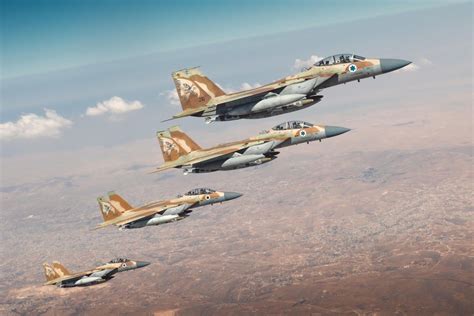
“We have paved a path to Tehran. In the very near future, you will see Israeli planes, the Israeli air force, our pilots, over the skies of Tehran.”
This rhetoric suggests that Israel is preparing for sustained offensive operations, potentially drawing the region—and by extension, the UK—deeper into a prolonged and dangerous conflict. The targeting of missile launchers in Tehran and the use of heavy ballistic munitions indicate a significant expansion of engagement rules.
Diplomatic Channels Narrowing
Attempts at diplomacy appear to be faltering. Mediator Oman announced that a sixth round of nuclear talks between Iran and Washington scheduled for this weekend had been abruptly cancelled. While former US President Donald Trump and Russian President Vladimir Putin exchanged birthday pleasantries, both agreed in their communications that the Israel-Iran war must end. Yet, no clear path to peace has emerged.
Trump also drew attention to Russia’s role in the Middle East equation, suggesting any end to the Israel-Iran conflict must be accompanied by a broader rethinking of regional wars, including in Ukraine.
A Flashpoint That Could Ignite a Wider War
The RAF’s deployment to the Middle East is not merely a tactical maneuver—it is a strategic message. It underscores Britain’s preparedness to act, its desire to uphold regional balance, and its fear that any misstep could ignite a wider war with catastrophic consequences for global stability.
The days ahead will likely determine whether this show of force acts as a deterrent or becomes the opening chapter in a new phase of military confrontation in the Middle East. As of now, the skies above Tehran, Tel Aviv, and Cyprus remain fraught with tension, their fates tied to decisions being made in war rooms, cabinet offices, and diplomatic summits around the world.