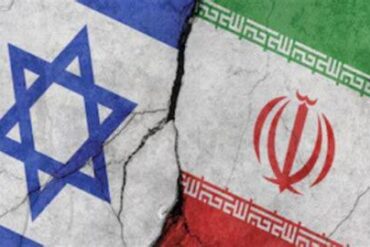
The United States is rapidly reinforcing its military presence in the Middle East amid a dangerously escalating conflict between Israel and Iran, deploying a combination of F-16 Fighting Falcons, F-22 Raptors, and F-35 Lightning II stealth fighters. The strategic move, confirmed by multiple senior U.S. defense officials, underscores a significant shift in posture as Washington seeks to deter Iranian aggression and reinforce Israeli operations.
With the region bracing for a broader confrontation, the U.S. is extending current fighter jet missions and accelerating the positioning of additional aerial assets. This includes relocating tanker aircraft and warships to ensure refueling and support capabilities for high-end fighter operations, thereby signaling a state of sustained readiness. Officials emphasize the defensive nature of the deployments, noting the aircraft are primarily engaged in intercepting drones and neutralizing projectile threats. However, the capabilities of these jets far exceed defensive interception.
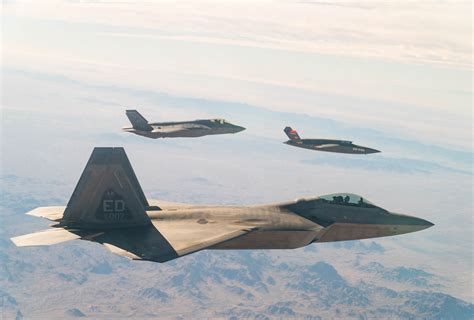
F-16, F-22, and F-35: America’s Strategic Air Superiority Trio
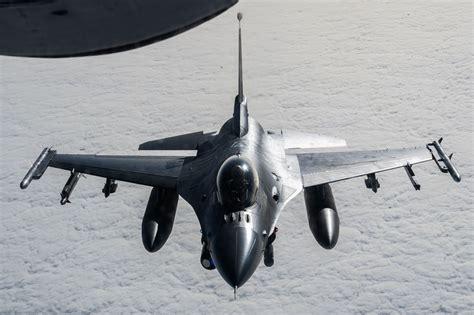
The F-16 Fighting Falcon remains one of the most agile and dependable multi-role fighter jets in the world. Designed for air-to-air and air-to-ground combat, the aircraft has served U.S. and allied forces for over four decades. Its affordability and modular upgrade options ensure it remains at the center of tactical airpower in high-stakes environments.
In contrast, the F-22 Raptor represents the pinnacle of air dominance. Though no longer in production, its stealth capabilities, speed, and unmatched maneuverability give it a decisive edge in dogfights and air interdiction missions. Built to engage enemy aircraft before they even realize they’ve been targeted, the F-22’s presence alone exerts psychological and tactical pressure on adversaries.
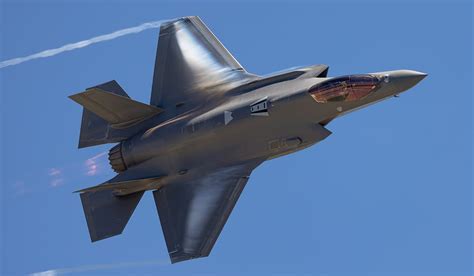
Meanwhile, the F-35 Lightning II is a fifth-generation multirole stealth fighter that merges advanced sensor fusion, stealth design, and precision strike capabilities. Available in multiple variants for the Air Force, Navy, and Marine Corps, the F-35 allows for seamless integration across services and allied forces. It can conduct deep strikes, intelligence gathering, and dynamic targeting, making it ideal for contested battlespaces like the one now forming over Iran.
Iranian Skies Under American Watch
On Tuesday, President Donald Trump made an emphatic declaration via Truth Social: “We now have complete and total control of the skies over Iran.” His statement followed extensive Israeli airstrikes across Iranian territory, now in their fifth consecutive day. Trump claimed Iran’s radar and defense systems, while extensive, are no match for U.S. military technology.
While Iranian authorities assert the situation is contained, eyewitness reports from Tehran paint a different picture. Frequent air raid sirens, shelter-seeking civilians, and jammed highways out of the capital indicate rising civilian panic. Gas stations are overwhelmed, and traffic paralysis has rendered emergency evacuations difficult.
The Trump administration’s posture has shifted dramatically. Speaking aboard Air Force One, the president confirmed he is no longer interested in negotiations with Iran. “They should have done the deal,” he told reporters, expressing disdain for Iran’s refusal to curb its nuclear ambitions. Trump added that the U.S. is aware of Supreme Leader Ayatollah Ali Khamenei’s location but has chosen not to target him — “for now.”

Israeli Strikes Escalate as Iran Holds Ground
The escalation began with Israel’s largest-ever aerial offensive against Iran last Friday. Tel Aviv claims the campaign is necessary to dismantle what it sees as Iran’s imminent nuclear threat. Iranian officials deny these allegations, stating their nuclear efforts remain within Non-Proliferation Treaty parameters, aimed solely at civilian energy and medical research.
However, the death toll continues to mount. Iran’s government reports 224 deaths, while independent monitors like Human Rights Activists place the number closer to 452 fatalities, citing extensive verification from sources inside Iran. Israeli casualties from Iranian retaliatory strikes number at least 24.
President Trump, capitalizing on momentum, is weighing more aggressive options, including direct U.S. involvement in neutralizing Iran’s nuclear facilities. This includes the potential use of bunker-busting munitions, which could be delivered by F-35s operating with air-to-air and air-to-ground precision in GPS-denied environments.
Force Posturing and Strategic Reassurance
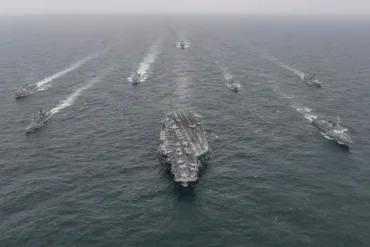
As fighter jets soar into the region, U.S. Navy warships and tanker aircraft are also being repositioned. Defense Secretary Pete Hegseth emphasized the deployments are part of a “protective strategy,” meant to shield American personnel and deter Iranian retaliation. The U.S. is also considering dispatching additional Navy vessels equipped with ballistic missile defense systems to the Eastern Mediterranean, where proximity to multiple flashpoints requires immediate response capabilities.
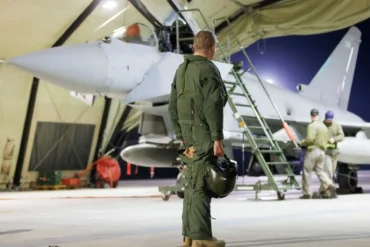
Meanwhile, U.K. Defense Secretary John Healey confirmed British Typhoon fighter jets have arrived in undisclosed Middle Eastern locations. The U.K. has also mobilized air-to-air refueling tankers, suggesting preparations for extended aerial missions. Prime Minister Keir Starmer echoed the need to de-escalate, but made clear that protecting personnel and asserting strength were top priorities.
Military Assets and Regional Presence
The United States currently maintains a formidable military presence in the Middle East. Approximately 40,000 U.S. troops are stationed across key countries including Qatar, Bahrain, Kuwait, the UAE, and Iraq. These forces are supported by an array of missile defense systems, radar installations, and surveillance platforms.
The arrival of advanced air assets, particularly stealth fighters, significantly upgrades regional interdiction and first-strike capabilities. When combined with persistent ISR (intelligence, surveillance, reconnaissance) support, the U.S. is positioned to launch or support real-time strikes deep into Iranian territory.
Political Tensions Surge in Washington
Trump’s sudden return to Washington — cutting short an international summit — signals the administration’s urgency. On the White House lawn Tuesday morning, he addressed reporters with characteristic bluntness: “Nobody does it better than the good ol’ USA.”
Behind closed doors, intelligence and defense briefings continue to shape U.S. options. Military planners are reportedly updating strike packages for possible offensive campaigns targeting Iran’s hardened nuclear sites, missile production facilities, and Revolutionary Guard bases. The U.S. has also asked NATO allies for increased naval coordination in the Strait of Hormuz and Gulf of Oman, where Iranian naval forces could pose a threat to maritime transit.
Air Dominance and the Future of Conflict
The deployment of F-16s, F-22s, and F-35s to the region highlights how air dominance remains a cornerstone of U.S. strategic doctrine. While many modern conflicts rely on asymmetric tactics or cyber operations, the psychological, strategic, and tactical impact of overwhelming air power remains irreplaceable.
If diplomacy continues to falter and hostilities widen, these aircraft will likely play a pivotal role not only in defense but in preemptive or retaliatory strikes. Their ability to penetrate deep into enemy territory, evade detection, and deliver precision-guided munitions makes them indispensable tools in modern warfare — especially when adversaries like Iran possess robust but outdated defensive networks.
Conclusion: On the Brink of a Broader War
As the Israel-Iran conflict teeters on the edge of a regional war, American military movements signal a deliberate readiness for escalation. While officials maintain that the deployments are defensive, the combination of stealth fighters, warships, and aerial refueling tankers speaks to a far more robust combat posture.
President Trump’s refusal to negotiate, paired with Israel’s aggressive push to dismantle Iran’s nuclear capabilities, has ushered in one of the most volatile moments in the region in decades. With skies increasingly filled with the most advanced warplanes in existence, and ground forces on alert, the world watches as the potential for broader conflict grows by the hour.
Whether this show of force leads to de-escalation or all-out war remains uncertain. But one thing is clear: U.S. air power now casts a long and commanding shadow over the Middle East.