The United Kingdom has issued a stark warning to its citizens, advising against all travel to Israel and the occupied Palestinian territories, amid surging tensions in the Middle East. This urgent advisory comes as Prime Minister Sir Keir Starmer confirmed the deployment of Royal Air Force (RAF) fighter jets to the region, signaling the most assertive British military posture in the area in years.
The Foreign, Commonwealth and Development Office (FCDO) updated its travel guidance on Sunday, declaring that “this is a fast-moving situation that poses significant risks.” It added that the security conditions could deteriorate rapidly, without warning, a chilling forecast that underscores the seriousness of the crisis unfolding in the region.
This is the first time the UK has advised against travel to any part of Israel since 2013, marking a significant escalation in official concern. The advisory reflects not only the growing possibility of military conflict between Israel and Iran, but also the direct involvement of international actors, including Britain, the United States, and France.
Strategic Deployment of RAF Assets to the Gulf
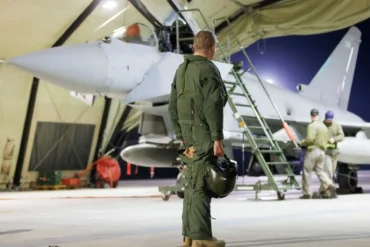
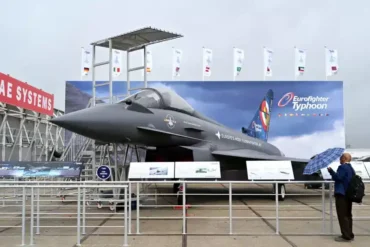
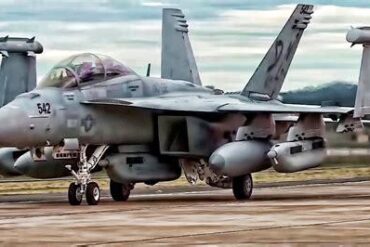
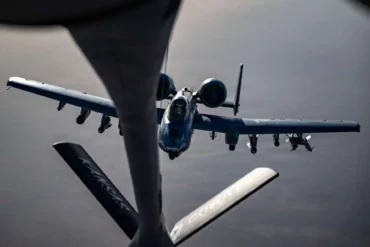
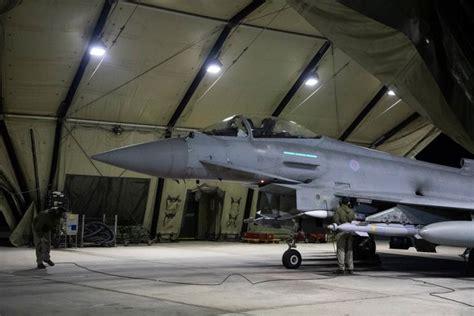
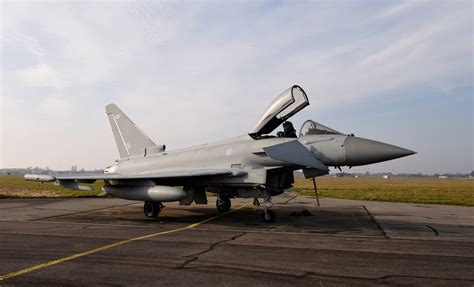
The UK Ministry of Defence has moved additional RAF fighter jets, including Typhoons, to strategic locations in the Middle East, leveraging long-established bases in Qatar, the United Arab Emirates, and Bahrain. The move is officially described as a “contingency measure” to support regional stability. However, questions remain about whether the UK will play a direct role in defending Israeli airspace.
Prime Minister Starmer, speaking en route to the G7 summit in Alberta, Canada, confirmed the redeployment but was careful not to commit to specific operational plans. “We are moving assets to the region, including jets, and that is for contingency support in the region,” he told reporters, following a series of high-level meetings with allied leaders including President Donald Trump and Canadian Prime Minister Mark Carney.
While stopping short of declaring that the UK would engage militarily on Israel’s behalf, Starmer emphasized the UK’s commitment to its allies and its longstanding recognition of Israel’s right to self-defence. He further underscored the need for urgent de-escalation in the region, referencing ongoing concerns about Iran’s nuclear programme.
British Officials Weighing Military Support Options
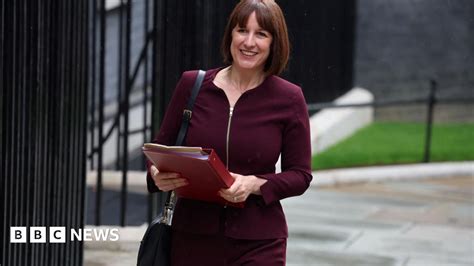
Despite Starmer’s restrained tone, Chancellor Rachel Reeves signaled a readiness to respond to Iranian provocations. She highlighted that the RAF deployment was, in part, intended to protect British personnel and military bases, but also acknowledged previous instances where Britain had supported Israel during missile attacks.
Reeves stated, “We have in the past supported Israel when there had been missiles coming in. I’m not going to comment on what might happen in the future.” Her comments, made during a series of media interviews, left the door open for further UK military involvement should the situation escalate.
She also warned of the global repercussions of a wider war, noting that even the current brinkmanship has already caused spikes in oil and gas prices, sending ripples through the fragile post-pandemic global economy.
Risk of a Broader Regional Conflict
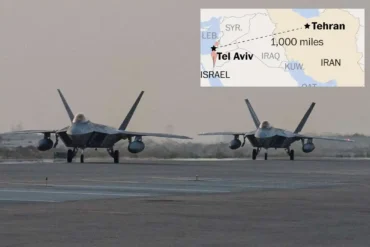
The Iranian government, through state media, has threatened military retaliation against UK, French, and US military bases in the Gulf if any of those nations support Israeli operations. These threats elevate the situation from a bilateral conflict to a possible multilateral confrontation with severe consequences.
British assets in the region are now on high alert. Bases in Doha (Qatar), Al Minhad (UAE), and the UK Naval Support Facility in Bahrain form a critical part of the UK’s military logistics in the Gulf. These bases serve as the operational backbone of Operation Shader, Britain’s ongoing mission targeting remnants of ISIS in Iraq and Syria.
A Delicate Diplomatic Balancing Act
The deployment of RAF jets and the travel warning have placed the Starmer administration in a complex diplomatic position. On one hand, Britain has long supported Israel as a strategic ally, including cooperation on counterterrorism, cyber defence, and intelligence sharing. On the other, the UK must maintain delicate relations with key Gulf states and avoid becoming entangled in a direct confrontation with Iran.
Starmer’s recent call with Israeli Prime Minister Benjamin Netanyahu was described as “good and constructive,” focusing on Israel’s safety and security. However, the prime minister also communicated Britain’s firm stance that de-escalation is essential. His message was consistent in subsequent conversations with President Trump and Saudi Crown Prince Mohammed bin Salman, reinforcing the UK’s intent to avoid war while preparing for its possibility.
Travel Advisory Highlights Worsening Threat Landscape
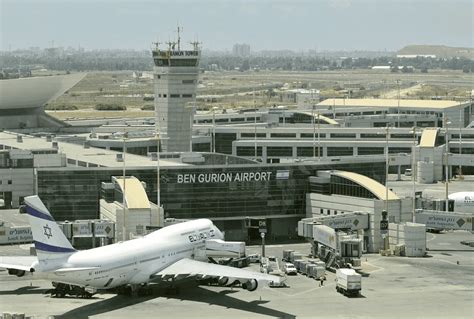
The UK government has stopped short of initiating evacuation flights for British nationals in Israel, though officials have not ruled out the option. Instead, they emphasized that while Israeli airspace is currently closed, the country has historically shown a strong capability to resume commercial aviation quickly once it is safe.
Officials also noted that road access to Jordan remains open, offering a potential route for British citizens to leave the country in emergencies. However, the FCDO does not currently recommend this route, citing unpredictable security conditions on the ground.
This latest advisory comes after months of incremental tensions in the region, exacerbated by proxy conflicts in Syria, Lebanon, and Yemen, alongside growing instability in Iraq. Analysts fear that a direct confrontation between Iran and Israel would ignite a wider regional war, dragging in the United States, the UK, and potentially NATO members into a spiral of escalating violence.
The Broader Geopolitical Stakes
While much of the public attention has focused on the immediate threat of missile strikes and air warfare, the geopolitical implications of this crisis run much deeper. A regional war would likely have devastating consequences for global energy markets, especially if shipping lanes through the Strait of Hormuz were compromised.
Nearly 20% of global oil trade passes through this strategic chokepoint. A blockade or targeted attack here could trigger worldwide fuel shortages, drive inflation, and plunge economies into recession. British energy analysts have already noted upticks in Brent crude and natural gas futures, warning that sustained conflict could shock markets in a manner not seen since the Gulf War of the 1990s.
In parallel, there is concern over the potential collapse of nuclear diplomacy with Iran. Years of negotiations over the Joint Comprehensive Plan of Action (JCPOA) have yielded limited results, and the growing militarization of the conflict risks rendering any diplomatic breakthroughs impossible in the near term.
Looking Ahead: Will the UK Intervene Militarily?
The clearest takeaway from the UK’s recent maneuvers is that while London wants peace, it is preparing for military engagement if necessary. The ambiguity of public statements from Starmer and Reeves reflects a calculated strategy: deter Iran without provoking it.
Britain’s next steps will depend heavily on how Israel and Iran proceed. If Israel faces a direct and sustained aerial assault, pressure will mount for the UK to activate defensive operations, including air interdiction and missile shield support.
Until then, the UK continues to push for diplomatic resolution, aligning closely with Washington and Riyadh while leveraging its military readiness as a backstop against escalation.
With all eyes now on the G7 summit and diplomatic backchannels in Europe and the Gulf, the question remains: can this rapidly deteriorating situation be contained—or is the region on the brink of a broader war?