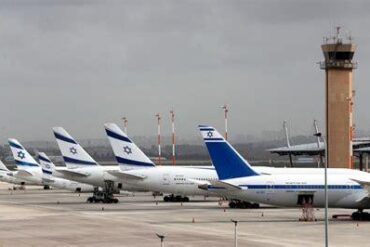
As U.S. military strikes on Iranian nuclear facilities intensify, the world’s leading airlines—including British Airways, Air France-KLM, United, Delta, Lufthansa, and Japan Airlines—have begun a sweeping overhaul of their flight operations across the Middle East. With war clouds gathering and the potential for a broader regional conflict increasing by the hour, these global carriers are not just reacting—they are reshaping the very arteries of international aviation.
The United States’ sudden escalation, targeting strategic nuclear infrastructure within Iranian borders, has triggered a volatile cascade of events. The skies above Iran, Iraq, Israel, and parts of Jordan have transformed into aerial minefields, forcing commercial aircraft into last-minute diversions, emergency landings, and full-blown flight cancellations.
British Airways at the Forefront of Strategic Diversions
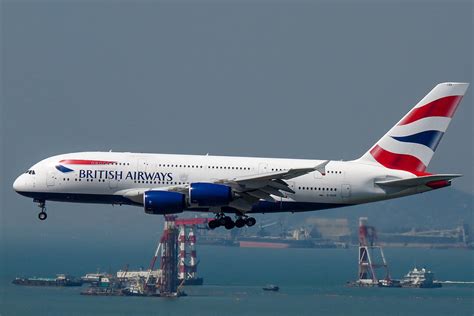
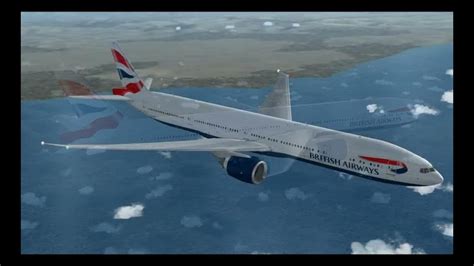
Among the first to act decisively was British Airways. On Saturday night, Flight BA109 from London Heathrow to Dubai found itself in rapidly deteriorating airspace conditions. Initially crossing over Saudi Arabian territory, the aircraft received urgent orders to divert, eventually making an emergency landing in Zurich, Switzerland. The Boeing 787 Dreamliner’s sudden redirection became a symbolic harbinger of chaos yet to unfold.
By Sunday morning, British Airways had already grounded all operations to and from Dubai and Doha, citing “passenger and crew safety” as the driving factor. Flexible rebooking options were swiftly introduced, giving customers a narrow window to adjust their travel without penalties. Meanwhile, long queues formed at Heathrow, where travelers confronted grounded flights, ambiguous schedules, and rising anxiety.
Domino Effect Among Global Carriers
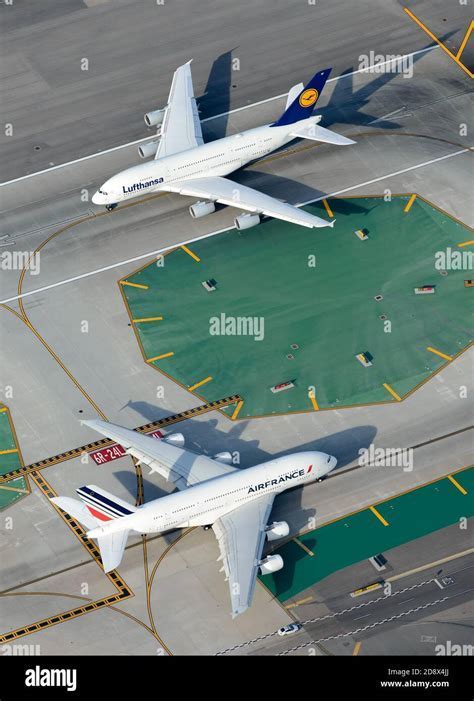
British Airways’ decision was just the beginning. In quick succession, Air France-KLM, Lufthansa, United Airlines, Delta, and Japan Airlines took similar actions. Long-haul flights previously charting a course over the Middle East now require complex rerouting.
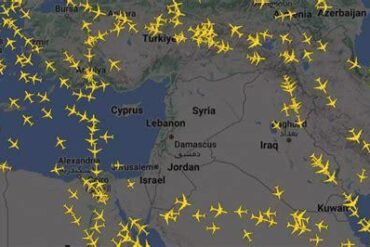
Flights that once crossed Iranian and Iraqi airspace are instead detouring over Turkey, Egypt, and the Arabian Peninsula. These adjustments have resulted in significantly longer flight times—up to two extra hours on some transcontinental routes. Operational costs are ballooning, with each hour of rerouted flying adding roughly $7,000 in fuel expenses for wide-body jets like the Boeing 777.
Israel Shuts Down Its Airspace
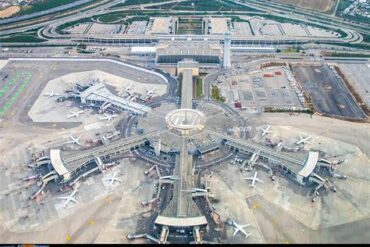
One of the most dramatic responses came from Israel, which announced a total closure of its airspace following Iranian retaliatory missile launches. This has effectively frozen both inbound and outbound traffic from Tel Aviv Ben Gurion Airport, creating a ripple effect across European and Asian aviation hubs.
For airlines like El Al, which maintains robust transatlantic and intra-regional connections, the shutdown has meant grounding fleets and rerouting essential traffic through neighboring countries. Flights scheduled to pass near Israeli territory now risk unanticipated diversions or mid-air reroutes, adding even more pressure to already congested alternate air corridors.
A Sky Filled With Holes: No-Fly Zones Multiply
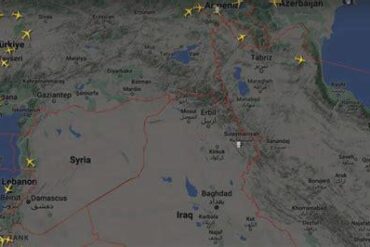
A review of live flight-tracking platforms such as FlightRadar24 reveals what aviation experts are calling a “sky with holes.” As Iran, Iraq, Syria, Israel, and now parts of Jordan close down their skies to civilian aircraft, gaping voids in commercial airspace are becoming increasingly apparent.
The U.S. Federal Aviation Administration (FAA) and several European regulators have declared multiple no-fly zones, urging airlines to avoid the conflict region altogether. The decisions, while necessary for safety, are also strangling the efficiency of international aviation routes that connect Europe with Asia and the Gulf.
Emergency Evacuations and Government Response
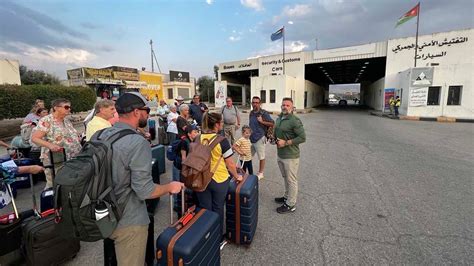
In parallel with airline reactions, governments are initiating emergency evacuation protocols. The U.S. State Department has doubled the number of evacuation flights for Americans currently in Israel and Lebanon. Some 1,000 U.S. nationals—many of them students—were already transported to Cyprus via maritime routes, a signal of just how unpredictable the situation has become.
U.S. embassies in Baghdad and Beirut are advising non-essential personnel to evacuate while commercial options are still available. These advisories are being updated almost hourly, highlighting the dynamic nature of the unfolding geopolitical crisis.
Operational and Financial Toll on Airlines
The burden on airlines is multi-faceted. Beyond safety, the conflict is placing immense strain on operational efficiency and profitability. Extended detours mean higher fuel consumption, crew overtime, and disruptions to aircraft rotation schedules. In addition, airlines must manage passenger rebooking, communicate frequent updates, and handle an avalanche of refund requests.
In response, carriers such as Emirates, Qatar Airways, and Turkish Airlines have issued travel waivers, allowing affected passengers to change or cancel tickets with minimal financial penalty. However, the sheer volume of impacted flights is stretching airline customer service infrastructure to the brink.
Geopolitics in the Cockpit: Strategic Flight Planning
As this crisis unfolds, the role of airline crisis management teams has grown increasingly complex. Flight paths are no longer chosen for convenience or fuel efficiency but must account for real-time intelligence, military alerts, and even cybersecurity threats.
Interestingly, some airspaces that remain technically open—such as Russia’s airspace—are still avoided by Western carriers due to political and regulatory constraints. This selective routing has led to overcrowding in safer zones, notably Egyptian, Saudi, and Turkish airspace, which are now handling abnormally high volumes of overflights.
Travel in the Age of Uncertainty
For passengers, the impact is immediate and deeply personal. Missed weddings, stranded honeymoons, and derailed business meetings are now part of the collateral damage. More than ever, travel insurance coverage, real-time airline apps, and proactive itinerary planning are crucial tools for navigating this volatile environment.
In response, travel agencies and tourism boards across the Middle East are issuing daily safety bulletins, though traveler confidence remains fragile. Many airlines have already seen a sharp decline in forward bookings for destinations near the conflict zone, further compounding their financial troubles.
Lessons From the Past, Challenges for the Future
The aviation industry is no stranger to geopolitical disruptions—from the Ukraine conflict to the 2010 Icelandic volcano ash cloud—but the speed and scale of this crisis mark a new benchmark. Airlines have contingency plans, but they rarely face such rapid escalation.
British Airways’ quick action, mirrored by its global peers, demonstrates an increasingly agile aviation sector. However, questions remain about how long such rerouting strategies can remain sustainable, especially if the conflict endures or widens.
A Fragile Web of Global Connectivity
Ultimately, what is unfolding over the Middle East underscores a sobering truth: international air travel is deeply vulnerable to geopolitical tremors. As missile trails cut across once-open skies and diplomatic rhetoric turns hostile, commercial airlines are caught in the crossfire of decisions far beyond their control.
British Airways and its counterparts have shown a commitment to safety and swift adaptation. Yet, with each new missile fired and each retaliatory act, the aviation industry inches closer to an operational brink—one where no route is truly safe, no schedule guaranteed, and no destination immune.
For now, the skies are unstable, the flight paths fragile, and the future of air travel through the Middle East uncertain. But one thing is clear: global aviation is once again a frontline witness to the volatile theatre of international politics.