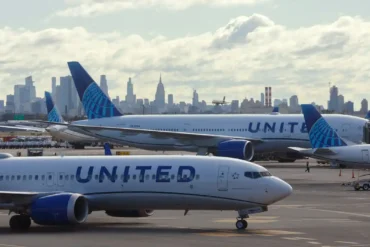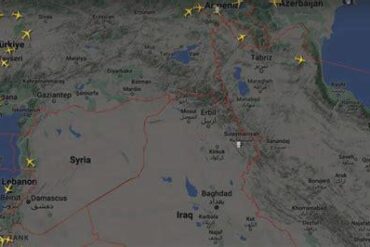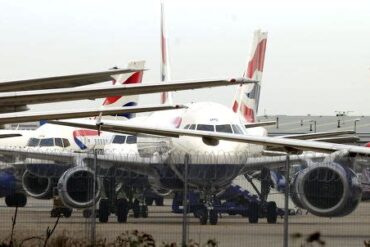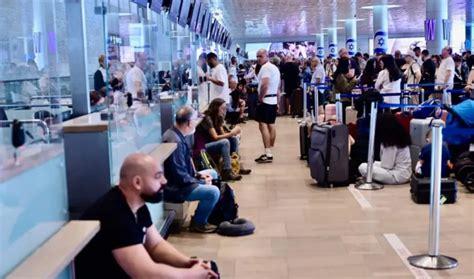
United Airlines has abruptly suspended all flights to Dubai, marking a jarring escalation in the ongoing turbulence surrounding Middle Eastern airspace. The announcement, made without prior warning, came as a direct response to the escalating regional conflict involving Israel and Iran, sending shockwaves through global aviation corridors and leaving thousands of summer travelers scrambling for alternatives.
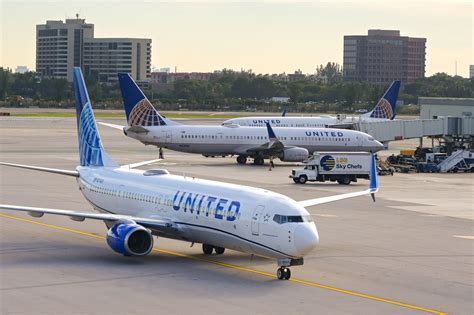
The suspended route—linking Newark Liberty International Airport with Dubai International Airport, one of the world’s busiest transit hubs—represented United’s only direct connection to the UAE. The move, described as “precautionary” by airline insiders, was prompted by rising instability in the region and the potential threat posed to commercial aviation traversing increasingly volatile airspace.
Regional Conflict Forces Abrupt Airline Exit
The situation began to unravel following reports of intensified military engagements between Israel and Iran, with missile activity escalating in and around Tel Aviv. In response, multiple airlines—including Delta Air Lines—suspended flights to Israel. United’s latest decision to pull out of Dubai highlights the broader geographic scope of the current crisis.
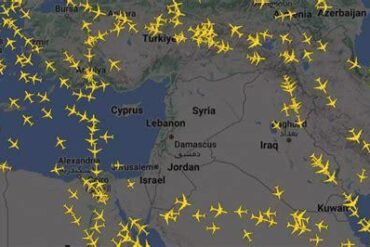
While United has not publicly detailed specific security concerns, aviation safety analysts suggest that flight paths between the U.S. and Dubai may now pose elevated risk. These routes frequently pass through sensitive zones, including Iraqi and Iranian airspace. As tensions mount, the threat of airspace incursion, missile misfires, or even direct military confrontation becomes a risk that airlines are no longer willing to accept.
Summer Travelers Face Widespread Disruption
The timing of the suspension could not be more disruptive. June traditionally marks the beginning of peak summer travel season, with Dubai welcoming an influx of American vacationers, business travelers, and transit passengers en route to Asia and Africa. With United’s exit, thousands now find themselves without a direct U.S. carrier to the UAE.
Travelers with existing bookings face a host of complications:
- Increased costs as they are forced to rebook on foreign carriers.
- Longer journey times due to layovers in Europe or Asia.
- Uncertainty around refunds and rebooking policies, with some relying on travel insurance that may not fully cover geopolitical cancellations.
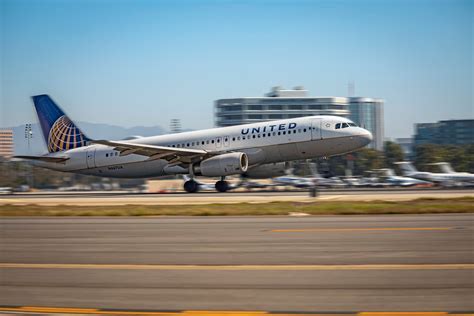
Newark-Dubai Route: A Critical Transcontinental Link
The Newark–Dubai route was a cornerstone of United’s global network, connecting two economic powerhouses and serving as a key axis for East-West travel. Its importance extended beyond tourism: corporate executives, government officials, and cargo operations all depended on this link.
Newark Liberty, United’s strategic hub on the U.S. East Coast, regularly funneled travelers from major U.S. cities onto the Dubai-bound flight. For many, the route offered not just convenience but a high level of connectivity to over 100 onward destinations via Emirates’ extensive network.
With the flight now canceled indefinitely, that connectivity has been severely compromised. Passengers may now need to route through Heathrow, Frankfurt, or Doha, often with longer layovers and increased risk of delays.
Emirates and Other Gulf Carriers Step In
The immediate beneficiary of United’s withdrawal is Emirates, the Dubai-based mega-carrier, along with Qatar Airways and Turkish Airlines. These airlines are expected to absorb the overflow of stranded passengers, but the sudden demand spike is already inflating fares and stretching seat availability.
While these carriers are well-equipped to handle long-haul traffic, the surge could lead to overbooked flights, strained customer service infrastructure, and further travel chaos if the regional situation deteriorates further.
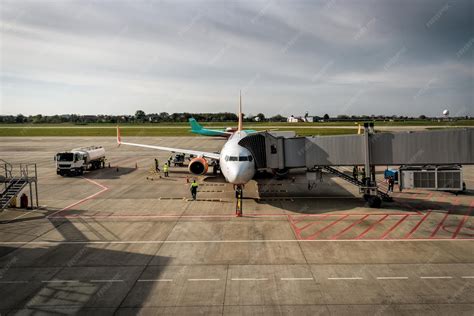
Airline Industry Grapples with New Normal of Geopolitical Risk
This development is just the latest flashpoint in an aviation industry increasingly shaped by geopolitical instability. Airlines have traditionally based route decisions on profitability and demand. However, the current environment shows that security and risk assessments are now primary drivers of route planning.
According to insiders at multiple major airlines, U.S. carriers are now employing real-time intelligence feeds and military liaison briefings to determine which routes can operate safely. Even previously stable destinations are under weekly—and sometimes daily—review.
The fallout from United’s Dubai decision could influence:
- How airlines approach new route launches into volatile regions.
- Insurance underwriting for both airlines and travelers.
- Regulatory oversight from bodies like the Federal Aviation Administration (FAA) and International Civil Aviation Organization (ICAO).
Travelers Left in the Lurch: Communication Breakdown Deepens Crisis
In the immediate aftermath of United’s announcement, travelers have voiced growing frustration. Many report receiving cancellation notices with little explanation and no clear guidance on alternatives. Airline call centers were overwhelmed, and social media quickly filled with images of crowded terminals, disrupted itineraries, and panicked passengers.
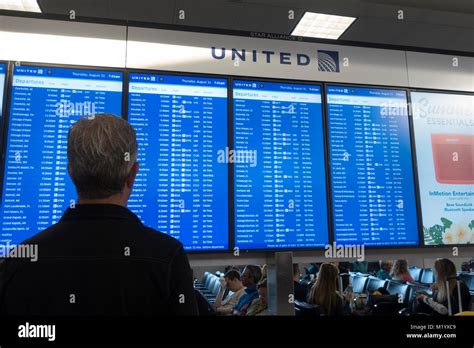
This lack of preparedness highlights a broader challenge: how can airlines better communicate sudden disruptions in a high-risk environment? Some industry analysts argue that major carriers should have contingency playbooks ready—not just internally, but also transparent frameworks to assist affected travelers in real time.
United’s Strategic Dilemma and the Future of Gulf Engagement
United Airlines now faces a critical decision-making crossroads. With its only UAE route halted, the airline must decide whether to re-enter the Gulf market through alternate cities or risk ceding long-term market share to competitors.
In previous years, United had gradually increased its global presence, attempting to match rivals like Delta and American Airlines in international scope. However, this latest withdrawal underscores the fragility of global expansion when political winds turn hostile.
United may explore limited codeshare expansions with Star Alliance partners, or potentially open new connections through safer third-party airports like Athens or Zurich. But such arrangements can’t replace the strategic depth of a direct service to a major global hub like Dubai.
What Happens Next: Airspace Politics and Commercial Aviation
The resumption of flights will likely depend on multiple factors, including:
- A de-escalation of regional hostilities between Israel, Iran, and their proxies.
- Reassessment of flight route safety by global aviation regulators.
- Coordination between U.S. authorities, Middle Eastern allies, and the airline industry.
Until then, the current suspension may remain in place for weeks—or even months. Industry watchers warn that a cascading effect could follow, with more carriers possibly pulling out if regional security continues to deteriorate.
A Wake-Up Call for International Travel
United’s dramatic exit from Dubai is more than a temporary rerouting. It’s a clear signal that air travel in 2025 is entering a more volatile phase, where route availability may fluctuate in tandem with diplomatic and military developments.
For travelers, this means a new travel philosophy must take hold:
- Buy flexible tickets whenever possible.
- Monitor regional news closely before departure.
- Opt for travel insurance policies that include coverage for conflict-related disruptions.
For airlines, the crisis underscores the need for resilience planning, cross-border coordination, and customer-first crisis management. The age of predictable global routes is slipping away, replaced by a world where agility and safety rule.
Conclusion: A Defining Moment for Modern Aviation
United Airlines’ suspension of all flights to Dubai may soon be remembered as a defining moment in modern aviation history—a moment when the global travel network revealed its vulnerability to forces beyond market economics.
As the Middle East crisis continues to evolve, and as tensions ripple outward, airlines, governments, and travelers must adapt in real-time. The skies may be open, but they are far from secure.
This episode, though unsettling, is a potent reminder: in a deeply interconnected world, no destination—no matter how popular or strategic—is immune from disruption.