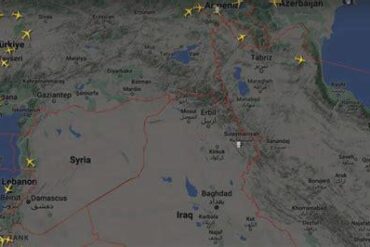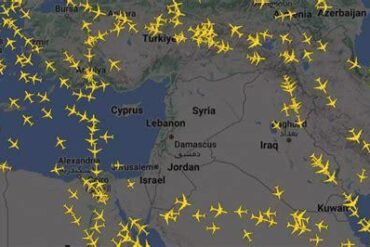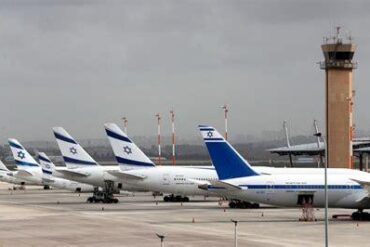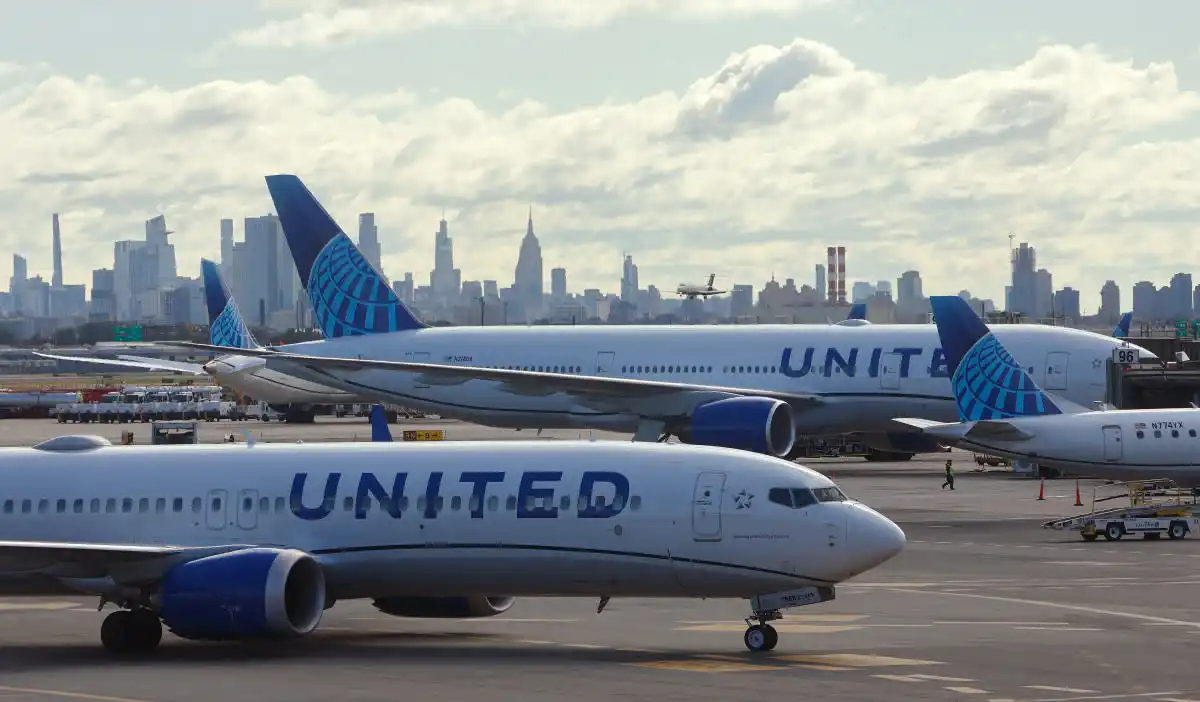
The mounting Israel-Iran conflict has thrown transatlantic aviation into disarray, with United Airlines joining a growing list of major carriers—including Delta Air Lines, Lufthansa, Air India, EasyJet, and Qatar Airways—that have suspended or diverted flights connecting North America and Europe to the Middle East. The closure of critical airspace over Israel, Iran, Iraq, and Jordan has created an unprecedented logistical nightmare, amplifying travel chaos and leaving thousands of passengers stranded.
United Airlines and Delta Halt Flights as Conflict Intensifies
As of June 13, 2025, United Airlines has suspended all flights to Israel until June 30, with flagship routes such as Flight UAL84 from JFK to Tel Aviv abruptly forced to turn around mid-flight. The carrier also canceled Flight UAL90, stranding numerous passengers across key transit hubs. These decisions reflect growing concern over the safety of traversing hostile airspace, as the region’s volatility threatens aircraft security.
Delta Air Lines has implemented even broader suspensions, halting all JFK–Tel Aviv flights through August 31. One aircraft was recalled while en route to Ben Gurion Airport, reflecting the sudden and unpredictable nature of the crisis. The suspension extends to future bookings, and the carrier has urged passengers to rebook with alternative options or delay their plans.
European Airlines Cancel Tel Aviv and Tehran Flights
The disruption isn’t limited to U.S.-based carriers. The Lufthansa Group, encompassing SWISS and Austrian Airlines, has ceased flights to Tel Aviv, Tehran, Amman, Beirut, and Erbil until July 31. These cancellations are compounded by a complete avoidance of Iranian, Iraqi, and Israeli airspace, which further complicates route planning and aircraft rotation.
Air France-KLM has also taken decisive action. Air France has indefinitely canceled Tel Aviv flights, while KLM has halted service until July 1. These terminations reflect serious operational risk assessments and signal a collective retreat of Western European carriers from the region’s air routes.
Ryanair, the continent’s largest low-cost airline, has suspended all Tel Aviv routes through August 31. In a similar vein, EasyJet has halted service until July 31, prioritizing passenger safety amid increasingly restricted corridors. Wizz Air has enacted a 72-hour suspension of flights to Tel Aviv, adopting a more cautious monitoring stance.
Air India Diverts Long-Haul Flights Through Europe
Air India has reacted swiftly by rerouting 16 major international flights, including those from New York, London, Vancouver, and Chicago. The airline is funneling traffic through Vienna and Frankfurt, creating longer itineraries and unexpected layovers. While operational continuity is being maintained, travelers face prolonged travel times and schedule volatility.
These reroutes also carry financial burdens. Detours around the Middle East increase fuel consumption, extend crew hours, and complicate fleet logistics, potentially triggering delays across interconnected global networks.

Middle Eastern and Asian Airlines Hit Hard
The crisis is perhaps most acute for regional airlines. Qatar Airways has canceled all services to Iran and Iraq, and flights to Syria remain in flux. The Qatari carrier is urging passengers to consult for rebooking options as airspace unpredictability grows.
Emirates, based in Dubai, has canceled routes to Iraq, Jordan, Lebanon, and Iran until June 15, though further extensions are likely. Sister airline Flydubai has suspended services to Amman, Beirut, Damascus, and all Israeli destinations, reflecting the widespread fallout in Gulf aviation.
Turkish Airlines has also taken preemptive steps, canceling all operations to Iran, Iraq, Syria, and Jordan through June 16. These measures represent a sweeping regional response to geopolitical risk.
Aeroflot, Russia’s national airline, has canceled its Moscow–Tehran flights and is rerouting traffic through Dubai and Abu Dhabi. The reroutes reinforce a trend of hub diversion away from conflict-impacted regions and toward safer Gulf airspaces.
Rising Operational Costs and Network Strain
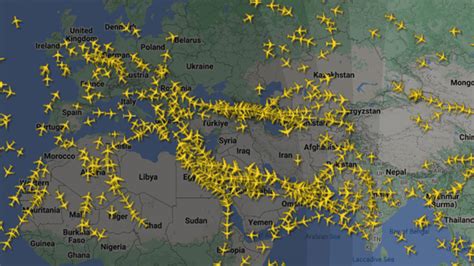
The closure of large sections of Middle Eastern airspace has created operational headaches across the aviation industry. Airlines are now forced to fly longer routes over southern Europe, North Africa, or the Arabian Peninsula, adding substantial flight hours and increasing fuel expenses.
This airspace limitation creates an air traffic bottleneck, pushing more aircraft into fewer safe corridors. Increased congestion at major European transit hubs like Frankfurt, Vienna, and Doha may lead to cascading delays, further stressing already thin summer travel schedules.
Moreover, the implications extend beyond passenger travel. Air freight—a critical component of transcontinental trade—is also suffering delays. Time-sensitive cargo shipments to the Middle East and parts of Asia now require new routing plans, disrupting supply chains already weakened by global inflationary pressures.
Government Travel Advisories and Airline Communications
Several governments have issued travel advisories urging citizens to avoid non-essential travel to conflict-prone areas in the Middle East. Countries such as the United States, Canada, France, and Germany have escalated their security warnings, citing increased risks of missile strikes, airspace incursions, and surveillance targeting civilian airliners.
In response, airlines are stepping up direct communication with travelers. Real-time flight tracking, SMS alerts, and push notifications via mobile apps have become essential tools for informing passengers of cancellations and alternate travel plans. Passengers are urged to remain vigilant, monitor airline websites, and check government portals for the latest safety updates.
Strategic Rerouting and Future Risks
Many airlines are activating contingency flight plans developed during prior conflicts, such as the Gulf War or the Ukraine–Russia crisis. These protocols allow pilots to avoid conflict zones using pre-approved air corridors, though they often involve significant detours. Long-term sustainability of such reroutes depends on how prolonged the conflict becomes and whether new airspace closures are enacted.
Moreover, geopolitical risks could potentially expand. Should neighboring countries such as Saudi Arabia or Egypt become involved, even more airspace could be restricted, resulting in transcontinental delays that span continents. Airlines are already reevaluating crew scheduling, airport slot allocations, and fleet deployments in anticipation of a protracted crisis.
What Passengers Can Do Now
For travelers impacted by the ongoing disruptions, several key actions are recommended:
- Monitor flights regularly using official airline platforms.
- Contact your airline for rerouting options or refunds.
- Avoid booking layovers in conflict-adjacent zones.
- Secure travel insurance that covers cancellations and itinerary changes due to geopolitical unrest.
- Check travel advisories from your government before departure.
The rapidly changing situation necessitates flexibility and vigilance. With the summer travel peak approaching, industry observers warn that further turbulence in global aviation is inevitable if the Israel-Iran standoff escalates.
Conclusion: Aviation Industry on Alert
The ripple effects of the Israel-Iran conflict are being acutely felt across the transatlantic and European aviation corridors. From United Airlines’ emergency turnarounds to Qatar Airways’ regional suspensions, the aviation sector is now navigating its most complex geopolitical challenge since the COVID-19 pandemic. The complete or partial closure of multiple Middle Eastern airspaces is not just a regional crisis—it is a global aviation emergency.
With airlines scrambling to stabilize operations and passengers left in limbo, the coming weeks will determine whether international travel can adapt to the new normal—or if the skies will remain a theater of disruption well into the second half of 2025.