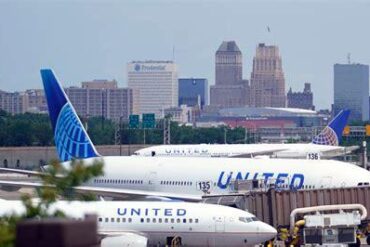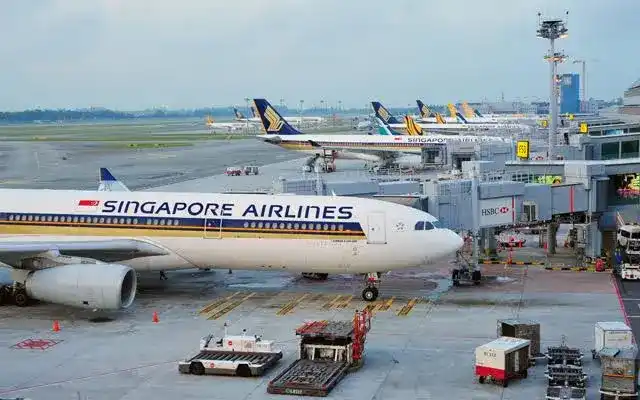
The global aviation landscape has entered unprecedented turbulence after a wave of U.S. airstrikes on Iranian nuclear facilities sent shockwaves through the Middle East. Major international carriers including United Airlines, American Airlines, Air Canada, Lufthansa, Emirates, British Airways, KLM, and Singapore Airlines have rapidly suspended or rerouted flights to avoid escalating threats across Iranian and adjacent airspace.
Airspace Becomes a No-Go Zone After U.S.-Iran Escalation
The strikes, which targeted Iran’s Fordo, Natanz, and Isfahan nuclear complexes, have ignited a full-blown airspace crisis. Commercial airlines now face a scenario where flying over Iran, Iraq, Syria, and even parts of Israel presents too great a risk. The Federal Aviation Administration (FAA) and European Union Aviation Safety Agency (EASA) have expanded no-fly advisories, prompting immediate changes to flight paths.
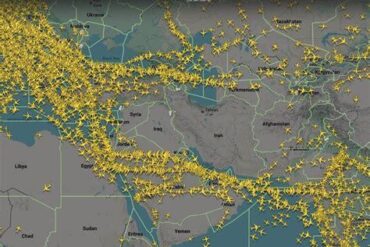
What was once a reliable corridor connecting Asia, Europe, and the Middle East is now a patchwork of flight bans, emergency rerouting, and cancelled itineraries. United and American Airlines are avoiding the entire conflict zone. Air Canada has pulled out of routes that intersect Iranian and Iraqi airspace. Lufthansa and KLM have grounded services outright. Meanwhile, Singapore Airlines has suspended several key long-haul sectors, opting to circle north via Kazakhstan or south through Africa.
Longer Routes, Rising Costs: The Operational Domino Effect
The decision to abandon Middle Eastern corridors isn’t made lightly. Airlines now face massive fuel burn increases, crew hour violations, and flight delays stretching into days. Where a route from London to Mumbai once took under nine hours, it now takes twelve.
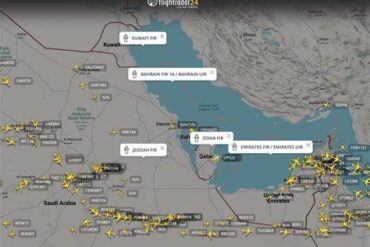
Airlines are adjusting navigation through the Caspian detour, routing via Georgia, Armenia, and Azerbaijan, or heading deep south through Saudi Arabia and the Red Sea corridor. This has had a ripple effect on airport congestion, with Doha (DOH), Dubai (DXB), and Amman (AMM) becoming choke points for diverted traffic.

With no safe direct routes, longer flight times have triggered fuel supply bottlenecks, especially at busy hubs like Dubai and Istanbul. Carriers like Emirates, which once thrived on quick regional connections, now find themselves recalculating networks overnight.
Israel Closes Airspace Amid Missile Threats
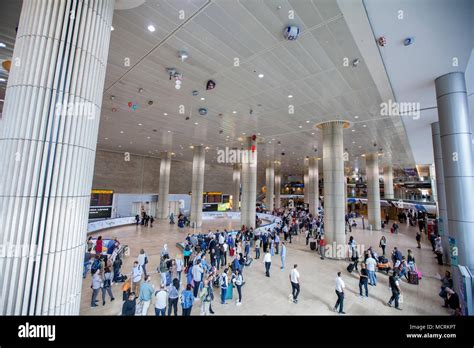
The impact is perhaps most dramatic in Israel. Following retaliatory missile attacks from Iran, the Israeli Civil Aviation Authority shut its airspace through June 27. Major airports like Ben Gurion (TLV) and Haifa have suspended operations, and domestic airlines El Al, Arkia, and Israir have grounded all services.
Tens of thousands of travelers—both locals and tourists—are stranded. In response, the Israeli government coordinated with Jordan and Cyprus for overland and maritime evacuation routes. Ferry services to Larnaca and special buses to Amman Airport have become the lifeline out.
Tourists Trapped, Nations Evacuate
As the airspace chaos widens, governments are scrambling to get their citizens out. Japan organized a complex land evacuation from Tehran to Baku in Azerbaijan. New Zealand has sent a Hercules military aircraft to extract nationals from the Gulf region.
Across Europe and Asia, embassies have issued red alerts, warning against any non-essential travel to the affected region. Charter flights and military planes are now engaged in nonstop missions to bring people home. The urgency underscores just how precarious and fast-moving the crisis has become.
Hotels, Tourism Industry in Freefall
The travel and hospitality sectors across the Middle East have suffered a devastating blow. In Tel Aviv and Jerusalem, occupancy has plunged to single digits. Hotels are offering full cancellations with no penalties, simply trying to survive the tsunami of booking withdrawals.
Luxury resorts in Dubai, Muscat, and Abu Dhabi, which depend heavily on leisure travelers and business conferences, have reported a 70–80% drop in bookings. Tour operators have shut down Middle East itineraries, and business travelers are cancelling trips in droves.

Travel Insurance Chaos Adds to Traveler Woes
Insurers are being overwhelmed with claims for trip cancellations, emergency reroutes, and medical evacuations. Major travel insurance providers have reclassified the region as high-risk, denying coverage for policies purchased after June 13.
This has left many travelers in limbo—especially those already en route. Platforms like Expedia, Booking.com, and Skyscanner have placed warning flags on itineraries transiting through affected regions, but many users report long delays in getting refunds.
The sudden spike in demand for policy changes has also slowed down the ability of agents and travel managers to offer timely support. Some airlines are cooperating with full refunds or vouchers, but others are following standard cancellation policies, citing “acts of war.”
Aviation Watchdogs Issue Critical Risk Alerts
Global aviation risk monitors such as Safe Airspace, OpsGroup, and ICAO have elevated the region to a Category Red Warning Zone. Despite no direct hits on commercial aircraft, the risk from stray missiles, radar jamming, and GPS spoofing makes the environment too volatile.
The U.S. FAA has expanded its no-fly warning from just Iranian FIRs (Flight Information Regions) to include Iraq and Syria. The EASA now cautions against flying below FL320 (32,000 feet) in surrounding zones, warning of sudden escalations.
U.S. Military Action: The Flashpoint
The entire upheaval stems from U.S. military action targeting Iran’s nuclear sites. Employing GBU-57 “Massive Ordnance Penetrators”, the strikes were meant to halt what the Pentagon alleges was a secret uranium enrichment acceleration program. Iran denies these claims, stating that all critical infrastructure had been evacuated prior to impact.
Regardless of military justifications, the travel fallout has been universal. The Middle East—home to critical east-west aviation corridors—is now one of the world’s most dangerous no-fly zones.
Fuel Prices Surge, Airlines Struggle to Stay Afloat
With the Strait of Hormuz under threat, global oil prices have spiked over 15%, hitting airline budgets with brutal force. For airlines still operating across the periphery of the region, fuel costs alone may force route suspensions.
Carriers that rely on thin margins and long-haul efficiency—like Singapore Airlines, Turkish Airlines, and British Airways—are now being crushed between operational constraints and mounting overhead.
Expect airfare increases on all Asia-Europe and Asia-America routes transiting near the region. This is likely to extend even to routes not directly affected, as network optimization becomes impossible.
Uncertain Future: Diplomacy or Deepening Crisis?
The current trajectory offers no easy exit. Without an immediate return to diplomatic engagement between the U.S., Israel, and Iran, the instability is expected to deepen. Airlines are already planning for weeks, if not months, of reroutes and suspensions.
The prospect of further military escalation—especially involving Iran’s allies in Lebanon, Syria, and Yemen—could draw even more airspace closures. Governments and travel associations are pressing for emergency summits to coordinate civilian aviation safety measures.
In the meantime, the aviation and travel industry must operate under wartime logic. Every flight plan is subject to change. Every booking is a risk. Every destination in the Middle East is a gamble.
The world is watching. The skies are closing. And in every departure board turning red, there is a reminder: in war, even the freedom to fly becomes a casualty.