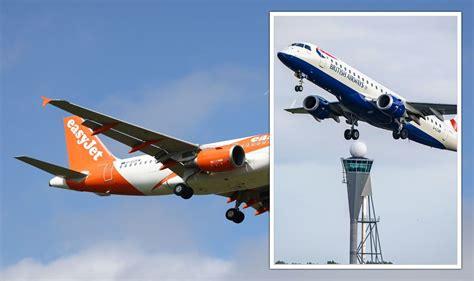
The UK aviation sector is reeling from widespread flight cancellations and passenger turmoil as British Airways and easyJet were forced to ground a total of 64 short-haul flights on July 8, 2025. These cancellations, sparked by a combination of air traffic control delays and severe weather conditions across Europe, left thousands of passengers stranded at some of the nation’s busiest airports, including London Heathrow, Gatwick, Manchester, and Stansted.
The timing could not be worse, as peak summer travel puts immense pressure on airline operations and airport logistics. The situation has renewed calls for urgent reform in Europe’s air traffic control infrastructure, even as passengers scramble for alternatives and compensation.
Widespread Cancellations Disrupt UK Travel Hubs
At the center of this disruption were two of the UK’s leading carriers—British Airways (BA) and easyJet—each of which canceled 32 flights. British Airways primarily impacted operations at London Heathrow, grounding flights bound for Venice, Budapest, Lanzarote, and key domestic routes such as Belfast International and Edinburgh.
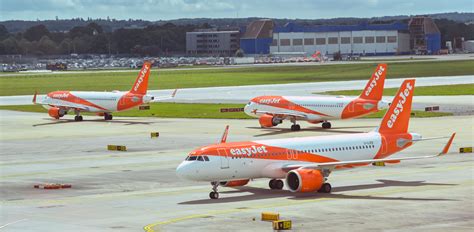
EasyJet’s cancellations mirrored this pattern, focusing on services from London Gatwick. Flights to Lanzarote, Venice, and Budapest were pulled from schedules, alongside two round-trips to Belfast and Edinburgh.
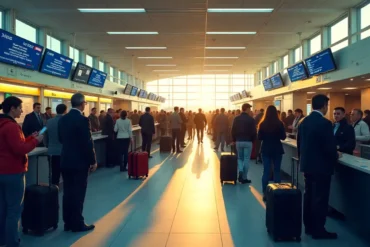
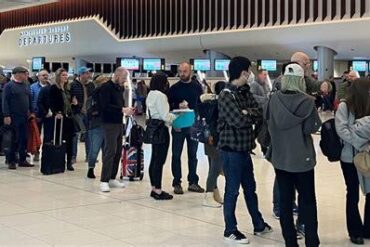
Though Manchester Airport and London Stansted experienced relatively minor fallout—each reporting a single canceled flight—the cumulative impact was felt nationwide. Hundreds of other flights across the UK and continental Europe were delayed, compounding the frustration of travelers already bogged down by long lines, security bottlenecks, and rebooking chaos.
Air Traffic Control Failures and Weather Chaos
The primary causes of the disruption stemmed from European air traffic control (ATC) delays and adverse weather conditions, a volatile mix that overwhelmed flight management systems. According to airport sources, storms across parts of Central Europe and the UK contributed to growing backlogs in flight routing, resulting in cascading delays that airports and airlines struggled to contain.
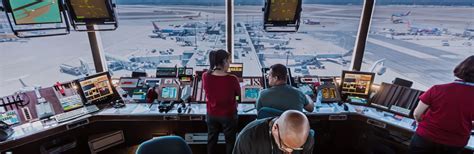
This chaos exposed the fragility of Europe’s ATC networks. Several ATC centers are understaffed, and with the rise in post-pandemic travel, the airspace congestion has reached dangerous thresholds. Aircraft often circle above airports waiting for clearance to land or are rerouted at the last minute, causing fuel burns, missed connections, and widespread logistical disarray.
Airlines, while trying to protect crew and passenger safety, had little choice but to cancel scheduled services to avoid further complications.
EasyJet and British Airways Struggle to Contain Fallout
For easyJet passengers, especially those departing from Gatwick, the cancellation notices came suddenly, often only hours before departure. Many travelers headed to sun-seeking destinations like Lanzarote were informed that their vacations would be postponed indefinitely. Others, planning short European city breaks, found themselves caught in airport limbo, without clear guidance on alternative arrangements.
British Airways faced similar backlash. At Heathrow, passengers reported lengthy queues at customer service desks, limited accommodation options, and confusion around rebooking options. Travelers en route to Budapest or Venice had to cope with last-minute disruptions, and many were forced to seek alternative transport options, often at their own expense.
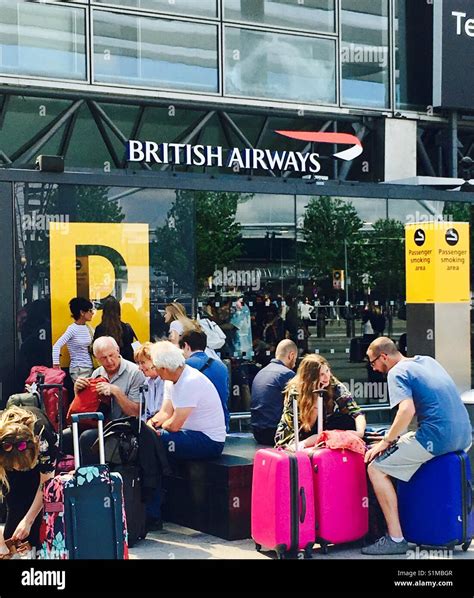
Both airlines issued formal apologies, attributing the chaos to external factors beyond their control. However, that did little to pacify stranded passengers, many of whom aired their grievances across social media, highlighting the lack of proactive communication and limited customer support during the crisis.
Passenger Rights and Compensation Under EU261
Travelers impacted by these cancellations may be eligible for monetary compensation and assistance services under UK and EU flight compensation regulations (EU261). Specifically:
- Passengers on flights canceled within 14 days of departure are generally entitled to compensation of up to €600, depending on the flight distance and length of the delay.
- Airlines must provide meals, refreshments, and hotel accommodation if overnight stays are necessary.
- In case of significant delays, travelers may also be rebooked on alternative flights or receive refunds.
However, if airlines can prove the cancellations were due to extraordinary circumstances, such as weather or ATC decisions, they may not be liable for the full compensation. Still, they remain responsible for providing basic care and alternative travel solutions.
Affected travelers are advised to keep all receipts related to food, transport, and accommodation, and submit claims directly through airline channels. Some passengers have already reported receiving meal vouchers and partial refunds, though many cases remain unresolved due to backlogged support systems.
Industry-Wide Implications and ATC Reform Demands
The July 8th disruption is merely the latest in a growing pattern of travel instability across Europe. As demand for air travel rebounds aggressively post-COVID, existing ATC infrastructure has proven inadequate in handling traffic volumes.
Experts point to a combination of issues:
- A shortage of trained ATC personnel, especially in high-density regions like France, Germany, and southern UK sectors
- Outdated radar and flight-tracking systems, lacking scalability for modern demands
- Insufficient coordination between national ATC authorities
The Single European Sky initiative, long touted as a solution to streamline European airspace, has seen stagnant progress due to political and logistical disagreements among EU member states. With aviation authorities warning of further summer disruptions, the need for bold, coordinated reform has never been clearer.
Calls for Government Intervention and Airline Adaptation
While airlines have borne the brunt of passenger anger, many within the industry argue that systemic failures at the regulatory level are to blame. Several UK-based aviation analysts have called on the UK Civil Aviation Authority (CAA) and Department for Transport to invest heavily in ATC modernization and to pressure EU counterparts into collaborative solutions.
Airlines are also being pushed to improve crisis response protocols—including better communication systems, more robust rebooking platforms, and real-time passenger notification tools. British Airways and easyJet, in particular, are facing questions about customer service staffing levels and support infrastructure amid peak travel periods.
The Passenger Outlook: Staying Vigilant This Summer
Travelers planning trips in July and August should remain alert and flexible, as further weather-induced or ATC-related disruptions remain a strong possibility. Experts recommend the following proactive measures:
- Monitor flight status regularly, especially within 24 hours of departure
- Download airline apps for push notifications and rebooking options
- Arrive early at the airport to allow for long queues and processing delays
- Secure comprehensive travel insurance, specifically covering cancellations and missed connections
Passengers are also advised to check their eligibility for compensation, even if the airline claims the disruption is out of their hands. Legal firms specializing in aviation claims have noted that some airlines misuse the ‘extraordinary circumstances’ defense, and passengers may still have valid claims.
A Long Road Ahead for European Aviation
The UK air travel chaos of early July 2025 serves as a glaring reminder of the fragile state of Europe’s aviation infrastructure. The combination of aging ATC systems, inadequate staffing, and increasing weather volatility has created a perfect storm for recurring travel nightmares.
Unless significant reforms are made, both at the national and pan-European level, passengers will continue to pay the price for the system’s inefficiencies. For now, British Airways, easyJet, and their industry peers must brace for continued turbulence—and so must their passengers.
As peak summer traffic continues to surge, UK airports and airlines will be tested like never before. Whether they rise to meet the challenge—or crumble under the pressure—will determine the trajectory of European air travel for years to come.