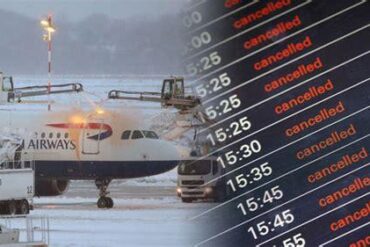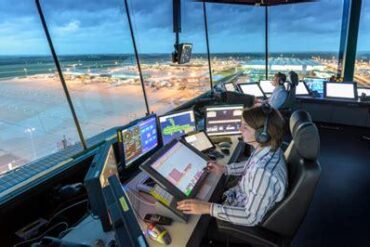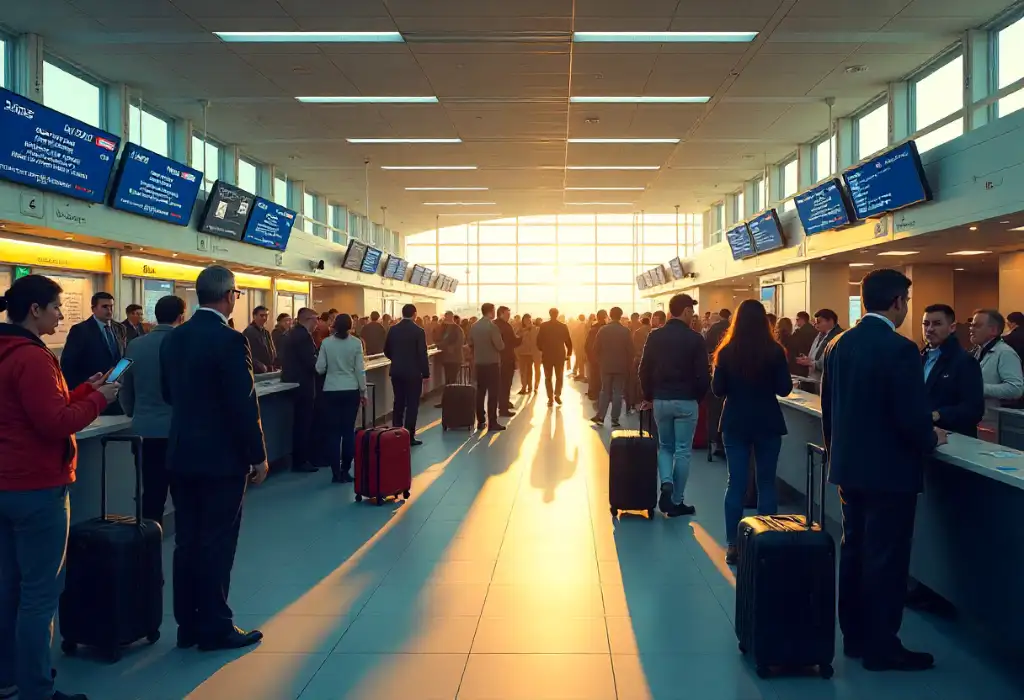
On July 30, 2025, thousands of travelers across the United Kingdom faced hours of uncertainty as a major technical failure at the National Air Traffic Service (NATS) triggered cascading flight delays and cancellations across some of the country’s busiest airports. The disruption, originating from the Swanwick air traffic control center, paralyzed operations at London Gatwick, Stansted, and multiple other UK airports, causing flight diversions, grounded planes, and chaos for passengers caught mid-journey.
The Root Cause: A Technical Glitch at NATS Swanwick
The incident stemmed from a critical system malfunction at NATS’ primary control center in Swanwick, southwest of London. While engineers acted quickly to restore systems, the initial shutdown forced restrictions on the number of aircraft that could safely depart and land, effectively slowing air traffic flow across the country. For over two hours, flight capacity was severely reduced, creating an operational backlog that lingered throughout the day.
The issue caused:
- A temporary cap on the number of planes allowed to depart and land.
- Diversions of inbound flights to other airports.
- Grounded aircraft at several major hubs, resulting in cascading scheduling issues.
The ripple effects of the glitch went beyond delays, forcing airlines to cancel hundreds of flights outright and disrupting tightly packed crew schedules.
Gatwick and Stansted Among the Worst Hit
Gatwick Airport, one of the UK’s primary international gateways, was particularly hard hit. Departures were slowed to a crawl, while inbound flights were either held in prolonged holding patterns or rerouted to alternative airports. Similarly, Stansted Airport, a major hub for budget carriers, saw widespread cancellations and rescheduling as airlines scrambled to adjust operations in response to the system constraints.
Passengers reported waiting for hours without clear communication from airlines, with many left uncertain about whether their flights would depart at all.
British Airways: Capacity Slashed, Flights Canceled
British Airways, one of the most heavily impacted carriers, confirmed that it had to reduce its operating capacity from 45 flights per hour to just 32 for more than two hours. This forced the airline to cancel multiple services and delay many others, leaving passengers stranded at departure gates with little information.
For some travelers, these disruptions had personal consequences. John Carr, a passenger bound for Norway, missed critical pre-wedding events for his brother’s ceremony due to flight cancellations. “I’m pretty gutted,” Carr said. “There was no warning from the airport or the airline that said it was canceled. It’s rubbish. There’s nothing we can do.”
The lack of timely communication was a recurring theme among passengers, many of whom expressed frustration at the inadequate updates provided during the crisis.
Government and Official Responses
Transport Secretary Heidi Alexander addressed the incident publicly, stating: “I have been informed systems have now been restored, but continued disruption is expected, and passengers should check with individual airports for advice.” Her comments underlined the urgency of checking real-time flight updates through airline channels and airport advisories.
NATS issued its own statement, confirming that the issue was caused by a technical glitch in its automated traffic management systems. While engineers managed to restore normal operations within hours, NATS acknowledged that delays and knock-on effects would continue well into the evening.
A Pattern of Technical Failures at NATS
This is not the first time NATS has experienced operational meltdowns. In August 2023, the agency suffered a severe systems failure that forced staff to process flight plans manually, leading to hundreds of cancellations and delays during one of the busiest holiday seasons. That incident impacted approximately 700,000 passengers and highlighted the critical need for robust contingency systems in the UK’s air traffic management infrastructure.
While NATS has since invested in upgrading its systems, recurring software glitches raise questions about the resilience of its operations and its ability to prevent similar crises in the future.
The Passenger Experience: Confusion and Frustration
For travelers, the chaos translated into missed connections, canceled plans, and long waits in crowded terminals. Many passengers expressed frustration over the lack of proactive communication from both airports and airlines. Instead of clear instructions or updated timetables, passengers reported being left to monitor inconsistent departure boards and rely on social media for updates.
The situation also exposed the fragility of crew scheduling systems, with many flights unable to resume service even after the technical issue was fixed because pilots and cabin crews were out of hours.
Lessons for Travelers: Stay Ahead of Disruptions
In light of this incident, industry experts recommend that travelers:
- Regularly check live flight updates through airline websites and airport information boards.
- Sign up for text or app alerts from carriers to receive timely updates on delays or cancellations.
- Have contingency plans for overnight stays or rebooking during peak travel disruptions.
Staying informed can help passengers make faster decisions during unpredictable operational breakdowns.
Looking Ahead: Can NATS Prevent Future Failures?
As Britain’s primary air traffic controller, NATS faces mounting pressure to improve the reliability of its technology. While its quick response mitigated some of the worst potential fallout, airlines and travelers remain skeptical about the service’s ability to prevent similar issues.
With the aviation industry increasingly dependent on complex, automated systems, even minor glitches can snowball into nationwide disruptions. Experts are calling for increased redundancy measures, more rigorous software testing, and transparent contingency planning to safeguard operations.
Conclusion: A Wake-Up Call for UK Aviation
The July 30 NATS technical failure was more than a temporary inconvenience — it was a stark reminder of the vulnerabilities in the UK’s air traffic infrastructure. While the system was quickly brought back online, the cascading disruptions left thousands of travelers stranded, major carriers like British Airways struggling to recalibrate schedules, and government officials facing renewed scrutiny over aviation resilience.
As the travel industry heads into another peak season, one thing is clear: passenger trust hinges on better communication, more resilient systems, and proactive planning to ensure that such large-scale disruptions do not become a recurring theme in UK aviation.