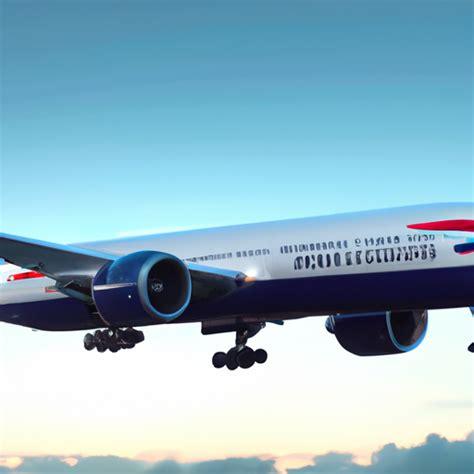
British Airways has experienced two separate technical incidents involving its aging Boeing 777-200ER fleet within just two days, with both aircraft forced to return to London Heathrow Airport after departing on US-bound services. The incidents involved flights heading to Baltimore and New York, highlighting the operational challenges airlines face when maintaining older widebody aircraft that remain essential parts of long-haul networks.
The two aircraft, registrations G-YMMH and G-RAES, are among the oldest Boeing 777s still operating for the British flag carrier. Both jets are more than 25 years old, with G-RAES approaching three decades of service. Although the Boeing 777 has built a strong reputation for reliability, aging aircraft require increasingly careful maintenance management as components experience greater wear over decades of operation.
The turnbacks were carried out as precautionary decisions by flight crews after technical problems raised concerns about completing long overwater flights safely. Neither incident resulted in injuries, and both aircraft returned to Heathrow without further complications. However, the disruptions caused cancellations, passenger rebooking, and additional accommodation arrangements.
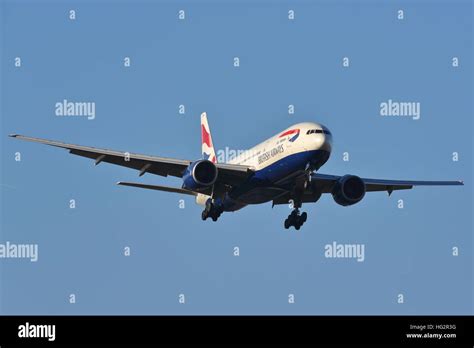
British Airways Boeing 777 Returns From Baltimore Flight After Technical Alert
The first disruption occurred on British Airways flight BA229, scheduled to operate from London Heathrow to Baltimore/Washington International Airport. The Boeing 777-200ER departed Heathrow on July 9, 2026, after a delayed departure and climbed toward its planned cruising altitude across the Atlantic route.
Approximately one hour into the flight, while the aircraft was cruising at around 34,000 feet over Ireland, the crew received an unspecified technical alert. Because the aircraft was preparing for a long transatlantic crossing, the pilots decided that returning to London was the safest option rather than continuing toward the United States.
Since the aircraft was carrying a significant amount of fuel for the long journey, the Boeing 777 needed to reduce its weight before landing. The aircraft spent additional time burning or dumping fuel before safely returning to Heathrow approximately two hours after departure.
The aircraft involved, G-YMMH, entered British Airways service in October 2000 and has accumulated nearly 26 years of operations. The aircraft features a three-class cabin layout with Club World business class, World Traveller Plus premium economy, and World Traveller economy seating. Following the incident, British Airways removed the aircraft from service so engineering teams could investigate the issue.
Second Boeing 777 Turnback Follows New York JFK Service
Only one day later, another British Airways Boeing 777-200ER experienced a similar operational disruption. Flight BA183, scheduled to fly from London Heathrow to New York John F. Kennedy International Airport, returned to the UK shortly after departure.
The aircraft, registered G-RAES, encountered a technical issue while crossing the Irish Sea. After reaching approximately 20,000 feet during the initial climb, the aircraft did not continue normally toward its planned route. The crew later adjusted the altitude but ultimately decided that returning to Heathrow was the appropriate course of action.
G-RAES landed safely back at London roughly two hours after departure. Passengers were informed that the flight would be canceled and were transferred to alternative services.
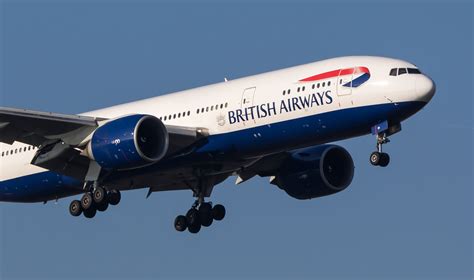
The two incidents occurred within a short period, but British Airways has not confirmed whether they were connected. While separate technical faults can occur across any aircraft fleet, repeated events involving similar aircraft types often draw attention to fleet age, maintenance demands, and replacement schedules.
Aging Boeing 777 Fleet Approaches Retirement Phase
British Airways was the launch customer for the Boeing 777-200ER, introducing the aircraft type into commercial service during the 1990s. The aircraft became a key part of the airline’s long-haul strategy because of its range, efficiency, and passenger capacity.
Today, however, many of the airline’s earliest Boeing 777 models are entering the final stages of their operational lives. G-YMMH has more than 25 years of service, while G-RAES has been flying for approximately 29 years. Their continued operation reflects the careful balance airlines must maintain between maximizing aircraft value and managing the costs of older fleets.
Older aircraft are not automatically unreliable, as many Boeing 777s worldwide continue operating successfully after decades of service. However, maintaining them requires detailed inspections, replacement of aging components, and careful engineering oversight to ensure they remain suitable for demanding international routes.
British Airways has already begun transitioning toward newer-generation aircraft, including the Boeing 787 Dreamliner, Boeing 777-9, and Airbus A350. These aircraft offer improved fuel efficiency, updated passenger cabins, and lower operating costs compared with earlier widebody models.
What The Incidents Mean For British Airways Operations
The two Boeing 777 turnbacks demonstrate the importance of operational flexibility in global aviation. When aircraft experience technical concerns, especially on routes crossing oceans, airlines must prioritize safety over schedule performance.
For passengers, the incidents caused inconvenience but also showed the effectiveness of modern aviation safety procedures. Both crews made conservative decisions, returned safely, and allowed maintenance teams to examine the aircraft before further flights.
As British Airways continues modernizing its fleet, older Boeing 777 aircraft will gradually become less common. Until retirement decisions are finalized, these veteran widebodies will continue playing an important role in connecting London with major destinations across North America and beyond.