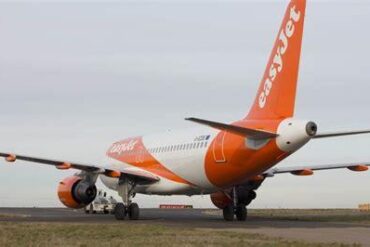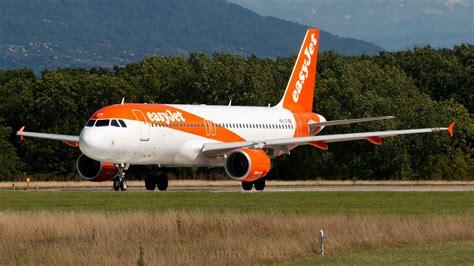
On June 16, 2025, a routine easyJet flight from Geneva to Edinburgh faced an unexpected turn of events when it encountered a bird strike shortly after takeoff. This incident occurred during the critical climb-out phase of the flight, leading to the activation of emergency protocols by the flight crew. The swift decision to return to Geneva Airport not only ensured the safety of all passengers onboard but also highlighted the airline’s commitment to operational safety amid increasingly frequent mid-air challenges.
As the aircraft ascended, the sudden impact with a bird created immediate technical irregularities that demanded quick assessment and action from the pilots. Recognizing the potential risks involved, the crew promptly initiated their emergency procedures, ultimately deciding that returning to the departure airport was the most prudent course of action. Approximately 40 minutes after takeoff, the aircraft landed safely back in Geneva, with the crew maintaining a calm demeanor throughout the process, providing reassurance to passengers.
Fortunately, no injuries were reported during this incident, underscoring the effectiveness of easyJet’s safety protocols. Upon landing, ground staff were prepared to assist the affected travelers, facilitating a smooth disembarkation process. easyJet later released a formal statement acknowledging the bird strike and confirming that the damage sustained was significant enough to warrant the cancellation of the flight. The airline emphasized that passenger safety was paramount, which led to the decision not to risk further complications through on-board troubleshooting or hasty repairs.
Following the incident, easyJet acted swiftly to support the passengers whose travel plans were disrupted. Ground staff and customer service teams worked diligently to provide rebooking options, ensuring that travelers were fully informed about their rights and available alternatives. These included rebooking on later flights, accommodation arrangements if necessary, and guidance on claims processing for the disruption. easyJet expressed regret for the inconvenience caused, reiterating its unwavering commitment to safety over scheduling concerns. Such transparency and proactive measures contributed to alleviating frustrations among passengers who had anticipated a straightforward journey to Scotland.
This latest incident adds to a concerning trend of mid-air emergencies experienced by easyJet. Notably, a previous flight from Paphos to Bristol encountered an unusual odor resembling smoke while cruising at high altitude, prompting the crew to initiate an emergency descent and divert the aircraft to Izmir for a precautionary landing. Emergency responders were on standby upon arrival, ensuring a safe evacuation for all passengers, who were unharmed. Additionally, another flight from Manchester to Enfidha faced a technical irregularity that necessitated a diversion to Paris Orly Airport. Although the specific nature of that issue was not disclosed, the crew executed standard emergency procedures effectively, prioritizing passenger safety and comfort.
The series of incidents involving easyJet highlight not only the airline’s operational resilience but also its adherence to industry-standard emergency protocols. In each scenario, the crew’s rapid response reflected a well-practiced commitment to safety, placing the wellbeing of passengers above commercial pressures. easyJet has been transparent in addressing the implications of these occurrences, reinforcing its position as a responsible carrier dedicated to ensuring safety.
These incidents occur amidst the peak European summer travel season, characterized by increased air traffic volumes and heightened operational demands on airlines. During this busy period, aircraft utilization rates surge, passenger loads approach maximum capacity, and flight crews face additional pressures. Environmental factors, such as heightened bird activity around airports, turbulence at high altitudes, and equipment wear and tear, contribute to a higher incidence of mid-air emergencies. Airlines must maintain vigilance and responsiveness in such conditions, where the margin for error is significantly reduced.
While bird strikes are not uncommon in aviation, they remain unpredictable and can pose serious risks, particularly during takeoff and landing phases. The incident involving the easyJet flight from Geneva illustrates how quickly a seemingly routine flight can be disrupted and underscores the importance of decisive action by flight crews. Though experiencing multiple mid-air emergencies within a short timeframe may raise eyebrows, industry experts assert that an airline’s response to these situations speaks volumes about its safety culture.
The manner in which easyJet has handled these recent events is indicative of a robust safety-first ethos that prioritizes the lives of its passengers over rigid adherence to schedules. The airline’s transparency, responsiveness, and strict adherence to emergency protocols have not only reinforced its credibility but also demonstrated that, even under pressure, its systems and crews are functioning as intended.
As investigations into each of these incidents continue, easyJet is likely to engage in thorough reviews of its operational procedures. These evaluations will inform enhancements to crew training, technical protocols, and customer communication practices moving forward. The ultimate goal is to fortify safety measures and enhance passenger experience, ensuring that such incidents are managed effectively and efficiently.
What began as a typical evening flight from Geneva to Edinburgh evolved into a striking reminder of the unpredictability of air travel. However, the quick and professional actions of easyJet’s crew transformed what could have been a major crisis into a well-handled precautionary measure. With multiple incidents occurring in recent weeks, the airline has been rigorously tested, consistently prioritizing safety above all else. As easyJet navigates the challenges of the bustling travel season, passengers can find reassurance in knowing that their safety remains the airline’s foremost concern.