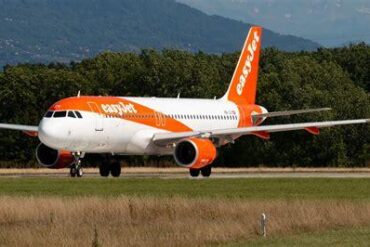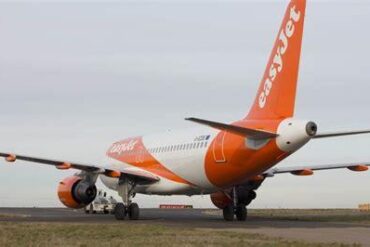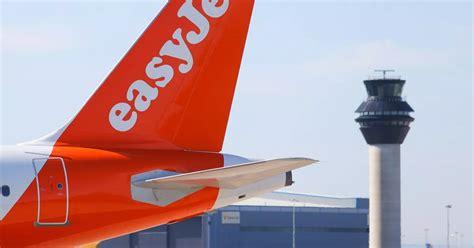
An easyJet flight traveling from Geneva to Edinburgh faced a dramatic turn of events on Sunday night, as a bird strike forced the aircraft to declare a mid-air emergency. The incident, which occurred shortly after takeoff, resulted in the flight returning to Geneva Airport just 40 minutes into its journey, leaving passengers and crew shaken but unharmed. This event not only highlights the unpredictable nature of air travel but also raises important questions about operational safety and the airline’s response protocols.
Mid-Flight Trouble Prompted Swift Action
As the easyJet flight took off from Geneva (GVA), it quickly encountered an unexpected challenge when a bird struck the aircraft. The impact was significant enough to prompt immediate technical concerns among the flight crew. Pilots are trained to handle emergencies, and within moments, they began assessing the aircraft’s condition. After a quick evaluation of the situation, the pilots determined that returning to the departure airport was the safest option available.
In a well-coordinated effort, the flight crew activated emergency procedures and communicated with air traffic control to secure a priority landing. The aircraft touched down safely at Geneva Airport, where emergency services stood ready to assist if needed. Fortunately, there were no injuries reported among the passengers or crew, which is a testament to the effective training and preparedness of easyJet’s personnel.
Safety First: Flight Cancelled After Return
Following the safe landing, easyJet swiftly addressed the implications of the bird strike. Upon inspection, maintenance crews discovered an aircraft malfunction caused by the incident that could not be resolved quickly. Prioritizing safety above all else, easyJet decided to cancel the flight instead of attempting a rapid turnaround or temporary repair. Passengers were informed of the cancellation and provided support for alternative travel arrangements. An easyJet spokesperson stated, “The decision to cancel the flight was made with the well-being of passengers and crew in mind. We understand the disruption this caused, and we’re committed to helping all affected customers reach their destinations as quickly as possible.”
A Pattern of Emergencies Raises Operational Questions
This latest incident is part of a troubling pattern for easyJet, which has experienced multiple mid-air emergencies within a very short timeframe. Just days prior to the bird strike, the airline dealt with two separate emergency landings, underscoring the need for scrutiny regarding operational safety. On June 14, an easyJet flight from Paphos International Airport to Bristol Airport was forced to land in Izmir due to a strange smoke-like odor reported in the cabin. Passengers and crew were evacuated without incident, and the source of the odor was investigated thoroughly. Again, easyJet demonstrated its commitment to safety by conducting meticulous inspections before allowing the aircraft back into service.
The very next day, another easyJet aircraft, this time en route from Manchester Airport to Enfidha-Hammamet International Airport in Tunisia, had to divert to Paris Orly Airport due to an abnormal cockpit indicator. Although the specific issue was not disclosed, the prompt diversion further emphasizes the airline’s adherence to safety protocols. Once again, emergency services were on standby, ensuring that all passengers remained safe throughout the ordeal.
Airline Maintains Focus on Safety Protocols
Despite these incidents, easyJet has garnered praise for its unwavering commitment to safety standards and its ability to execute emergency procedures efficiently. Each time, the airline’s crew members acted in accordance with established aviation protocols, ensuring passenger safety, minimizing panic, and maintaining clear communication with both control towers and passengers. Industry experts, such as aviation analyst Peter Donovan, have noted that while such emergencies can cause significant disruptions, they are not uncommon in the realm of commercial aviation. Donovan remarked, “Bird strikes, cockpit alerts, and cabin smells can each signal different levels of risk, but the unifying thread here is how promptly and professionally the flight crew reacted. That’s exactly what passengers should expect.”
Environmental and Operational Challenges
The spate of mid-June emergencies serves as a stark reminder of the numerous risks airlines must navigate daily. From environmental factors like bird strikes to technical anomalies that can arise mid-flight, the challenges faced by carriers like easyJet are manifold. Moreover, the airline industry operates under immense pressure to maintain tight schedules while ensuring that all aircraft are safe for operation. The recent incidents illustrate that even short-haul journeys can encounter unpredictable hurdles, necessitating highly trained crews and robust response strategies.
Disruptions such as these can create ripple effects across multiple flight paths, especially during peak travel seasons like summer. EasyJet, which operates a dense network of routes, must balance efficiency with the paramount need for passenger safety. The incidents serve as reminders that even in an age of advanced technology, human oversight and intervention remain crucial components of aviation safety.
Final Thoughts: Safety Over Schedules
While the series of emergency incidents may raise concerns among frequent travelers, aviation authorities stress that established safety procedures exist precisely for these scenarios. EasyJet’s swift responses, successful landings, and transparent communication reflect the airline’s commitment to passenger safety and operational integrity. As summer travel intensifies, it is likely that easyJet and other carriers will continue to face challenges related to high passenger volumes, heat-related stress on aircraft systems, and interactions with wildlife. For passengers, these events underscore the importance of trusting the extensive system of checks, rigorous training, and well-established protocols that define modern aviation.
In conclusion, while no one wants to experience mid-flight emergencies, the professionalism and preparedness demonstrated by easyJet’s crew serve as a reassuring reminder of the industry’s dedication to safety. As travel continues to rebound and expand, ongoing vigilance will be essential to navigating the complexities of air travel.