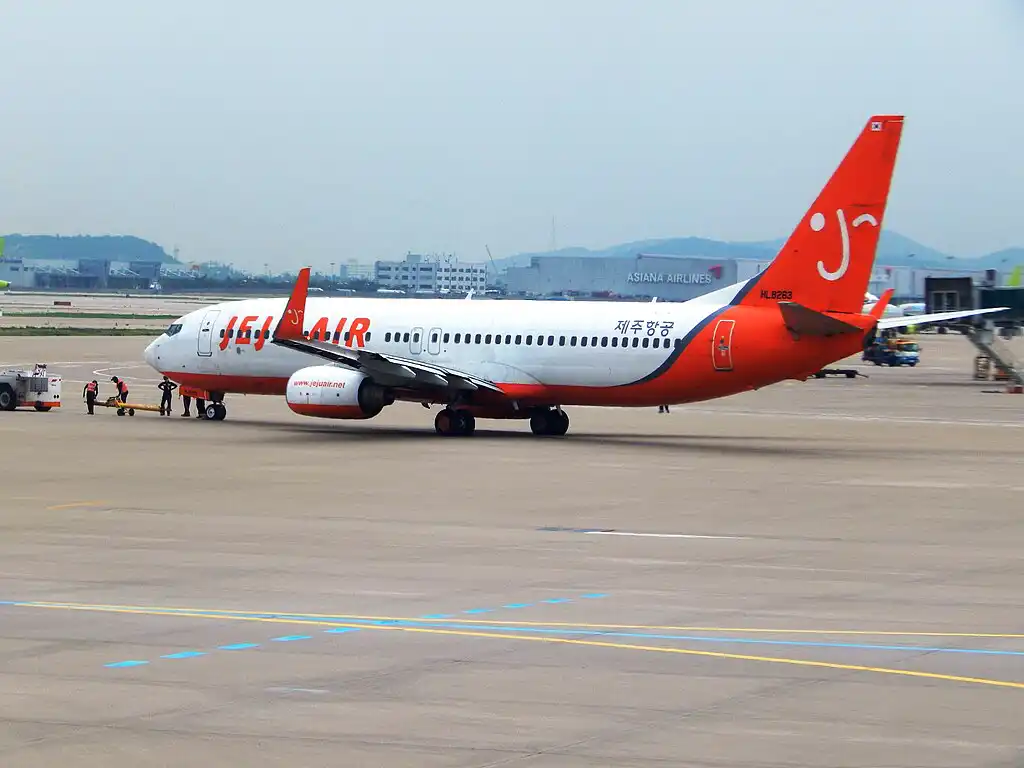
South Korea’s aviation community has been rocked by the interim report into the catastrophic Jeju Air Flight 7C2216 crash, which claimed 179 lives at Muan International Airport in December 2024. The findings, released by the Aviation and Railway Accident Investigation Board (ARAIB), highlight a chilling sequence of errors, the most damning being the shutdown of the aircraft’s functional engine after a bird strike.
The Boeing 737-800, registered HL8088, had been operating a routine flight from Bangkok to Muan on December 29, 2024, before disaster struck. A bird ingestion incident, initially blamed as the primary cause, has now been superseded by evidence pointing to cockpit mismanagement as the central factor.
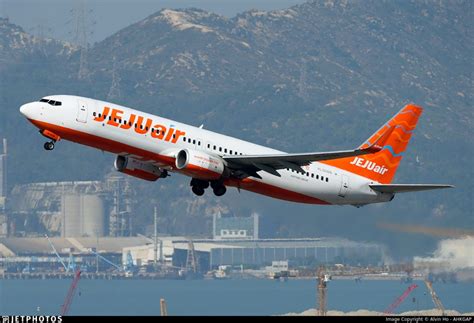
Bird Strike: Only One Engine Was Actually Damaged
Early investigations suggested that a dual engine failure caused by Baikal teal bird ingestion had crippled the aircraft. Indeed, DNA from this East Asian duck species was found in both engines. However, after the engines were sent to France for forensic analysis in March 2025, investigators uncovered that only the right engine had suffered serious mechanical damage. The left engine, contrary to initial assumptions, remained operational and its electronic control systems were functioning normally until the shutdown.
This revelation shifted the investigative narrative sharply. According to cockpit voice recordings, the captain ordered the shutdown of the damaged engine number two (right engine). However, under extreme pressure and situational overload, the pilot pulled the fuel cutoff switch for the left engine instead, mistakenly deactivating the only operable engine. The subsequent activation of the fire extinguisher permanently disabled the left engine’s restart capability, leading to a complete and irreversible loss of power.
System Collapse: The Consequences of Engine Shutdown
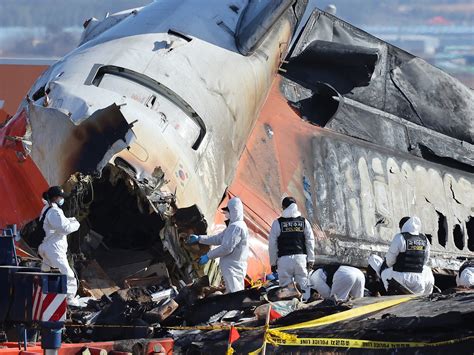
The erroneous shutdown resulted in more than just a loss of thrust. It stripped the aircraft of its electrical power, disabling critical onboard safety systems, including the black boxes, landing gear deployment systems, and essential instrumentation. As investigators confirmed, this catastrophic systems failure left the pilots flying virtually blind in the final moments.
When the aircraft attempted its emergency descent into Muan International Airport, it did so at high speed, without landing gear deployed, and lacking critical navigational aids. The Boeing 737-800 skidded across the runway and collided with a concrete berm near the airport’s instrument landing system antenna, erupting in flames. Of the 181 people onboard, only two survived.
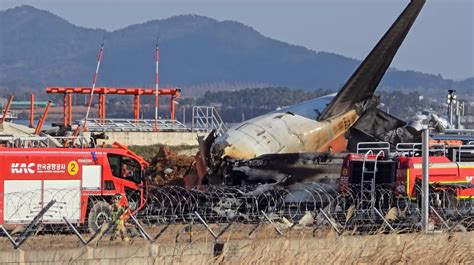
Deviations from Standard Emergency Procedures
Further investigative scrutiny has revealed that flight crew actions prior to the crash were inconsistent with standard emergency handling protocols. Following the bird strike, rather than maintaining the established approach trajectory, the crew executed an unplanned climb, followed by a sequence of irregular maneuvers. They then attempted to land from the opposite direction on the same runway — a decision now under intense examination.
These procedural deviations, combined with the incorrect engine shutdown, are believed to have compounded the disaster. The investigators are also probing whether training gaps, systemic issues within Jeju Air’s operational protocols, or fatigue may have contributed to the crew’s breakdown in decision-making.
Transparency Crisis: Families and Pilots’ Union Outraged
The release of the interim report has ignited furious backlash from both the victims’ families and the Jeju Air pilots’ union. The union denounced the findings as a “malicious framing”, arguing that the report unfairly singles out the flight crew while ignoring systemic failures. One of the most damning accusations revolves around the concrete berm’s presence near the runway, which many argue should never have been positioned in the aircraft’s path.
Victims’ families, represented by legal counsel, have expressed frustration over being denied access to critical data, including the flight data recorder and cockpit voice recordings. They argue that the ARAIB’s refusal to disclose full evidence amounts to a breach of transparency and accountability.
At the scheduled press briefing over the weekend, emotions boiled over. Family representatives demanded the event’s cancellation, which resulted in the withdrawal of the official press release and the abrupt scrapping of the public announcement. This episode has deepened mistrust in the investigative process.

Government Response and Nationwide Review
In light of the Jeju Air disaster, the South Korean government has ordered an urgent review of emergency landing protocols and airport infrastructure standards across the nation’s airports. The presence of concrete hazards near active runways is under particular scrutiny, with aviation experts calling for immediate audits and removal of non-frangible structures.
Meanwhile, airlines operating within South Korea are being directed to reassess pilot training standards, with renewed emphasis on crisis management, systems knowledge, and error recovery protocols. Aviation safety watchdogs are also urging mandatory retraining programs focused on handling engine failures and complex emergency scenarios.
Awaiting the Final Report: Critical Questions Remain
With the final investigation report due in 2026, several pivotal questions hang unresolved:
- Why did the flight crew deviate from standard procedures post bird strike?
- Were Jeju Air’s pilot training protocols adequate in preparing the crew for dual engine failure scenarios?
- Why was a concrete berm permitted within the aircraft’s landing trajectory?
- Did cockpit resource management failures contribute to the fatal misstep?
Until these questions are answered definitively, the Jeju Air crash will remain not only a tragedy of lost lives but a symbol of potential systemic vulnerabilities in South Korean civil aviation.
The ARAIB’s final report is expected to carry significant weight, both for regulatory reforms and potential legal proceedings against Jeju Air and relevant airport authorities. For now, families of the victims and the global aviation community wait anxiously, seeking closure and accountability.
Conclusion: A Tragedy Defined by Human Error and Systemic Failures
The interim report’s grim revelations have transformed perceptions of the Jeju Air disaster. No longer viewed as a simple case of mechanical failure triggered by nature, the crash now stands as a haunting case study in human error, procedural failure, and possible systemic oversight. As the final stages of the investigation unfold, aviation professionals worldwide will be closely monitoring the conclusions, hoping for lessons that might prevent such a disaster from ever repeating.