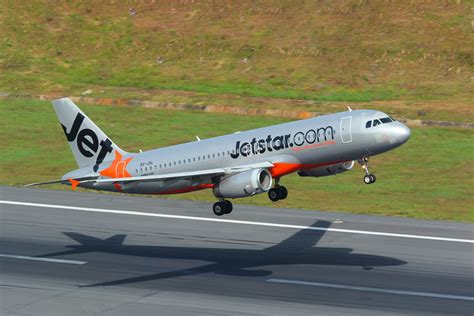
Singapore’s once-thriving budget carrier Jetstar Asia is preparing to cease operations permanently at the end of July 2025, marking the end of a two-decade run in the competitive Asian low-cost airline market. The airline’s decision comes amid intensifying financial strain, compounded by surging operational costs, escalating airport fees, and an increasingly saturated regional airline market. The closure will result in more than 500 employees being laid off, and the airline’s 16 routes will be retired, affecting thousands of travelers who booked flights beyond the closure date.
The Collapse of a 20-Year Budget Travel Pioneer
Established in 2004, Jetstar Asia was envisioned as a strategic expansion by Qantas Group into the then-booming Asian budget travel market. With Singapore-based Westbrook Investments holding a 51% stake and Qantas owning the remainder, the airline initially carved out a space by offering affordable flights across Southeast Asia, linking Singapore to hubs in Malaysia, Indonesia, Thailand, and the Philippines. For many, Jetstar Asia was synonymous with affordable and accessible air travel in a region known for its fragmented air transport infrastructure.
Over the past two decades, the carrier was often praised for its efficient service, reliable scheduling, and low fares, and was an early player in popularizing short-haul regional travel among budget-conscious flyers. Yet even a strong legacy and brand goodwill could not shield it from the mounting economic headwinds that have plagued the airline sector in the post-pandemic era.
Mounting Costs and Competitive Pressures
According to Qantas Group Chief Executive Vanessa Hudson, Jetstar Asia has been grappling with a 200% increase in supplier costs, a figure that starkly illustrates the airline’s untenable cost structure. While the airline has operated on tight margins for years—a characteristic of most budget carriers—the post-pandemic rebound has been far from kind. Key suppliers and airport operators across Asia have implemented substantial price hikes, cutting into Jetstar Asia’s already-thin profit margins.
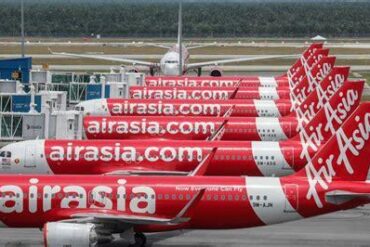
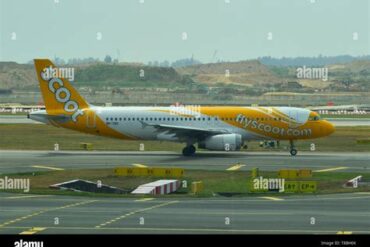
On top of these cost pressures, Jetstar Asia has had to contend with fierce competition from well-capitalized regional carriers like AirAsia, Scoot (a Singapore Airlines subsidiary), and Cebu Pacific, all of whom have aggressively expanded their regional networks while keeping fares competitive. These players have succeeded in capturing market share, particularly on high-demand routes between Singapore and neighboring countries, undercutting Jetstar Asia on both price and availability.
Refunds and Flight Disruptions for Thousands
As Jetstar Asia winds down, the airline has pledged to provide full refunds to all passengers whose flights are cancelled due to the closure. Travellers holding tickets for dates after 31 July will be contacted directly by Jetstar Asia. In some cases, passengers may be rebooked on alternative flights operated by the Qantas Group, though such rebookings are expected to be limited by logistical capacity.
Those who booked tickets through third-party platforms or travel agents are advised to liaise directly with their booking provider, as Jetstar Asia’s refund process may not cover intermediary transactions. The airline emphasized that communications with affected customers will be rolled out progressively over the next several weeks to ensure clarity and fairness.
Strategic Impact on the Qantas Group
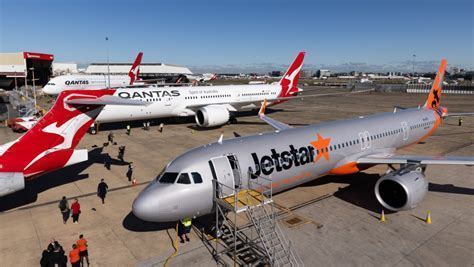
Despite the emotional toll and brand damage the closure may inflict, Qantas appears poised to benefit financially from the move. By shuttering Jetstar Asia, the company will unlock AUD 500 million (approximately USD 325.9 million) in capital, which Qantas has stated will be reinvested into fleet renewal and operational enhancements across its mainline and other Jetstar entities. Thirteen aircraft from the Jetstar Asia fleet will be redeployed on domestic and trans-Tasman routes across Australia and New Zealand, aligning with Qantas’ broader strategy to bolster its short-haul offerings closer to home.
According to Stephanie Tully, Jetstar Group’s CEO, “We have an exceptional team who provide world-leading customer service and best-in-class operational performance, and our focus is on supporting them through this process and helping them to find new roles in the industry.”
Employee Fallout and Industry Sentiment
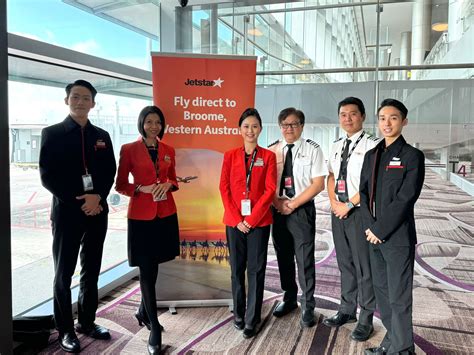
The announcement has cast a pall over Jetstar Asia’s workforce, with over 500 staff facing redundancy. Affected employees will receive redundancy packages, and Jetstar has promised to facilitate job placements in the broader aviation sector. The airline’s staff have long been recognized for their high service standards, and the news has triggered an outpouring of public support.
On social media, many former passengers and fans expressed their dismay. One user wrote on Jetstar Asia’s official Facebook page: “Very saddened to hear this news about a very warm, efficient, wonderful airline.” Another user remarked, “Thank you Jetstar Asia for opening up and popularizing the budget travel market.” The sentiments echo the company’s once-vital role in shaping Asia’s affordable travel revolution.
Jetstar Asia’s Decline: A Broader Industry Lesson
The airline’s upcoming closure underscores a larger shift within the global aviation industry, especially for low-cost carriers (LCCs) in post-pandemic Asia. The LCC model thrives on ultra-efficient operations, low airport overheads, and high-volume traffic, all of which have been severely disrupted since 2020. Pandemic-era travel restrictions were followed by delayed infrastructure reopenings, and volatile fuel costs, while regional inflation has kept costs high even as consumer demand has gradually returned.
Jetstar Asia’s failure to adapt to these compounding pressures, especially compared to more agile or better-funded competitors, illustrates the fragile economics of budget aviation in this era. Additionally, local government subsidies, airport incentives, and geopolitical logistics—factors outside a carrier’s direct control—have played outsized roles in determining post-COVID airline survivability.
What Happens to Other Jetstar Operations?
Despite the Singapore-based carrier’s demise, Jetstar’s global brand will remain intact. Jetstar Airways in Australia and Jetstar Japan will continue to operate as normal. These entities have separate management structures, distinct cost bases, and are unaffected by Jetstar Asia’s wind-down. In fact, Jetstar Airways will likely absorb a portion of the redeployed aircraft and manpower as Qantas looks to strengthen its presence on intra-Australia and Australia-to-Asia routes.
This move may also signal a shift in Qantas’ regional strategy, opting to focus on consolidated markets where the brand already enjoys strong demand and network efficiencies, rather than sustaining multiple smaller entities spread across complex jurisdictions.

Conclusion: The End of an Era, and the Start of a New Chapter
Jetstar Asia’s closure marks the end of an iconic player in Asia’s aviation landscape. For many Southeast Asian travelers, the airline democratized regional travel, making flights more accessible to students, backpackers, small business owners, and families. Though the Jetstar brand lives on elsewhere, its absence in Singapore will leave a palpable void.
Yet, from a business standpoint, Qantas’ decision reflects a pragmatic pivot in an industry where profitability is razor-thin and adaptability is key. As the airline world hurtles toward a post-pandemic reset, the Jetstar Asia story serves as a cautionary tale—but also as a reflection of broader industry realignments that continue to reshape global air travel.
The coming weeks will test Qantas’ ability to handle customer redress, employee support, and network realignment with precision. If managed well, it could reinforce the resilience of the Jetstar brand. If mismanaged, it risks tarnishing the goodwill built over two decades by Jetstar Asia’s dedicated teams and loyal customers.